



Antique Hall Lamp Stand
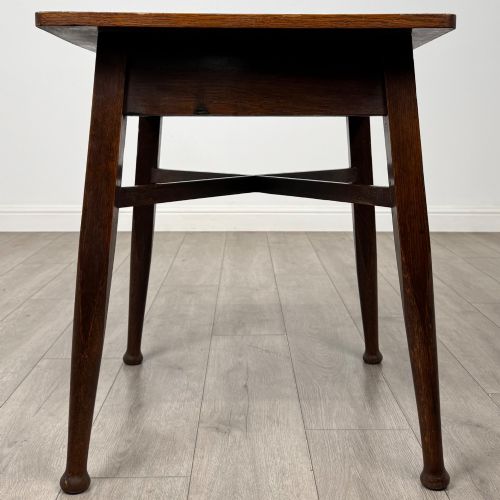
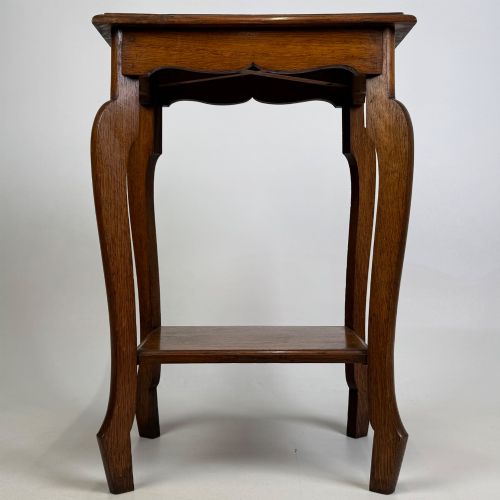
An antique hall lamp stand provides a sturdy surface for illumination in an entryway, taking the form of occasional and side tables found across domestic interiors.
Antique Hall Lamp Stand
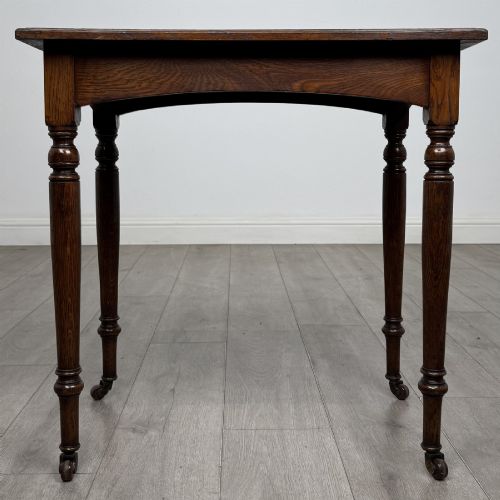
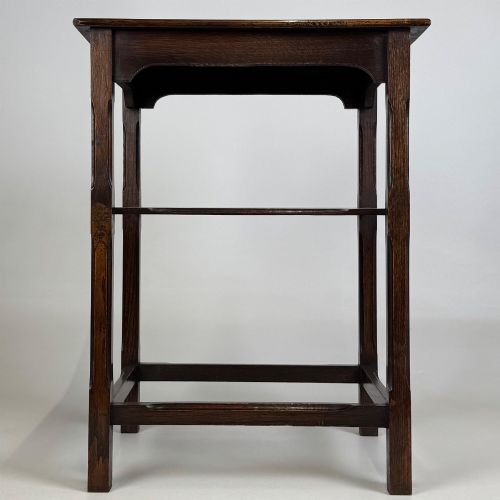
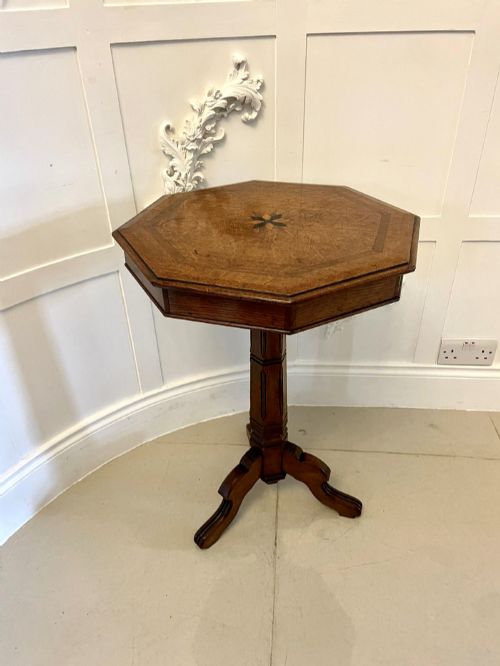
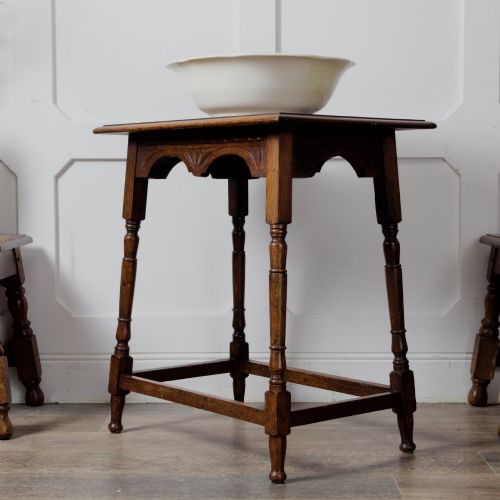
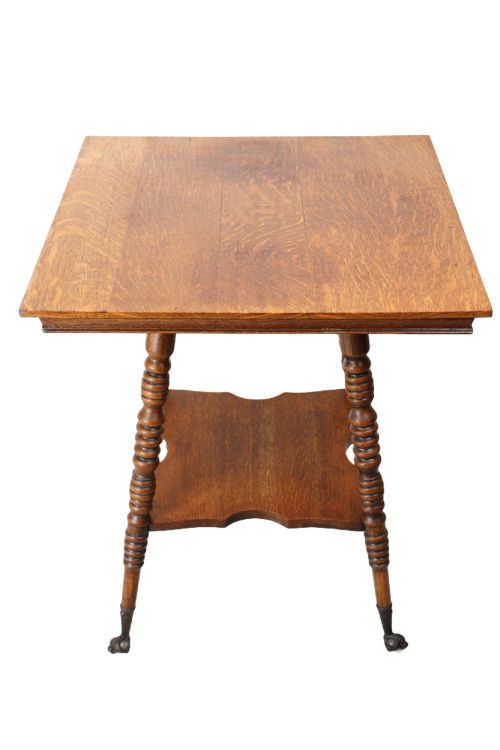
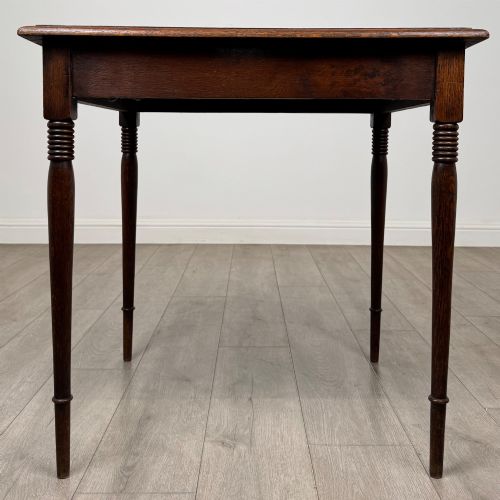
When searching for an antique hall lamp stand, buyers encounter compact occasional furniture designed to hold a light source near an entrance or corridor. The versions most commonly met on this page span the Victorian, Edwardian, and early twentieth-century periods, constructed primarily as side tables, occasional tables, and console tables.
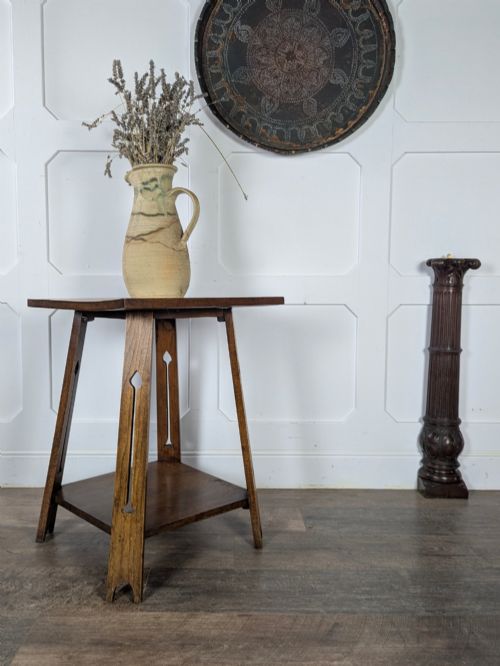
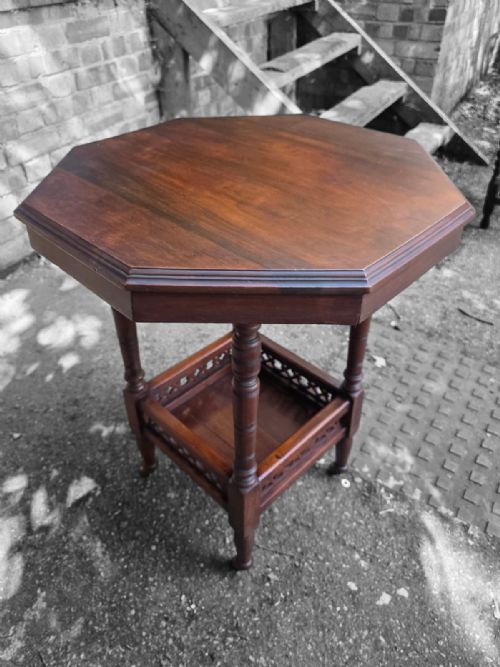
The architectural styles represented range from robust Gothic Revival and Jacobean Revival to linear Arts and Crafts and clean Edwardian designs. Many pieces utilise straightforward square, rectangular, or octagonal tops, while others employ corner configurations suited to restricted hallway spaces.
Materials and construction
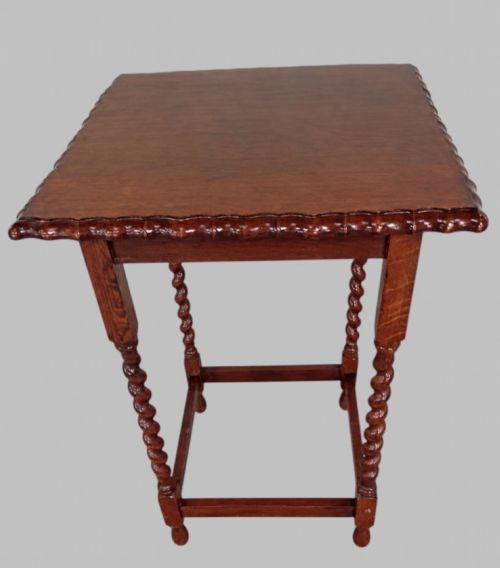
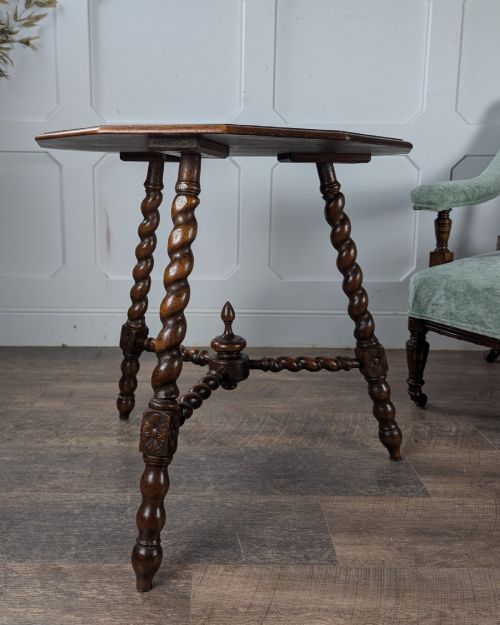
Cabinet makers relied heavily on native hardwoods such as oak, mahogany, and walnut, often employing solid timber alongside satinwood, boxwood, and fruitwood for inlay and decorative contrast. Turned elements such as barley twist legs appear frequently alongside carved panels and smooth veneered surfaces.
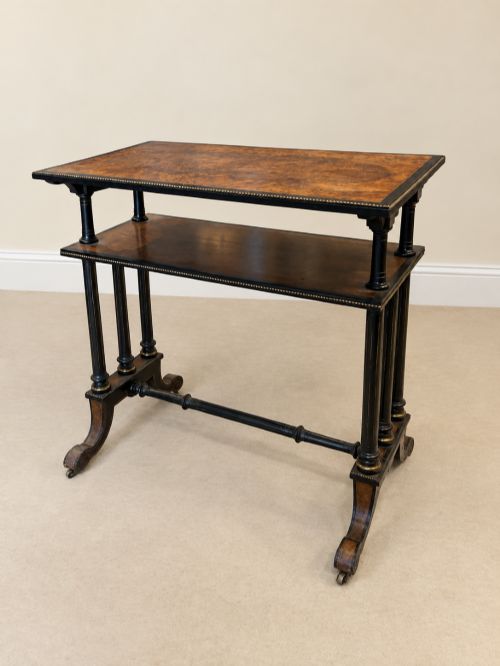
Joinery techniques visible across the period include traditional mortise and tenon joints for stability, hand-carved ornamentation, and contrasting ebonised finishes. Brass hardware and mounts occur on specific styles, notably within the Arts and Crafts and Art Nouveau selections.
Antique Hall Lamp Stand Retail Price Guide 2026
Typical asking prices for hall lamp stand among the pieces listed under this phrase on Sellingantiques today, from the lower quarter to the upper quarter. They describe what is for sale here now, not the wider market.
Judging quality and craft
The distinction between standard utility items and finer examples lies in the crispness of the carving, the selection of timber grain, and the integrity of the structural joints. Superior pieces exhibit carefully matched veneers, balanced proportions, and substantial timber thickness rather than thin surface laminates.
Makers who observed specific design movements, such as the Arts and Crafts tradition or recognised workshops, demonstrate disciplined joinery and thoughtful proportion that elevate the piece beyond basic domestic utility.
Hindley and Sons·Liberty of London·William Birch·Liberty and Co·Fischel
The Antique Hall Lamp Stand Glossary
- Occasional table
- A small, movable table designed for a specific subsidiary purpose rather than central dining. These pieces can be positioned freely in hallways and parlours.
- Barley twist
- A decorative turning technique resembling a spiralling rope column. This form appears frequently on the legs of oak tables from the Victorian and Edwardian eras.
- Inlay
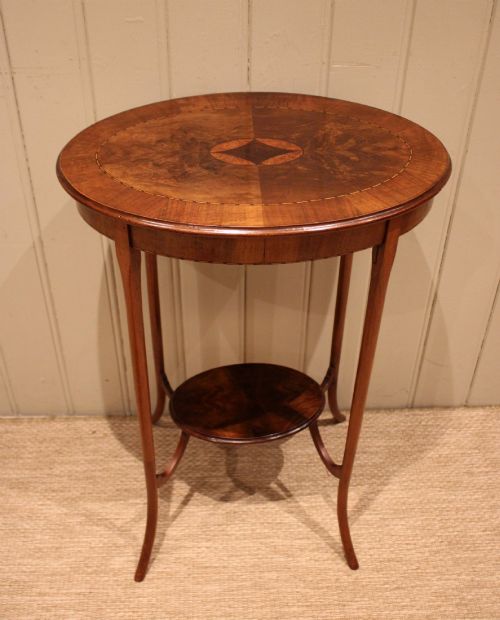
- A method of ornamenting a wooden surface by embedding pieces of contrasting wood, such as satinwood or boxwood. It creates geometric or floral patterns across the table top.
- Arts and Crafts
- A design movement prioritising visible handcraftsmanship, honest materials, and simple functional forms. It rejected heavy industrial ornamentation in favour of unpretentious timber construction.
- Ebonised
- Wood finished with a dark stain or paint to imitate ebony. This treatment was utilised during the nineteenth century to achieve a formal, high-contrast appearance.
Antique Hall Lamp Stand: Frequently Asked Questions
What is an antique hall lamp stand?
It is a compact table designed historically to support a lamp in a hallway or corridor. These pieces offer a stable surface near an entrance for illumination.
Today, they serve the same practical function while adding period character to narrow spaces where larger furniture proves too cumbersome.
Where should I place a small side table?
These tables suit hallways, entryways, and landings where a compact surface is needed for a lamp, keys, or small decorative items. Their modest footprints allow them to fit easily into corners.
They also function effectively beside seating in living rooms or studies as occasional resting points for books and lighting.
How do I identify an Edwardian table?
Edwardian tables generally date from the early twentieth century and often feature lighter timbers, subtle inlay work, and straightforward geometric forms. They reflect a shift toward airier domestic interiors.
By contrast, Victorian pieces tend to be heavier, utilising darker oak or mahogany with deeper carving and turned supports like barley twists.
What wood was commonly used?
Oak is the predominant timber found in these listings, appearing in both solid form and carved decorative variants. Mahogany and walnut also occur frequently, particularly in Edwardian and Victorian designs.
Secondary woods like satinwood, boxwood, and fruitwood are utilised for decorative banding and inlay details across table tops.