



Antique Hall Dresser Base
An antique hall dresser base is a robust, low-level surface built for daily service, offering generous storage and enduring utility for modern hallways.
Antique Hall Dresser Base
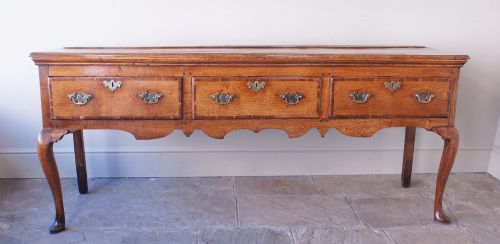
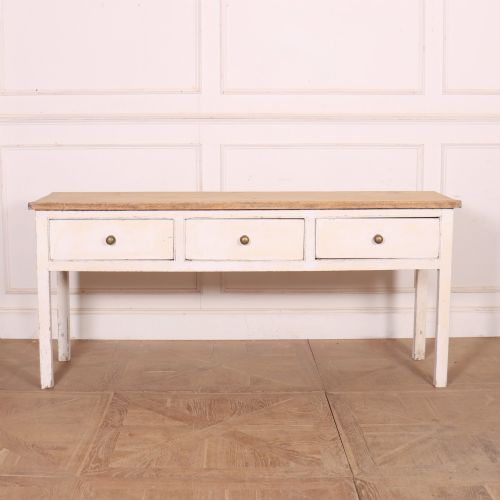
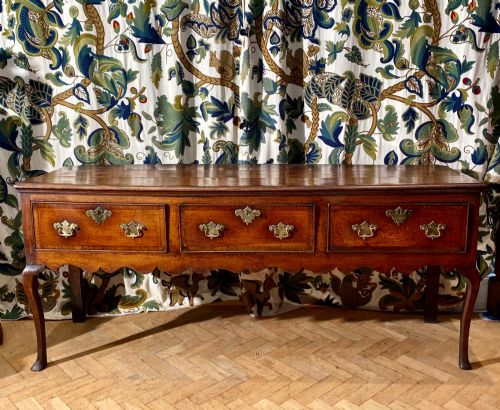
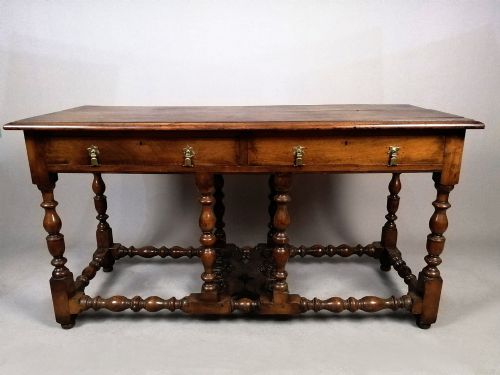
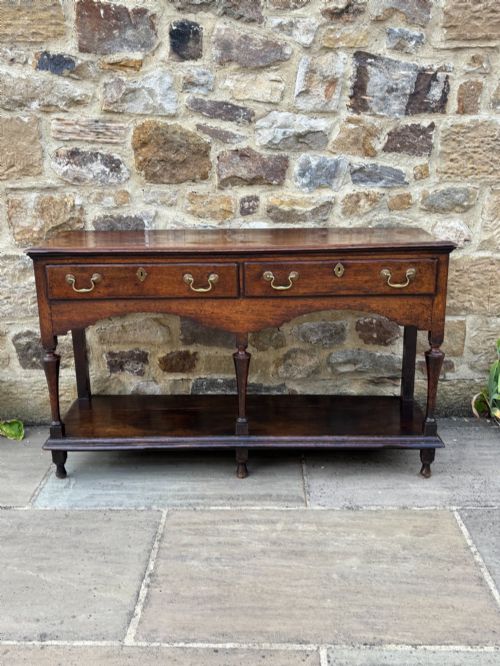
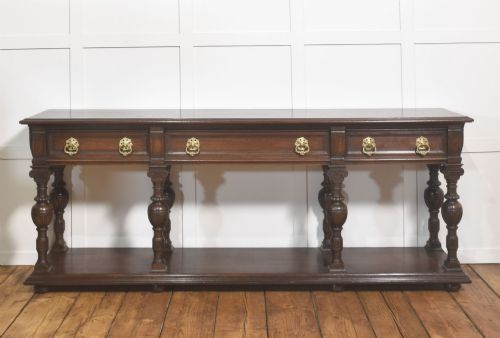
When you search for an antique hall dresser base, you encounter a sturdy utilitarian console designed for household storage and surface display. These pieces function as substantial side tables or low cupboards fitted with drawers, serving hallways and dining spaces alike.
The selections span centuries of cabinet-making, with 18th century and Georgian examples appearing alongside Victorian and Edwardian interpretations. Oak forms the primary structural material, complemented by pine, mahogany, and walnut across various regional workshop traditions.
How they were made
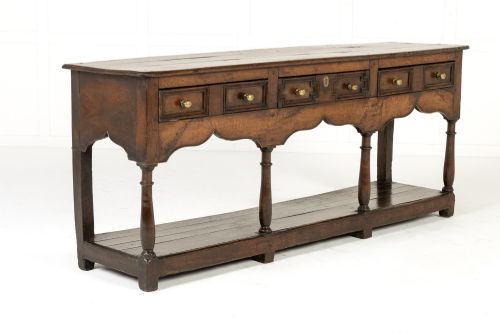
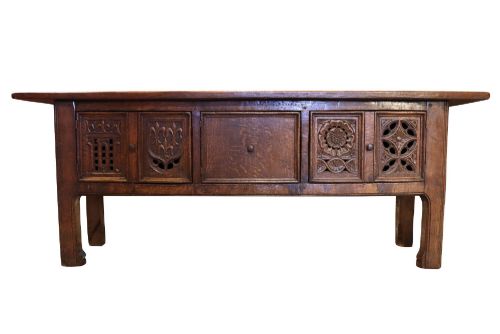
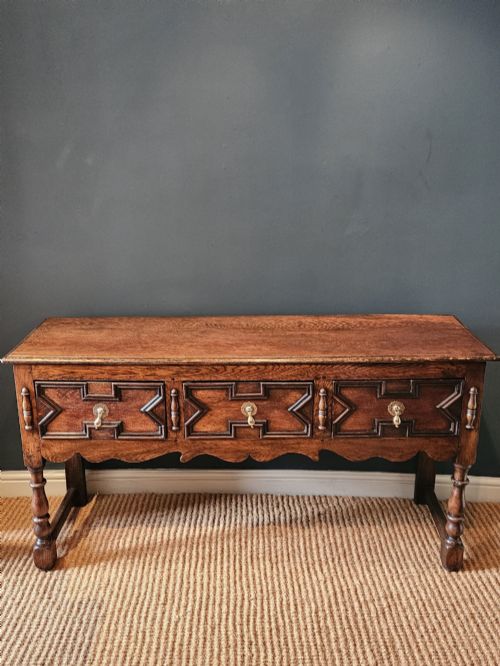
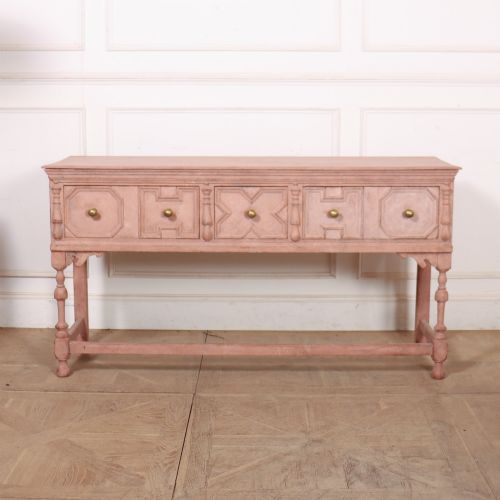
Cabinet-makers relied heavily on solid oak and pine, constructing carcases with traditional joinery that accommodated seasonal timber movement. Surfaces frequently received hand-carved geometric mouldings, raised panelling, or simple waxed finishes that enhanced the natural grain.
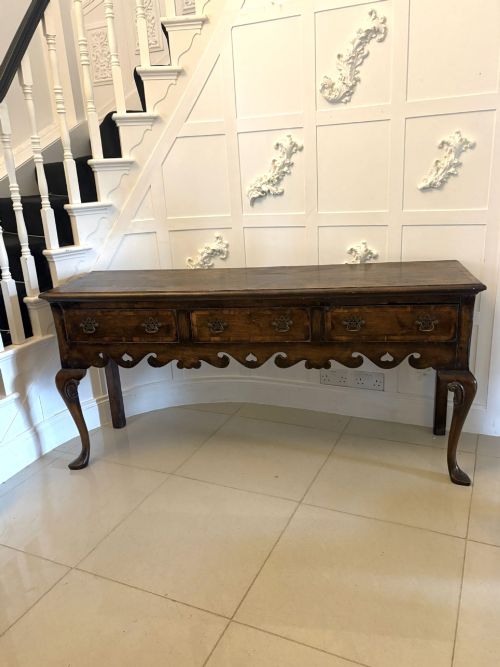
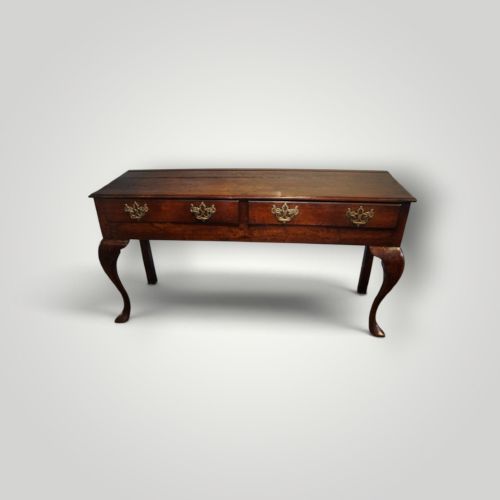
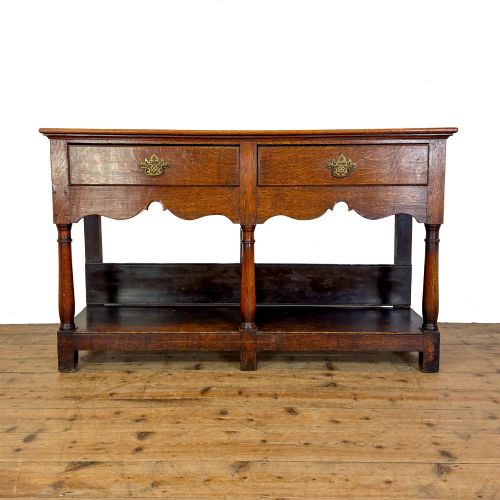
Hardware typically included brass drop handles and drawer pulls secured through pegged joints and dovetailing. Certain regional pieces incorporated open potboards beneath the main drawers for storing heavy crockery and domestic utensils.
Antique Hall Dresser Base Retail Price Guide 2026
Typical asking prices for hall dresser base among the pieces listed under this phrase on Sellingantiques today, from the lower quarter to the upper quarter. They describe what is for sale here now, not the wider market.
Several examples retain dog kennel enclosures beneath the central drawers, built specifically to house domestic hounds indoors.
What varies in quality
The standard of a dresser base rests on the selection of timber and the integrity of its structural framing. Pieces featuring dense, well-figured oak with original drawer linings and minimal timber replacement stand distinctly apart from heavily restored examples.
Proportion and execution define the upper tiers of craftsmanship. Fine mouldings, clean joinery, and unaltered historical brassware indicate superior workshop origin compared to utilitarian vernacular pieces.
The Antique Hall Dresser Base Glossary
- Potboard
- An open lower shelf fitted beneath a dresser base. This platform was traditionally used to store pots, pans, and serving dishes.
- Lowboy
- A small table with drawers, often standing on cabriole legs. These share similar proportions and functions with smaller dresser bases.
- Dovetail
- A traditional interlocking joint used to secure drawer corners. Fine, tight pins indicate skilled hand-cutting by the cabinet-maker.
- Chiffonier
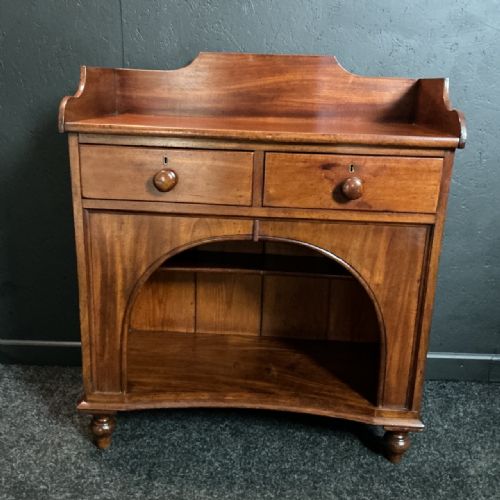
- A compact sideboard or low cupboard developed during the 19th century. They offer enclosed shelving and small drawer capacity suited to narrow hallways.
Antique Hall Dresser Base: Frequently Asked Questions
Where do I put an antique hall dresser base?
These pieces fit naturally in entrance halls, corridors, and dining rooms where surface space and storage are required. Their narrow proportions allow them to sit flush against walls without obstructing walkways.
They provide a practical drop-zone for everyday items while anchoring a hallway scheme with period character.
How do I date an oak dresser base?
Dating relies on examining construction methods, timber characteristics, and hardware fixings. Hand-cut dovetails, pegged joints, and regional moulding profiles point towards specific centuries.
Secondary woods inside drawers and the wear patterns on potboards offer further clues to a piece's age and origin.
Can I use a dresser base for daily storage?
These units were originally built for heavy domestic use and remain entirely practical for modern storage needs. Deep drawers and lower shelves accommodate shoes, linens, and household paraphernalia.
Routine maintenance involves simple waxing to protect the timber surfaces from daily wear.
What is the difference between a dresser base and a sideboard?
A dresser base traditionally originates from earlier vernacular or country house traditions, often featuring open potboards or simpler drawer arrangements. Sideboards developed later with more formal architectural styling and enclosed cabinetry.
Both serve similar functional roles in contemporary interiors as low storage consoles.