






Antique Green Crystal
Antique green crystal brings depth to a room through coloured glass and lead crystal formed into tableware, lighting and decorative objects.
Antique Green Crystal
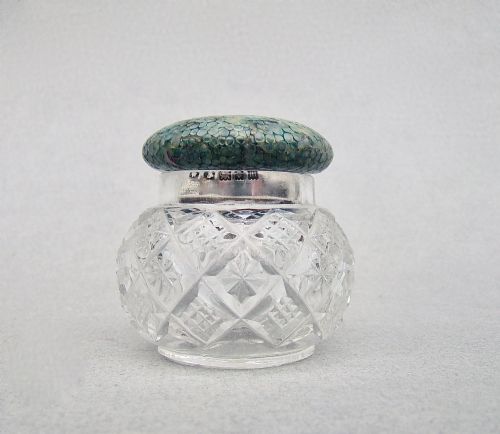
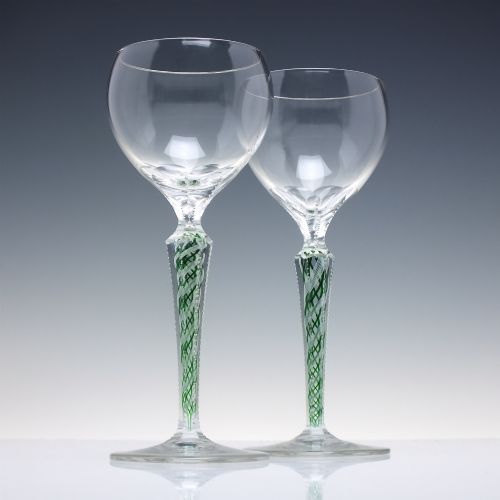
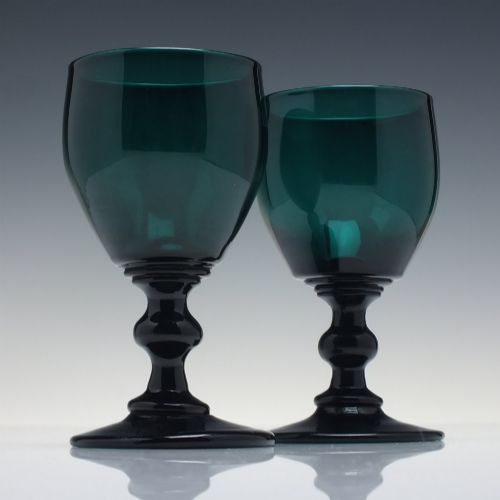
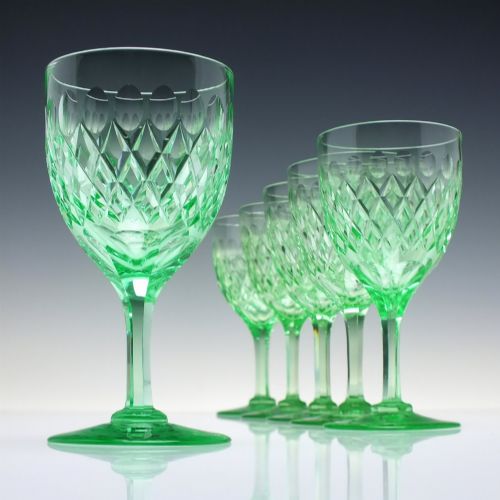
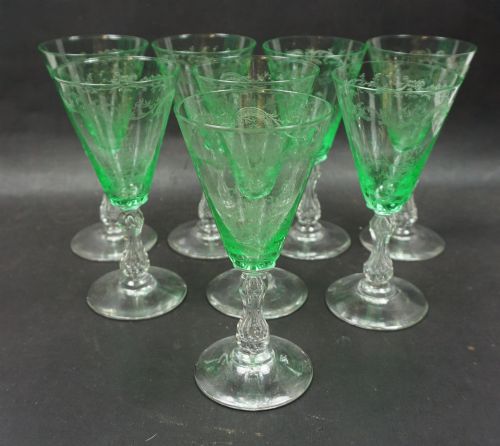
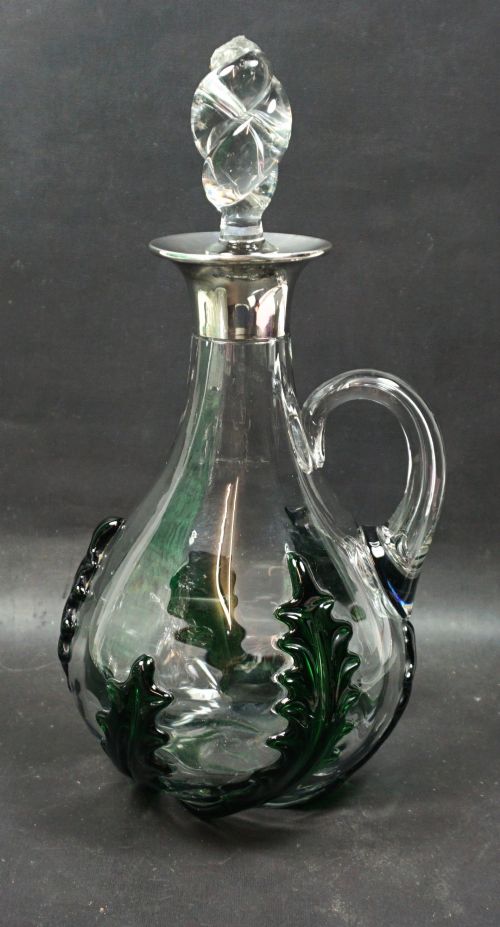
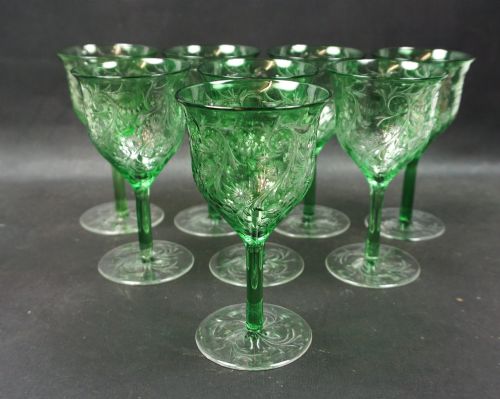
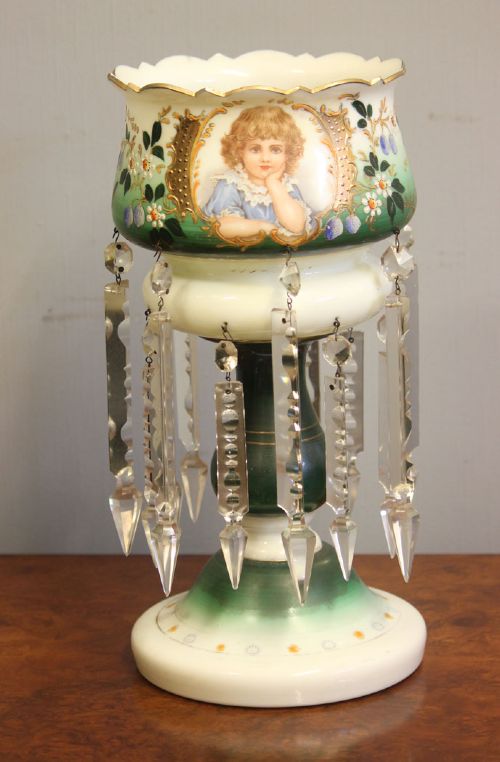
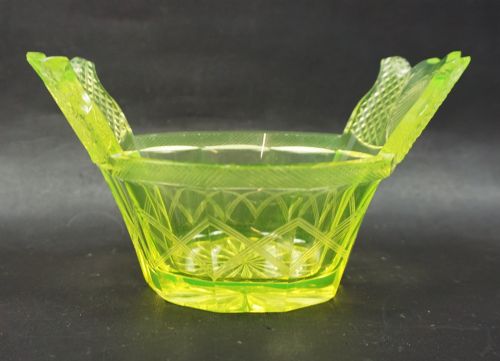
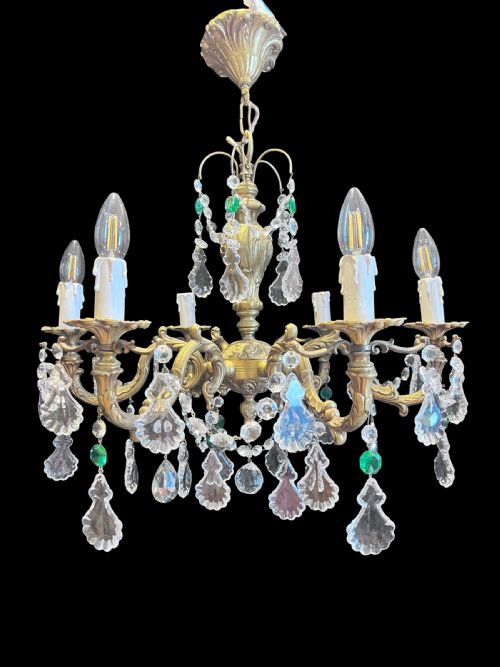
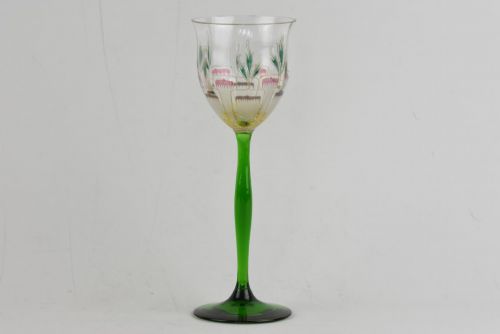
When you search for antique green crystal, you encounter a diverse range of objects spanning drinking vessels, mantel ornaments and lighting fixtures. The selections visible here include wine glasses, hock decanters, chandeliers, table lustres, perfume bottles and vases originating from periods like the Georgian era, the Victorian era and the Art Deco years.
Materials and production techniques
Makers utilised lead crystal, lead glass and standard glass combined with overlay techniques to achieve deep colour saturation. Overlay glass involves fusing a layer of green glass over a clear crystal base, allowing artisans to cut through the outer layer to reveal the contrasting transparent crystal beneath.
Decoration often involved enamel painting, floral enamelling and the application of gold leaf, brass mounts or sterling silver collars. Pieces from centres like Bohemia and Val Saint Lambert also display uranium content for fluorescence or moulded geometric facets characteristic of Art Deco design.
Antique Green Crystal Retail Price Guide 2026
Typical asking prices for green crystal among the pieces listed under this phrase on Sellingantiques today, from the lower quarter to the upper quarter. They describe what is for sale here now, not the wider market.
Some nineteenth-century glass dishes glow an intense neon green in sunlight because the makers accidentally added uranium to the melting pot.
Factors influencing quality
The precision of the glass cutting and the clarity of the underlying crystal dictate the refinement of individual pieces. Overlay work demonstrates superior craftsmanship when the transition between the green surface layer and clear crystal reveals sharp, clean lines without chipping or uneven thickness.
Design attribution to known makers or notable designers elevates the status of an object, as seen in signed works from factories such as Val Saint Lambert or Theresienthal. Furthermore, the intricacy of hand-painted enamel decoration or the inclusion of precious mountings such as gold leaf and silver adds distinction.
Baccarat·Theresienthal·Charles Graffart·Joseph Simon·Karl Palda·Stuart
The Antique Green Crystal Glossary
- Lead crystal
- Glass containing a substantial proportion of lead oxide, which increases the weight, refractive index and brilliance of the material. This composition allows for deeper and sharper cutting by the glass cutter.
- Overlay glass
- A glass-blowing technique where a gathering of clear crystal is covered with a thin layer of coloured glass, such as emerald or turquoise green. Artisans then cut away portions of the outer layer to create contrasting patterns.
- Mantle lustre
- A decorative ornamental vase or urn fitted with hanging glass prisms, traditionally placed on a fireplace mantelpiece. The prisms catch and refract ambient light.
- Hock glass
- A tall-stemmed wine glass traditionally used for German hock or white wine. These glasses frequently feature coloured bowls or stems.
- Uranium glass
- Glass coloured by the addition of uranium oxide, resulting in a distinct green hue that glows under ultraviolet light. This material enjoyed popularity during the nineteenth and early twentieth centuries.
Antique Green Crystal: Frequently Asked Questions
What is green overlay crystal?
Green overlay crystal consists of a clear crystal base covered by a distinct outer layer of green glass. Artisans cut patterns through the green layer to expose the clear glass underneath.
This technique creates high contrast and allows for intricate geometric or floral designs on vases, decanters and glassware.
How do I identify uranium glass?
Uranium glass displays a vivid yellow-green or green colour under natural light and emits a bright green fluorescence when exposed to ultraviolet light. The uranium oxide was added to the glass batch as a colouring agent.
Most pieces date from the nineteenth and early twentieth centuries, appearing in various decorative tableware forms.
What are mantel lustres used for?
Mantel lustres served as decorative ornamental centerpieces placed on fireplace mantelpieces during the Victorian period. Their primary function was to catch and reflect candlelight or daylight through suspended crystal prisms.
Pairs of these lustres were typically arranged alongside clocks or candelabras on formal mantel shelves.
How do I date antique glassware?
Dating relies on stylistic markers, manufacturing techniques, pontil marks and factory signatures where present. Georgian pieces often display rough pontil scars and heavier hand-blown characteristics, while Art Deco items show geometric mouldings and machine-polished facets.
Comparing forms to documented examples from makers such as Val Saint Lambert or Stuart helps narrow the production era.