



Antique Greek Bust
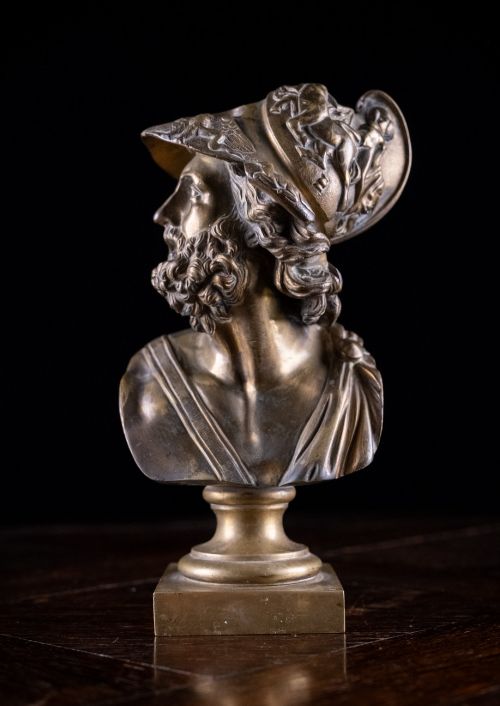
An antique greek bust brings classical mythology and antiquity straight into a room, offering timeless sculptural presence cast in bronze or carved in marble.
Antique Greek Bust
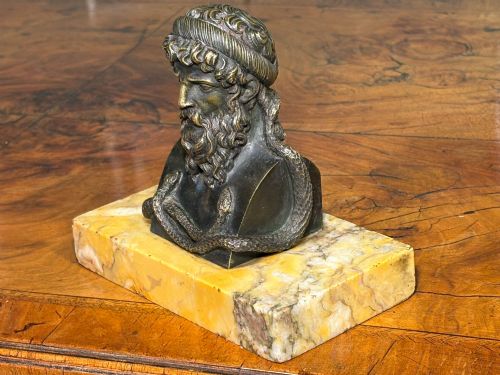
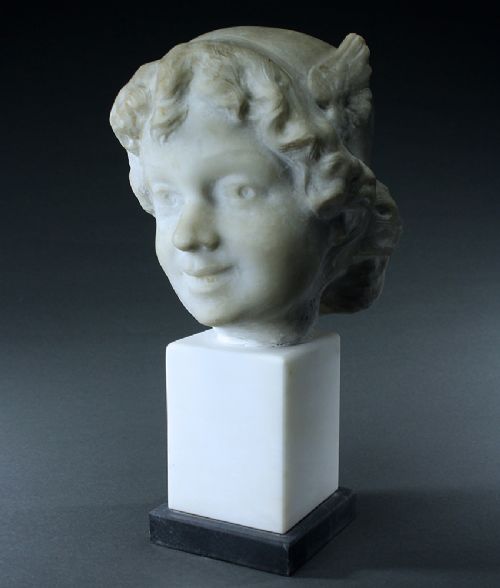
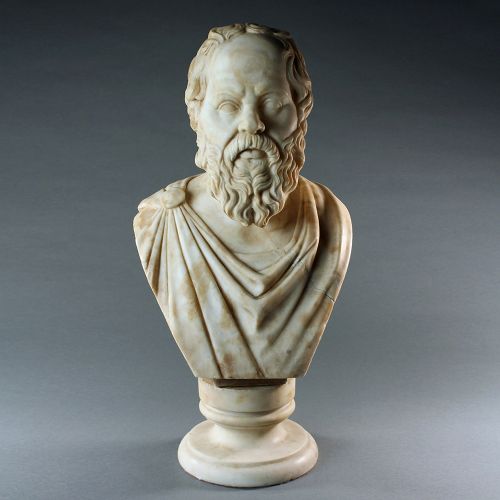
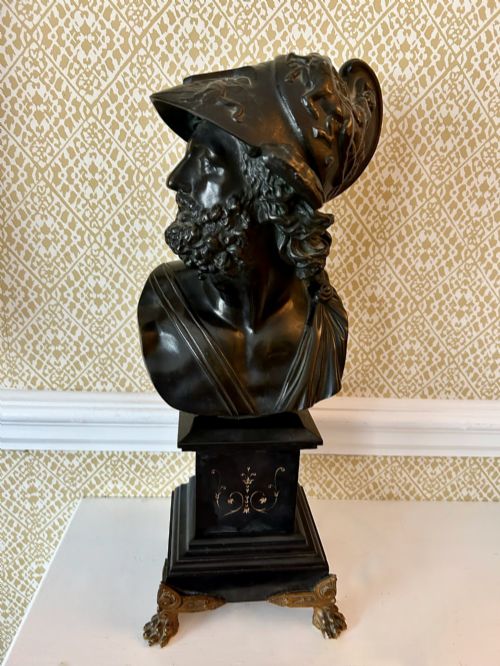
An antique greek bust captures classical figures, mythological deities, and ancient heroes in sculptural form. Collectors seeking an antique greek bust will most frequently encounter nineteenth-century Grand Tour souvenirs and neoclassical studies cast in bronze, patinated metal, or carved from marble.
The subjects range widely from mythological muses and classical philosophers to Homer, Ajax, and Apollo. These pieces reflect European travels to ancient sites, bringing classical antiquity directly into nineteenth-century studies and libraries.
Beyond standalone bronze and plaster sculptures, related miniature interpretations appear in wearable forms such as intaglio rings. Every example embodies nineteenth-century neoclassical revivalism and eighteenth-century Georgian craftsmanship.
Materials and construction
Bronze remains the primary casting material, often finished with verdigris patination or rich ormolu highlights. Artisans also utilised white marble, carved agate, and traditional plaster to render fine facial expressions and classical drapery.
Grand Tour workshops relied on lost-wax casting methods to replicate celebrated ancient marbles and bronzes found in Italian excavations. Intricate intaglios were hand-carved into hardstones like carnelian and agate to create wearable classical portraits in Georgian rings.
Antique Greek Bust Retail Price Guide 2026
Typical asking prices for greek bust among the pieces listed under this phrase on Sellingantiques today, from the lower quarter to the upper quarter. They describe what is for sale here now, not the wider market.
The documented object types range from substantial desk sculptures to Georgian intaglio rings and plaster portrait studies.
Assessing quality and execution
The depth and nuance of the surface patina dictate visual success, whether through natural verdigris accumulation or deliberate dark patination. Provenance and association with notable collections elevate specific nineteenth-century bronzes far above standard tourist souvenirs.
The Antique Greek Bust Glossary
- Grand Tour
- A cultural journey undertaken by wealthy young Europeans through France and Italy to study classical antiquities. These travels generated a demand for bronze and marble souvenir busts.
- Neoclassical
- An artistic movement drawing inspiration from the classical art and culture of ancient Greece and Rome. This style dominates nineteenth-century interpretations of mythological figures.
- Ormolu
- Gilded bronze ornamentation applied to furniture and decorative sculptures. The technique involves coating metal with a finely ground mercury and gold amalgam.
- Intaglio
- A gem or gemstone carved in concave relief so that an impression taken from it produces a raised image. Georgian rings frequently featured such carved hardstones depicting classical deities.
Antique Greek Bust: Frequently Asked Questions
How do you date nineteenth-century bronzes?
Dating relies on examining the casting technique, the quality of the surface patination, and any foundry marks or signatures present on the base. Nineteenth-century pieces often exhibit distinct verdigris or dark brown patination characteristic of period workshops.
Stylistic cues from the neoclassical revival also help distinguish nineteenth-century studio casts from later twentieth-century reproductions. Comparing the crispness of the chasing provides further chronological clarity.
Which mythological figures appear most often?
Common subjects include Olympian deities like Apollo and Zeus, alongside epic heroes such as Ajax and Menelaus. Philosophers, poets like Homer, and mythological figures like Hypnos and Erato also feature prominently.
These subjects reflect the classical education and literary interests of nineteenth-century collectors. Each figure carried specific cultural and symbolic weight in a domestic interior.
Where were these sculptures displayed?
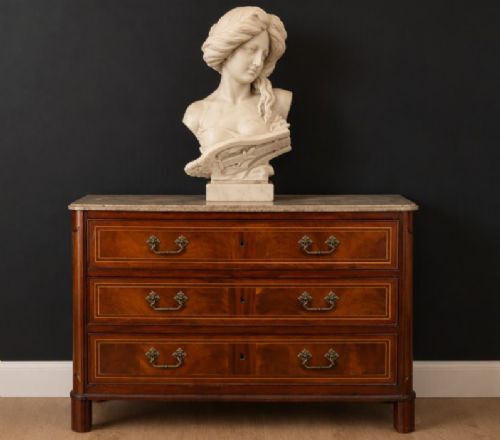
In the nineteenth century, these sculptures stood upon library tables, mantelpieces, and dedicated pedestals within neoclassical interiors. They signalled the owner's erudition and engagement with classical civilisation.
Today, they function well as focal points on desks, bookshelves, or sideboards. Their compact scale allows them to integrate easily into contemporary rooms.