



Antique Grate Insert
An antique grate insert brings character and period warmth to a room, offering the classic hearth furniture collectors seek for period fireplace restorations.
Antique Grate Insert
When you search for an antique grate insert, you are looking at functional metal hearth furniture designed to fit within an existing chimney opening or fireplace surround. The pieces gathered here span several distinct eras, most frequently appearing in Victorian, Regency, and Georgian forms alongside later Edwardian and early twentieth-century examples.
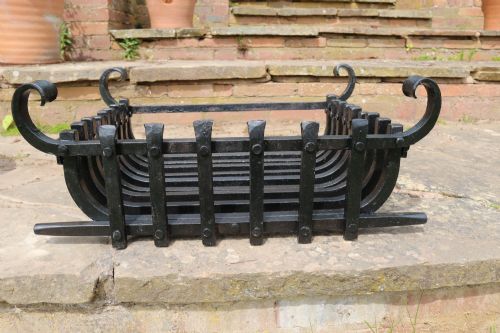
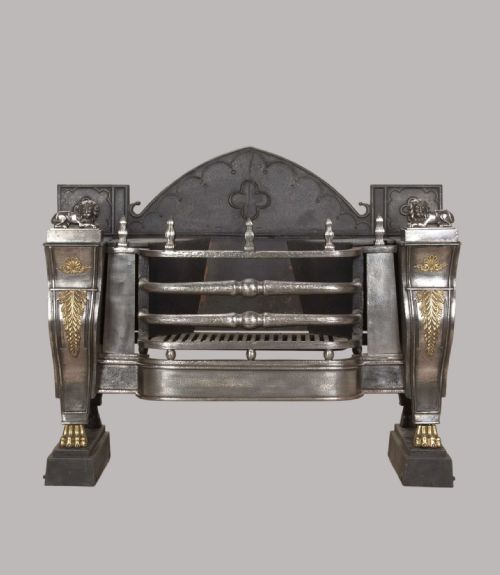
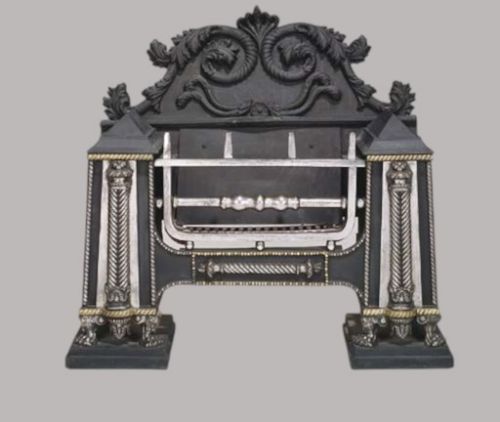
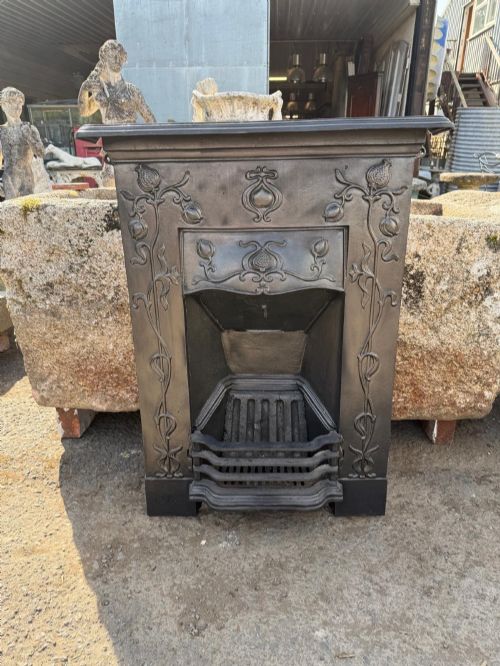
The selection ranges from hob grates and register grates to freestanding fire baskets, combination fireplaces, and miniature salesman samples. These items originate from English workshops and incorporate styles such as Adam, Neoclassical, Arts and Crafts, and Jacobean Revival.
Materials and construction methods
The primary material underpinning these items is cast iron, frequently paired with wrought iron and polished brass highlights to create decorative contrast on the front panels and fire baskets. Secondary elements such as timber, wood, paper, and firebrick occasionally appear in the supporting structures or linings associated with these hearth fixtures.
Techniques relied on heavy metal founding and blacksmithing traditions, allowing makers to cast intricate neoclassical urns, swags, and geometric patterns directly into the ironwork. Wrought iron components were hand-forged to provide robust structural strength for the basket bars and andirons.
Antique Grate Insert Retail Price Guide 2026
Typical asking prices for grate insert among the pieces listed under this phrase on Sellingantiques today, from the lower quarter to the upper quarter. They describe what is for sale here now, not the wider market.
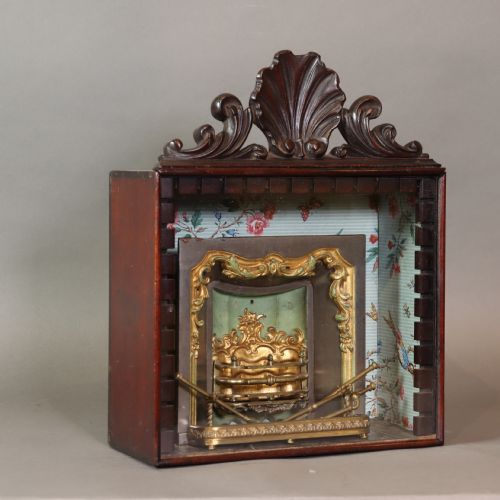
Salesmen once carried pocket-sized brass and iron fire places to entice Regency and Victorian clients without hauling heavy ironmongery.
Distinctions in craftsmanship and design
Quality in these pieces is dictated by the crispness of the metal casting and the sophistication of the decorative style. Superior examples display sharply defined classical motifs, balanced proportions, and integrated components such as back plates and hobs that demonstrate advanced foundry skill.
Simpler utility grates rely on straightforward cast iron construction with minimal ornamentation, whereas higher-end iterations combine multiple metals, including brass and wrought iron, executed in deliberate Regency or Adam styles.
Coalbrookdale
The Antique Grate Insert Glossary
- Hob grate
- A fireplace grate featuring flat iron shelves, or hobs, on either side of the fire for keeping kettles warm. These units were particularly popular during the Georgian and Regency periods.
- Register grate
- A type of fireplace insert equipped with a movable metal flap or damper to control the draught up the chimney. They are typically set flush within the fireplace opening.
- Fire basket
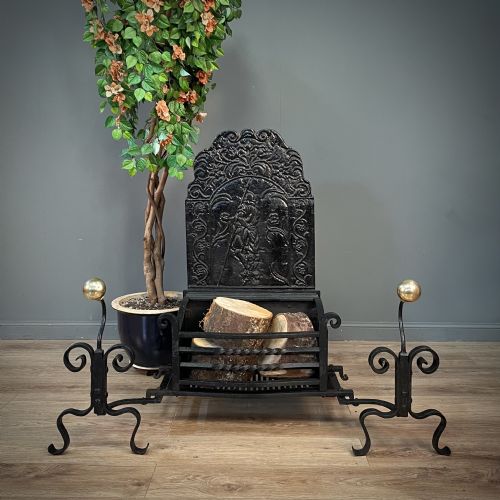
- An open metal basket designed to hold coal or wood, often supported by legs or andirons. They frequently stand independently within a larger hearth or integrate into a grate insert.
- Combination fireplace
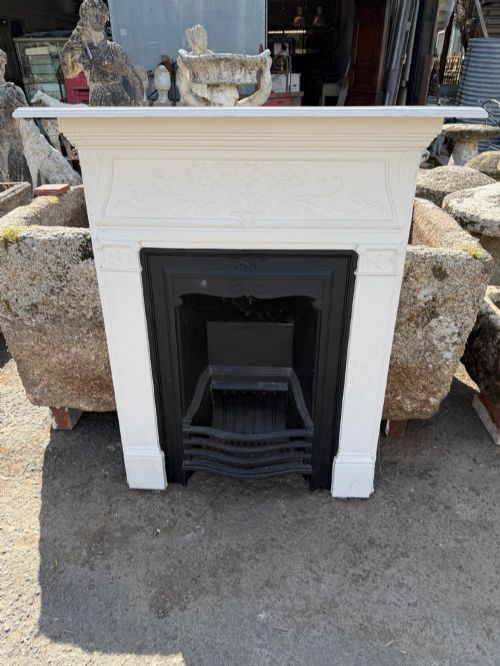
- A complete mantel and grate assembly cast as a single unit. This form became widespread during the Victorian era for domestic heating.
- Andirons
- Horizontal bars or supporting firedogs raised on legs, placed in a hearth to support burning logs. They often accompany fire baskets in period fireplace sets.
Antique Grate Insert: Frequently Asked Questions
What is an antique grate insert?
An antique grate insert is a metal fireplace fixture designed to hold fuel and fit directly into a chimney opening or fireplace surround. They serve as the functional and visual centrepiece of a period hearth.
These pieces include hob grates, register grates, and fire baskets produced in iron and brass during the eighteenth, nineteenth, and early twentieth centuries.
How do I choose the right size?
Selecting the correct size requires measuring the height, width, and depth of your existing fireplace opening to ensure the insert fits safely and securely. Consider the proportions of the room and the surround when matching a grate.
Larger spaces accommodate substantial register grates or combination fireplaces, whereas smaller rooms suit compact cast iron grates or miniature fire baskets.
Can these grates burn real wood?
Many period grates are structurally capable of burning solid fuels, though usage depends on the condition of the metal and the presence of firebricks. Some lighter decorative baskets or miniatures are unsuited for heavy daily fires.
Consult a professional installer to verify whether a specific insert requires restoration, heat-resistant linings, or conversion before lighting a fire.
How do I date a fireplace insert?
Dating relies on stylistic markers, manufacturing techniques, and materials characteristic of specific eras such as Georgian, Regency, or Victorian. Neoclassical motifs and bright brass highlights often point to the late eighteenth or early nineteenth century.
Victorian pieces frequently include combination fireplaces or heavily ornamented cast iron components, while Arts and Crafts examples showcase hand-worked wrought iron.