



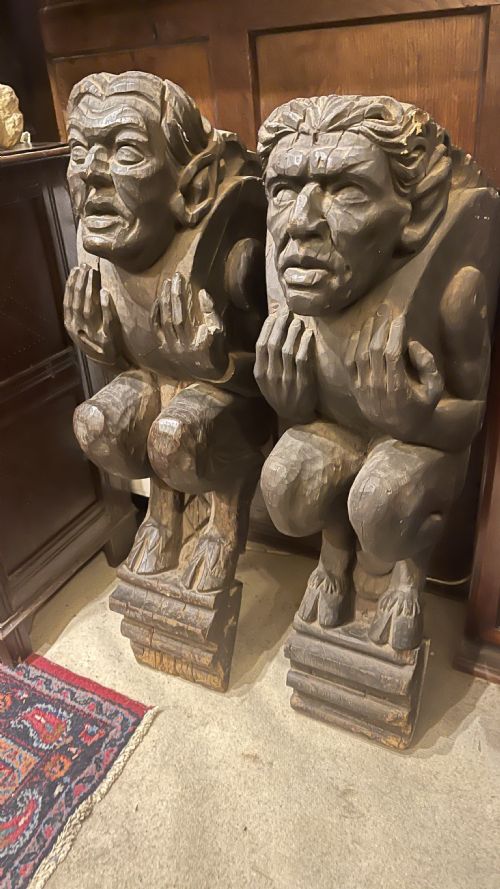

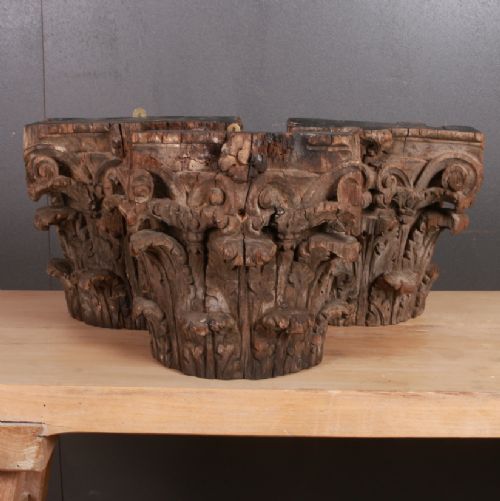


Antique Gothic Carved Brackets
These antique gothic carved brackets combine heavy timber construction with pointed architectural motifs, giving any room a strong medieval character.
Antique Gothic Carved Brackets
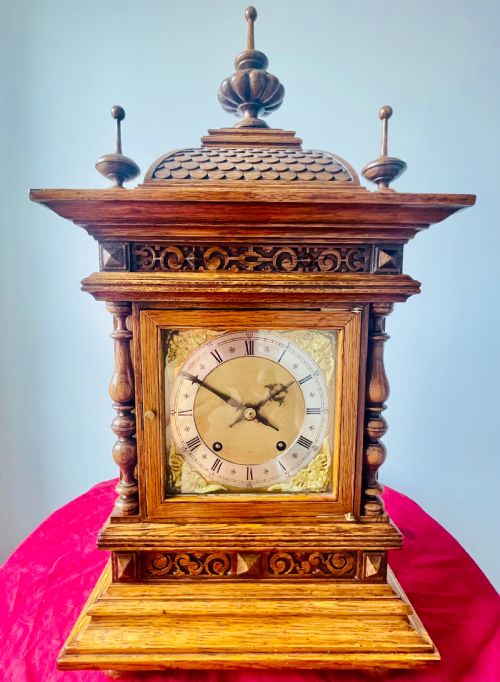
When you search for antique gothic carved brackets, you encounter architectural elements and architectural salvage alongside shelf supports and mantel clocks housed in architectural cases. These pieces draw on medieval design principles, utilising pointed arches, tracery and robust timber forms.
The selections span from the sixteenth century through the Victorian Gothic Revival and into the late nineteenth century. Oak and mahogany dominate the material record, frequently carved with deep relief details that echo ecclesiastical stone masonry.
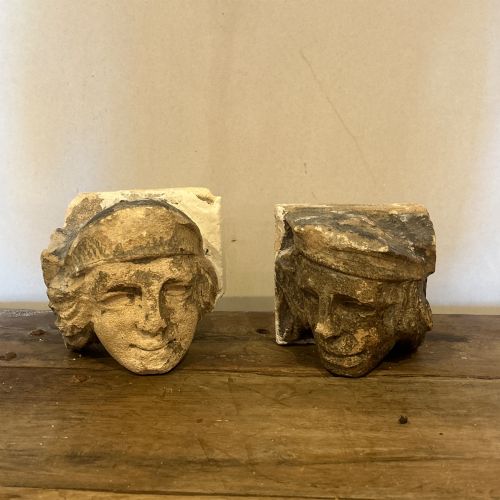
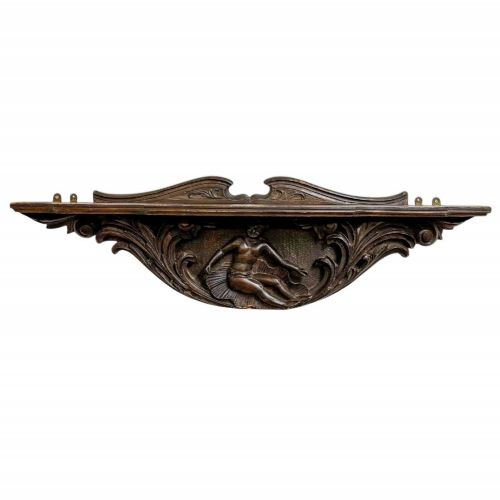
You also discover items associated with structural woodwork, including corbels, overdoor pediments and wall shelves. These items served functional roles in supporting heavier loads while displaying ornate gothic ornamentation.
What varies in quality
The depth and sharpness of the hand carving dictate the distinction between ordinary production and master craftsmanship. Superior pieces exhibit undercut details, rhythmic symmetry and confident tool marks that reveal the hand of a skilled artisan rather than mechanical replication.
The choice of timber and the preservation of original patination heavily influence the standing of each piece. Denser grain structures and untouched historic surfaces retain their integrity better than heavily restored or replaced timber elements.
Antique Gothic Carved Brackets Retail Price Guide 2026
Typical asking prices for gothic carved brackets among the pieces listed under this phrase on Sellingantiques today, from the lower quarter to the upper quarter. They describe what is for sale here now, not the wider market.
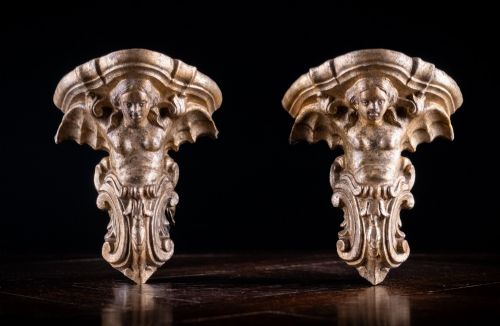
Keep an eye out for winged sirens and carved devils lurking among the solemn cathedral arches and pious archangels.
Winterhalder And Hofmeier·Luigi Frullini·George Wadham·Edwards Of London
The Antique Gothic Carved Brackets Glossary
- Corbel
- A projecting bracket of stone, wood or metal that supports a weight above it. In gothic architecture, these often terminate in carved faces, foliage or grotesque figures.
- Fusee
- A conical pulley used in clock movements to maintain equal power as the mainspring unwinds. This mechanism is common in precision English bracket clocks.
- Tracery
- Openwork ornamental stone or woodwork characterised by intersecting ribs, commonly found in gothic window designs. Carvers translated this stone motif into timber brackets and clock cases.
- Pediment
- A triangular or arched decorative feature placed above a door, window or shelf. Antique examples often incorporate deep relief carvings in the gothic taste.
- Aesthetic Movement
- A late nineteenth-century design style that emphasised visual beauty over narrative subject matter. Pieces from this era often blend dark woods with stylised ornamentation.
Antique Gothic Carved Brackets: Frequently Asked Questions
How do I mount an antique wooden bracket safely?
Heavy carved brackets require secure anchoring into wall studs or masonry using appropriate fixings matched to the weight of the timber. Professional installation ensures the structural integrity of both the wall and the antique support.
Because many pieces served architectural roles originally, their backplates or mounting points may require custom concealed brackets to distribute the load evenly without damaging historic wood.
How should I clean carved oak woodwork?
Dust intricate carvings gently using a soft-bristled brush to lift debris from deep recesses without abrading the historic patination. Avoid modern chemical polishes and liquid cleaners that can soften or darken aged timber.
Applying microcrystalline wax sparingly helps protect the dry surface of older woods while preserving the natural grain and historic finish.
How can I tell a Victorian gothic piece from an earlier one?
Nineteenth-century revival pieces often display machine-assisted precision alongside hand carving, whereas genuine sixteenth-century work reveals entirely hand-wrought tool marks and greater irregularity in construction.
Examinations of secondary timbers, joinery methods and fastener types help clarify the chronological origin of architectural fragments and clocks.