




Antique Gold Walking Cane
An antique gold walking cane is a refined Victorian accessory featuring precious metal pommels and exotic hardwoods that gentlemen carried for status.
Antique Gold Walking Cane
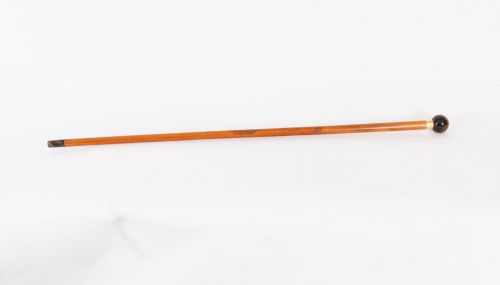
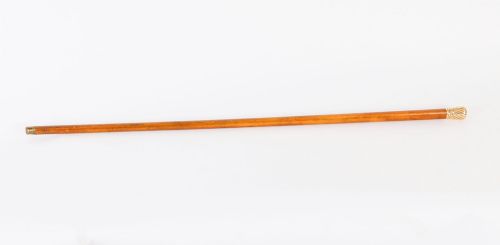
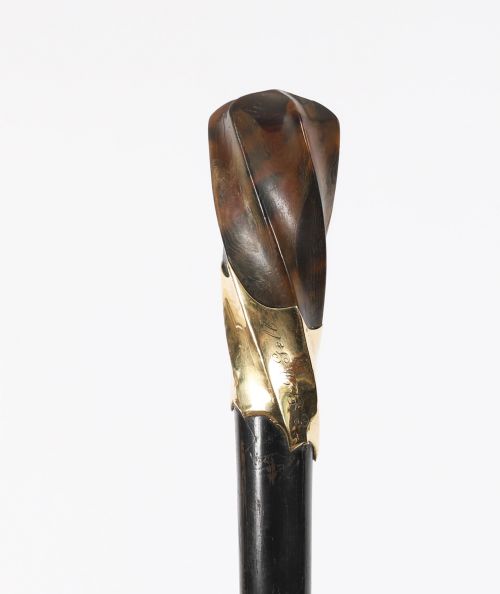
An antique gold walking cane represents a sophisticated social accessory from the nineteenth and early twentieth centuries, prized for its combination of utility and ostentatious display. When exploring this selection, buyers encounter distinct forms ranging from traditional timber shafts with solid gold pommels to concealed sword sticks featuring fine French porcelain details. These pieces primarily date from the Victorian and Edwardian eras, reflecting an epoch when personal accessories signalled social standing.
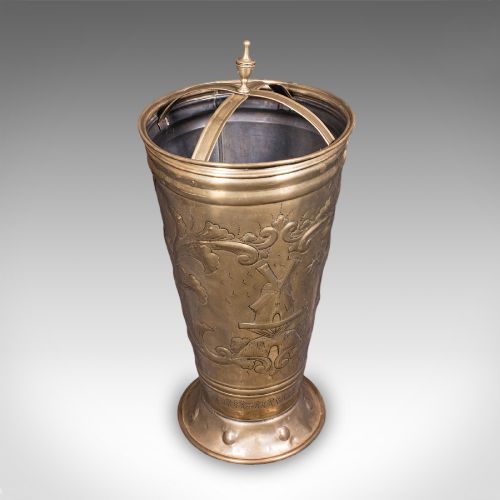
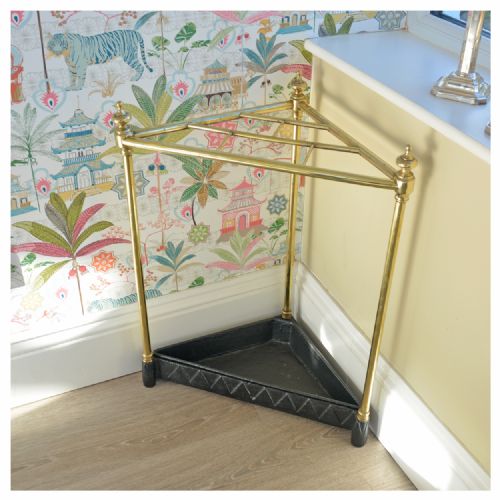
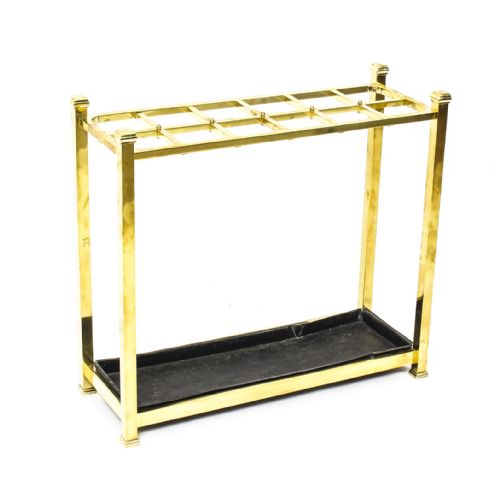
The objects available in this category span various regional origins, including English workshops, French makers, and Spanish damascene artisans. Alongside actual walking canes, the selection incorporates related hallway furniture such as brass and cast iron stick stands designed to house these accessories. Most cane examples feature slender shafts of malacca, ebony, or palm wood paired with heavy precious metal handles.
Materials and construction methods
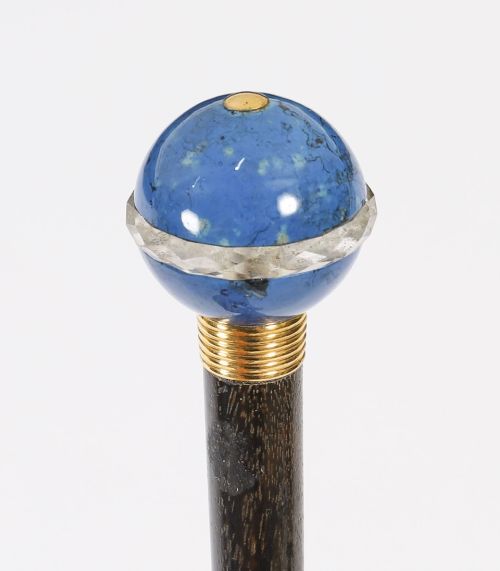
The construction of an antique gold walking cane relies on the union of durable hardwoods and precious metals, utilising materials such as 18ct gold, 15ct yellow gold, and 9ct gold for the decorative pommels and collars. Shafts are typically fashioned from dense timbers like ebony and malacca, or occasionally fashioned from horn and steel in the case of specialised sword sticks. Artisans secured these gold handles to the wooden shafts using internal screw threads or pinned collars.
Specialised techniques include engine turning on gold handles to create precise geometric patterns, alongside fine gold damascene inlay work executed on steel and wood shafts originating from Toledo. French examples frequently incorporate Sevres porcelain panels set directly into the mountings, combining ceramic artistry with metalwork. Metal mounts also utilise gold plating and silver alongside solid high-carat components.
Antique Gold Walking Cane Retail Price Guide 2026
Typical asking prices for gold walking cane among the pieces listed under this phrase on Sellingantiques today, from the lower quarter to the upper quarter. They describe what is for sale here now, not the wider market.
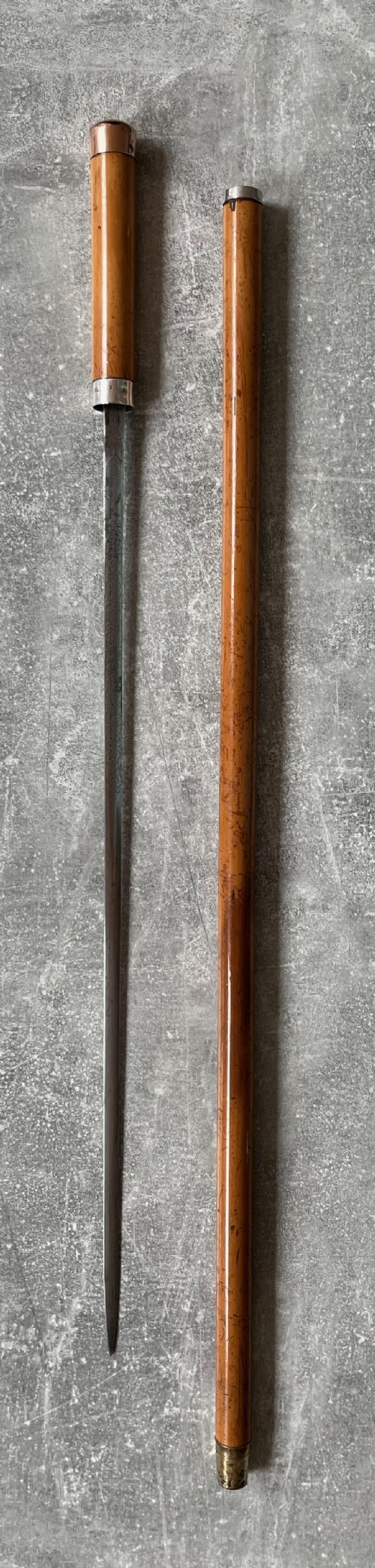
Some gentlemen preferred a cane that doubled as a blade, hiding a Wilkinson sword beneath an innocent exterior of gold plate and porcelain.
Markers of quality and craftsmanship
Quality in an antique gold walking cane rests upon the weight and purity of the gold pommel, alongside the prestige of the maker and the complexity of the shaft's decoration. Pieces bearing hallmarks for specific makers such as Brigg, Thomas Johnson, or Franzi command greater interest due to their documented provenance. Furthermore, the intricacy of hand-engraved details or engine-turned patterns on the gold handle distinguishes superior examples from plain mounts.
The material integrity of the shaft also determines the standing of the piece, with straight exotic hardwoods like malacca and ebony representing better construction than standard domestic timbers. The inclusion of functional elements, such as fully operational Wilkinson blades in sword sticks, elevates the manufacturing standard. Preservation of the original length and the tightness of the fit between handle and shaft remain central to the overall standard of the cane.
Briggs·Thomas Johnson·Falkirk Ironworks·Franzi
The Antique Gold Walking Cane Glossary
- Pommel
- The rounded or decorative handle fitted to the top of a walking stick or cane. This component is frequently cast from 9ct, 15ct, or 18ct gold.
- Malacca
- A sturdy tropical rattan cane imported from Southeast Asia, prized for its mottled brown surface and utilised as the primary shaft material for luxury walking sticks.
- Engine turned
- A decorative technique involving precision mechanical engraving to produce intricate geometric patterns across a metal surface, commonly found on gold handles.
- Damascene
- The art of inlaying different metals, typically gold wire into a dark oxidized steel or wood background, often associated with Toledo craftsmanship.
- Sword stick
- A walking cane containing a concealed blade within the wooden shaft, requiring precise craftsmanship to ensure the scabbard and handle lock securely together.
Antique Gold Walking Cane: Frequently Asked Questions
What is an antique gold walking cane?
An antique gold walking cane is a traditional gentleman's accessory featuring a shaft of hardwood or horn topped with a pommel manufactured from solid or plated gold. These items served as functional aids and symbols of fashion during the nineteenth and early twentieth centuries.
Today, collectors acquire these pieces for their fine metalwork, historical associations, and association with Victorian and Edwardian dress codes.
How do I identify the gold purity?
Makers typically stamped gold pommels with hallmarks indicating the carat weight, such as 9ct, 15ct, or 18ct gold, though some examples feature gold plating or unmarked mounts. Examining the metal under magnification often reveals assay office marks and maker's initials.
French pieces frequently utilise distinct standard marks like the eagle head to denote gold content on decorative collars and pommels.
What woods were used for shafts?
Shafts were constructed from dense, resilient timbers capable of supporting daily use without warping. Common materials include dark ebony, mottled malacca cane, palm wood, and occasionally natural horn.
Exotic woods were selected for their natural strength and distinctive grain patterns before being polished and fitted with metal tips.
How should I display my cane?
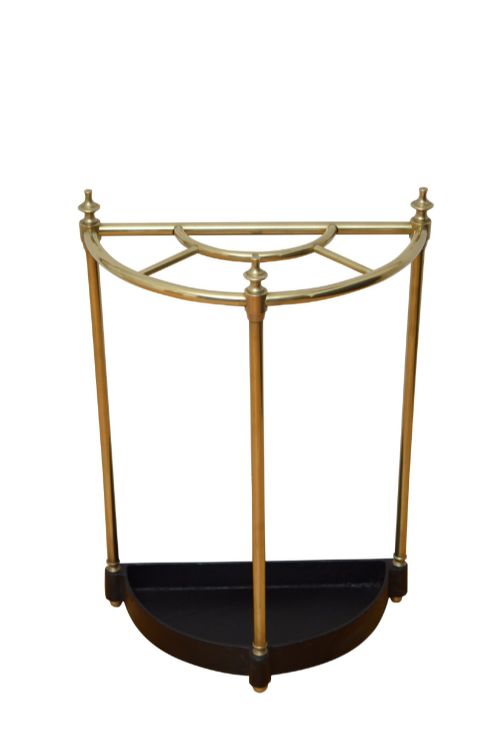
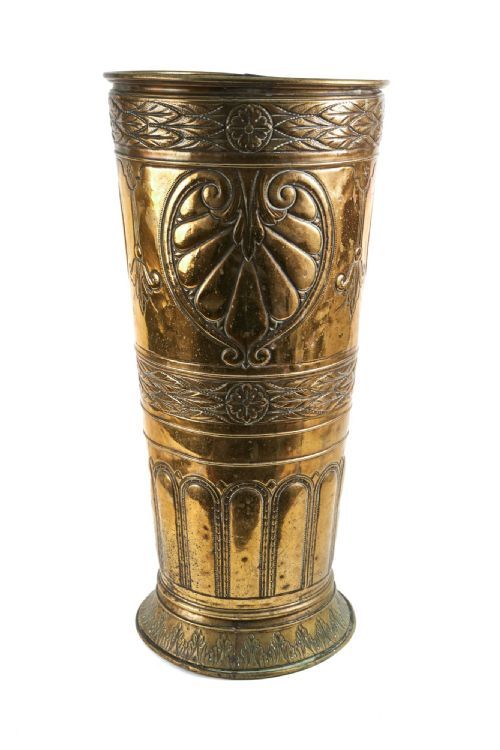
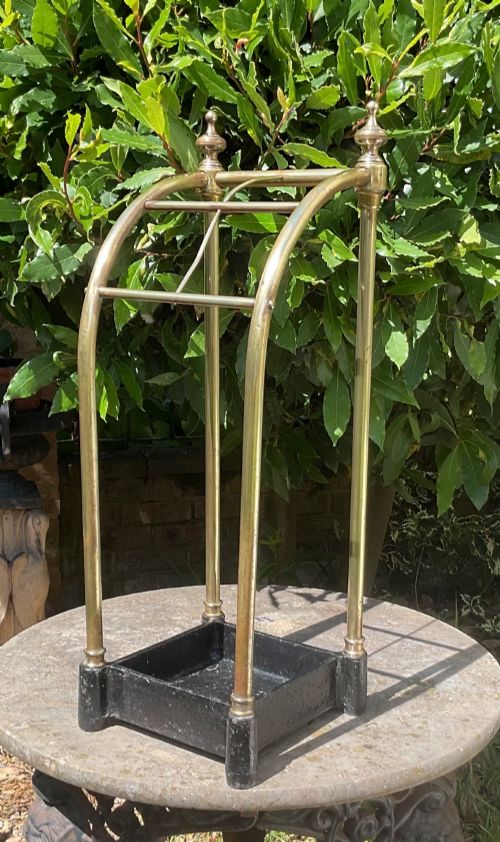
Walking canes are best displayed upright in dedicated hallway furniture such as antique brass or cast iron stick stands and umbrella holders. These stands often feature demi-lune shapes or divided loops designed to accommodate multiple canes safely.
Keeping canes in stable indoor environments away from direct sunlight protects the wooden shafts and preserves the polished finish of the gold pommels.