


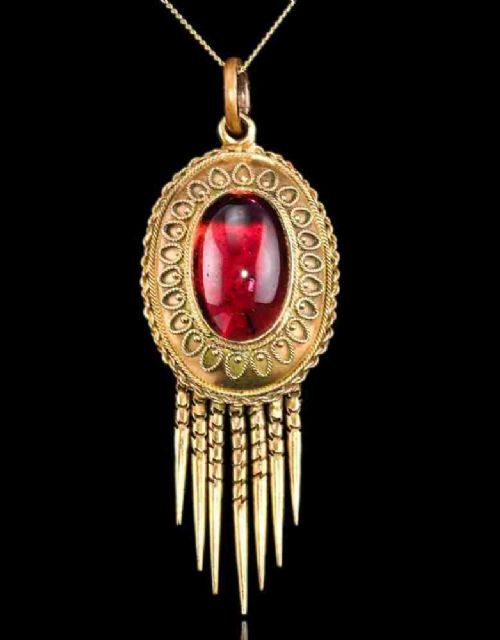


Antique Gold Tassel
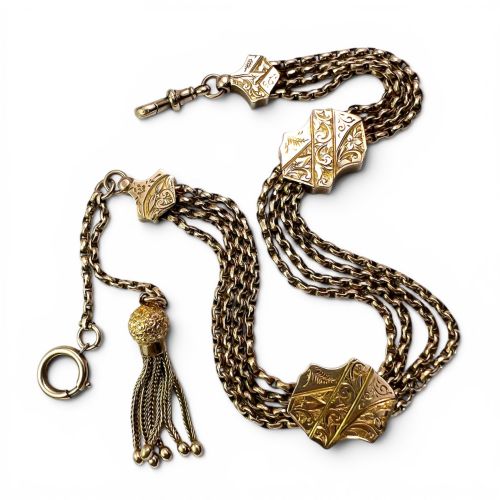
An antique gold tassel brings small, swinging detail to nineteenth and early twentieth-century jewellery.
Antique Gold Tassel
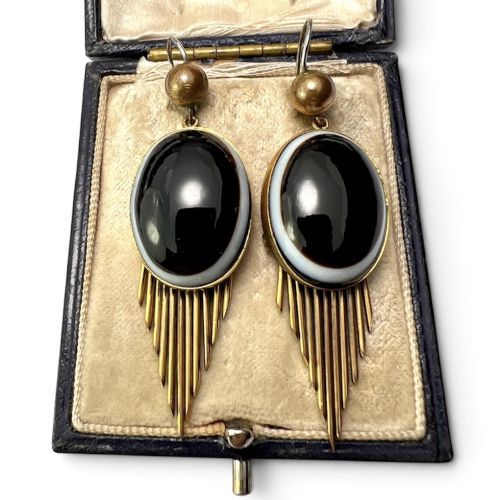
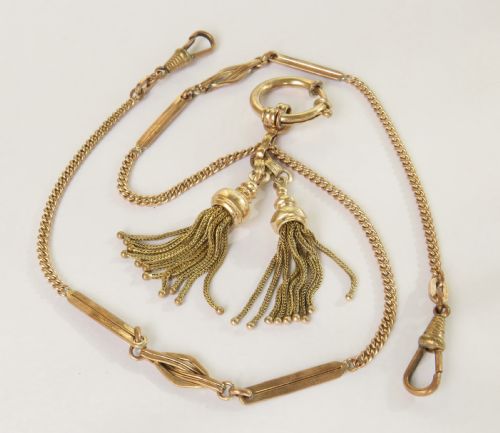
When you search for an antique gold tassel, you encounter small personal ornaments and drops attached to earrings, watch chains, and necklaces. These pieces span the Victorian, Edwardian, and later periods, capturing distinct shifts in personal adornment.
The versions most common on this page appear as drop earrings or fob pendants constructed from higher and lower carats of gold. They often incorporate smaller gemstones like garnet, turquoise, or paste alongside the metal strands.
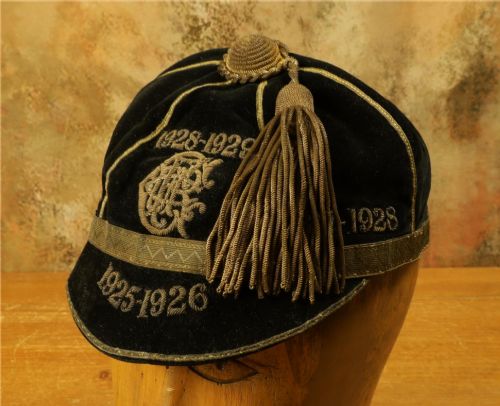
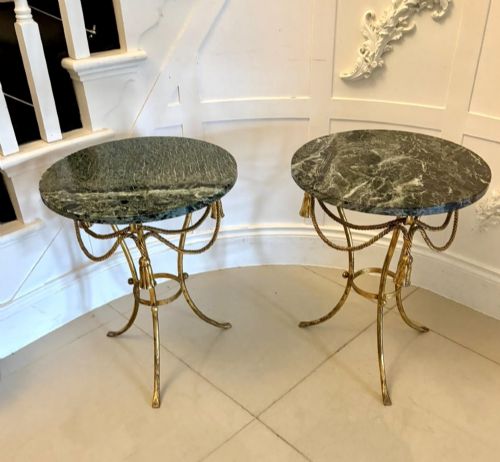
Beyond jewellery, the wider record reveals related fringed textile and curtain tie forms, but the gold examples remain distinct to personal wear. A buyer focuses primarily on the small metal chains and fringed drops attached to ears or waistcoats.
Materials and construction
Goldsmiths worked with 9ct and 15ct gold to form the delicate strands and caps of each drop. The metal was drawn into fine wires or stamped into decorative caps that gathered the bundle together.
Jewellers integrated granulation, wirework, and stone setting around the mounting. Natural turquoise, garnet, and silver paste appear mounted into the upper portions of the drops to anchor the swinging chains below.
Antique Gold Tassel Retail Price Guide 2026
Typical asking prices for gold tassel among the pieces listed under this phrase on Sellingantiques today, from the lower quarter to the upper quarter. They describe what is for sale here now, not the wider market.
Some nineteenth-century tassels conceal tiny hidden compartments designed to hold a lock of hair or a secret message.
Assessing quality in gold drops
The calibre of a piece rests on the uniformity of the individual wire strands making up the fringe. Finer items feature numerous tightly secured, flexible threads rather than stiff or rigid substitutes.
Construction integrity at the suspension loop defines the durability of the item. Superior examples display secure soldering and robust caps that withstand daily movement without separating from the main body.
The Antique Gold Tassel Glossary
- Albertina
- A short watch chain designed for women, often featuring a tassel fob at the centre. It was worn across the front of a dress or bodice.
- Etruscan Revival
- A Victorian design style incorporating granulation and wirework inspired by ancient archaeological finds. This aesthetic frequently frames gold drops and tassels.
- Foxtail
- A flexible chain made from curved metal links resembling a fox's tail. It provides the supple linkage often supporting a tassel pendant.
- Paste
- Hand-cut glass faceted to imitate gemstones, frequently set into Victorian silver and gold mounts. It adds sparkle above the swinging fringe.
Antique Gold Tassel: Frequently Asked Questions
What periods do these gold tassels come from?
The pieces span the nineteenth and early twentieth centuries, principally representing the Victorian and Edwardian eras. Later examples stretch into the nineteen-thirties.
Maker techniques and gold standards shift across these decades, guiding how each drop is constructed.
How were these tassel ornaments worn?
Jewellery tassels swung from drop earrings, pendant necklaces, and watch chains attached to waistcoats or garments. They were designed to move with the wearer.
Smaller versions functioned as fobs while larger drops hung directly from the lobes or neckline.
Are the gold tassels solid gold?
The listings show items fashioned from distinct carats of gold, notably nine-carat and fifteen-carat varieties. Each piece relies on the metal standard of its specific period.
Hallmarks or metal tests confirm the precise composition of the caps and suspending chains.
What gemstones accompany the gold drops?
Garnet, turquoise, coral, and silver paste frequently appear set into the upper sections of the tassels. These materials reflect the prevailing preferences of nineteenth-century design.
Coloured stones contrast against the warm tone of the surrounding gold work.