

Antique Gold Floral Ring
An antique gold floral ring brings together centuries of goldsmithing and gemstone work in a botanical motif.
Antique Gold Floral Ring
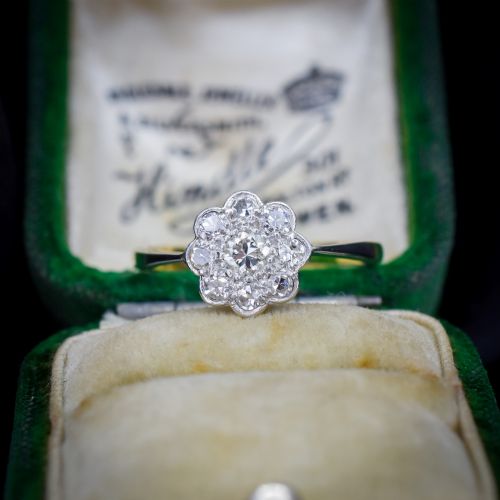
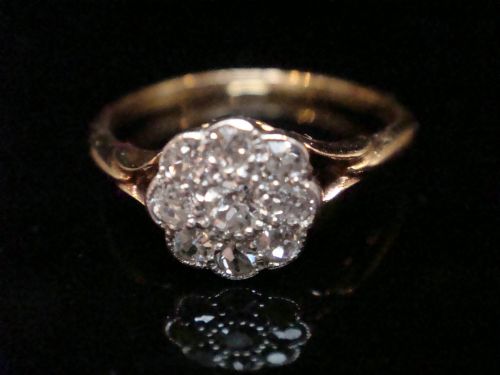
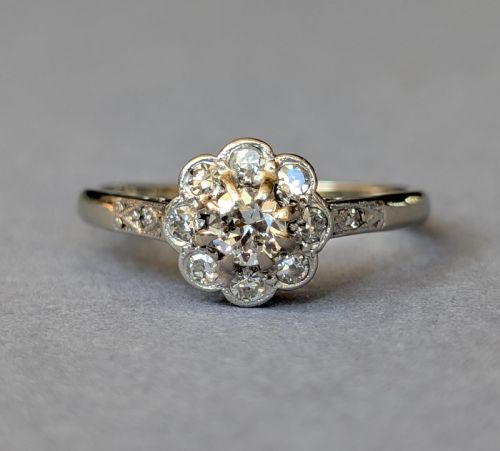
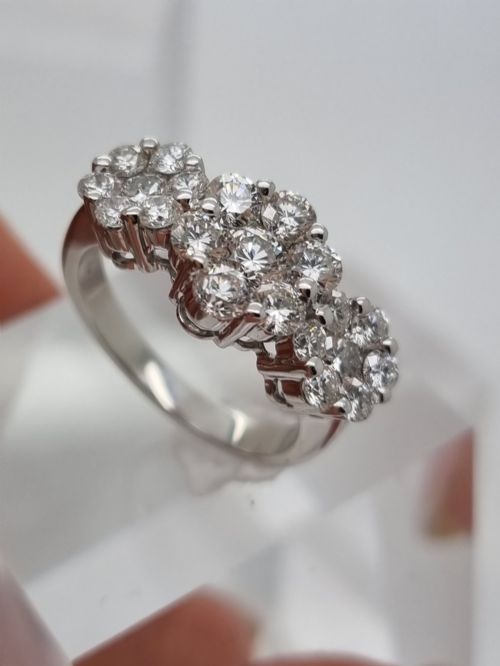
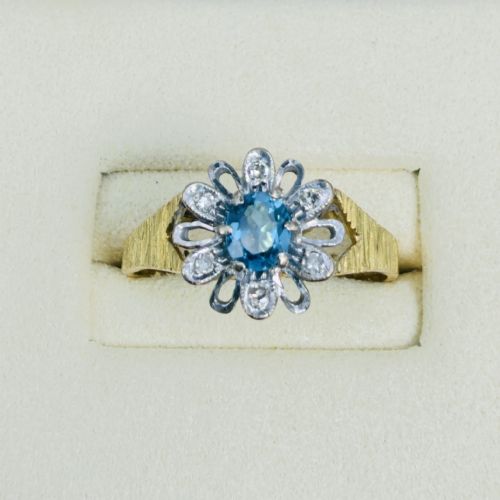
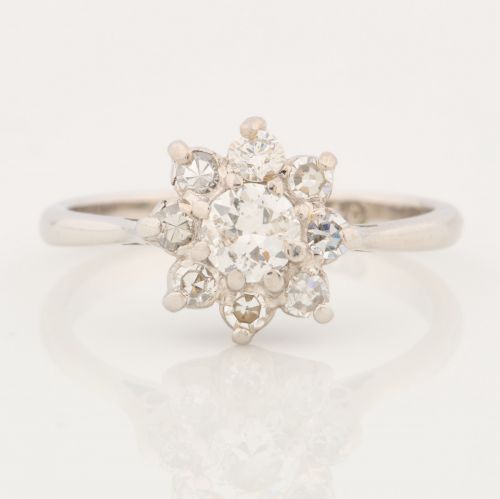
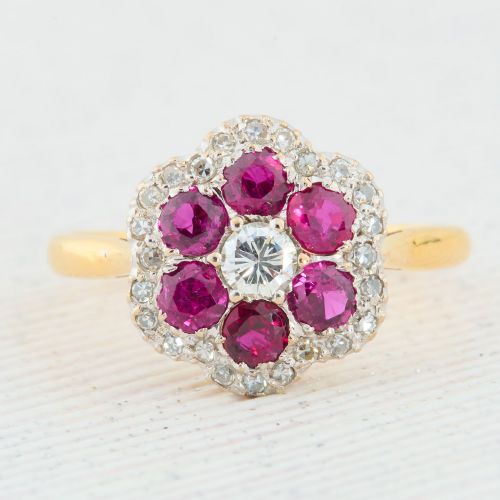
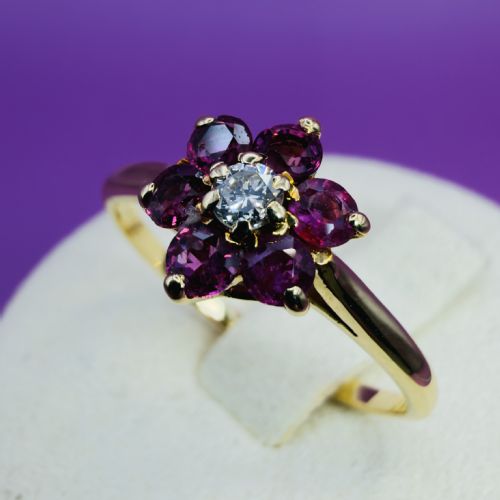
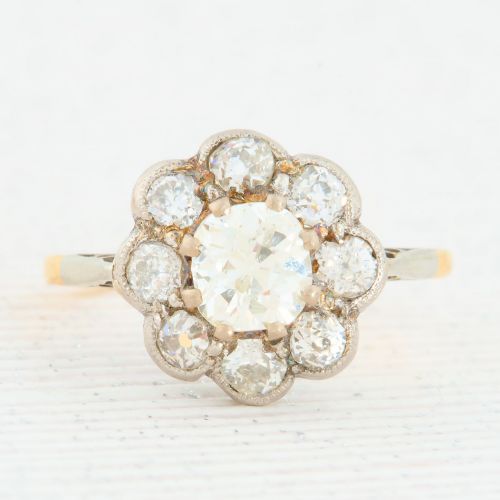
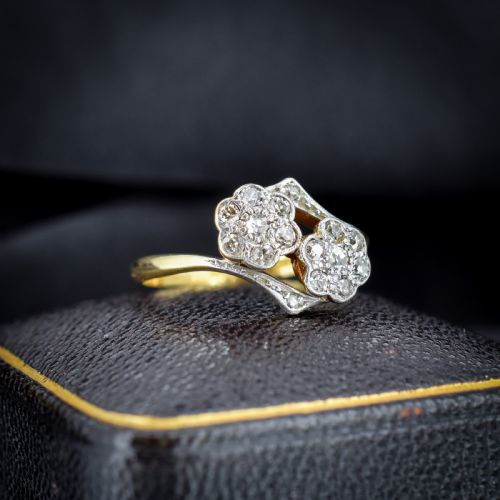
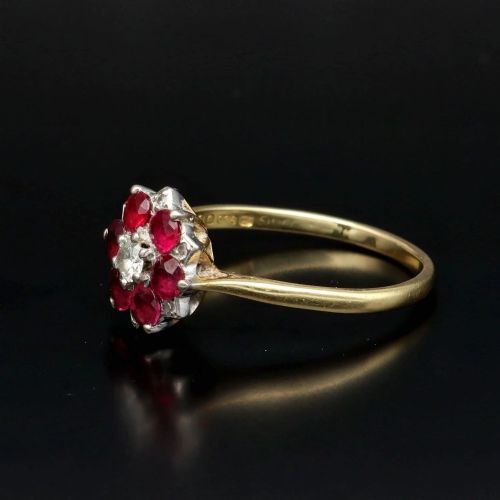
An antique gold floral ring takes the form of a cluster, often arranged as a daisy or flower motif, modelled in yellow or white gold.
These pieces emerge most commonly from Victorian and Edwardian workshops, alongside examples from Georgian, Art Deco and mid-century periods.
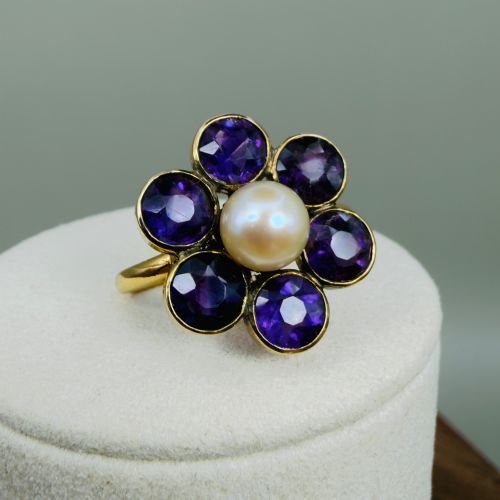
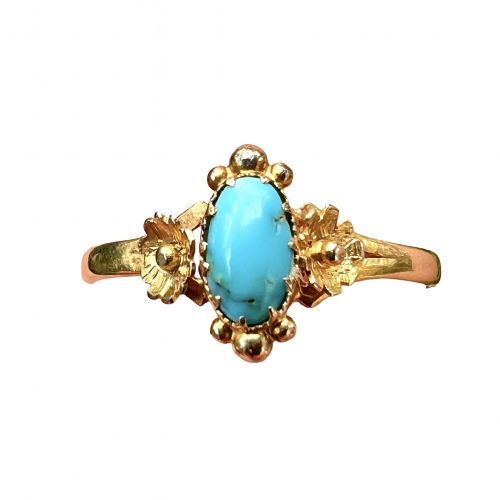
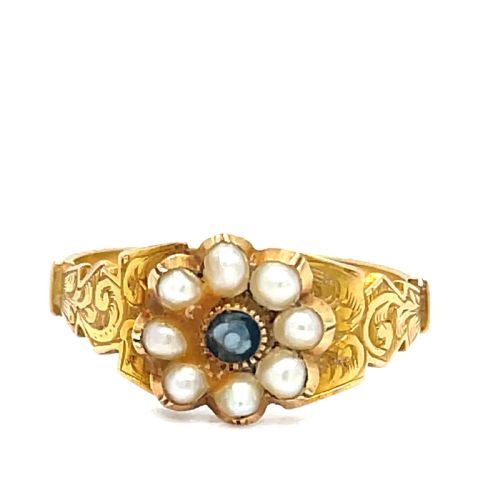
The central design typically groups diamonds, rubies, sapphires, turquoise or pearls around a central stone to mimic natural petals.
How they were made
Goldsmiths utilised 18ct yellow gold, 18ct white gold and platinum settings, sometimes combining metals to mount stones securely.
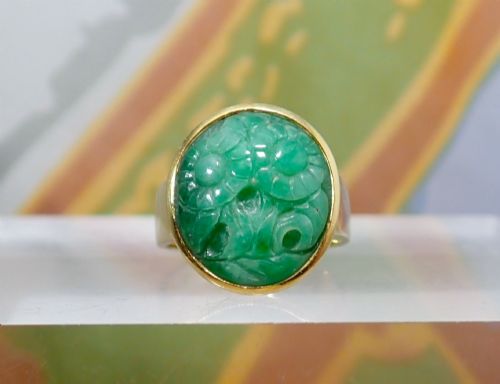
Cutters shaped diamonds using old mine cuts and old cut techniques, placing them alongside natural rubies, pearls and jadeite.
Some floral rings even incorporate agate and mourning hair behind crystal.
What varies in quality
The standard rests upon the precision of the cluster arrangement and the weight and clarity of the central and surrounding gems.
Design complexity marks the distinction between standard production and fine examples, particularly where platinum collets and detailed engraving are present.
The Antique Gold Floral Ring Glossary
- Cluster ring
- A ring set with a group of stones, usually arranged with a central gem surrounded by smaller stones to form a floral shape.
- Old cut
- A diamond cut from the late 19th or early 20th century featuring a smaller table and higher crown than modern brilliant cuts.
- Collet
- The metal band or collar that holds a gemstone in place within the mounting.
- Daisy cluster
- A specific cluster configuration where round stones encircle a single larger centre stone, resembling a flower.
- Old mine cut
- An early cushion-shaped diamond cut characterised by a high crown, small table and open culet.
Antique Gold Floral Ring: Frequently Asked Questions
What periods do these rings come from?
The available selection spans several distinct eras, with pieces originating from the Georgian period through to Victorian, Edwardian, Art Deco and mid-century decades.
Each era brings particular characteristics, such as the heavier gold settings of the Victorian years or the platinum-topped Edwardian floral clusters.
What metals are used in these rings?
Goldsmiths predominantly employed 18ct yellow gold, 18ct white gold and platinum for these floral and cluster designs.
Some earlier examples incorporate 9ct or 15ct gold alongside silver settings.
Are these rings suitable for daily wear?
Most antique gold floral rings are robust enough for regular wear provided they receive proper care and routine checks by a jeweller.
Consider the setting height and stone hardness, particularly with softer gems like pearls or turquoise.