



Antique Gold Bell
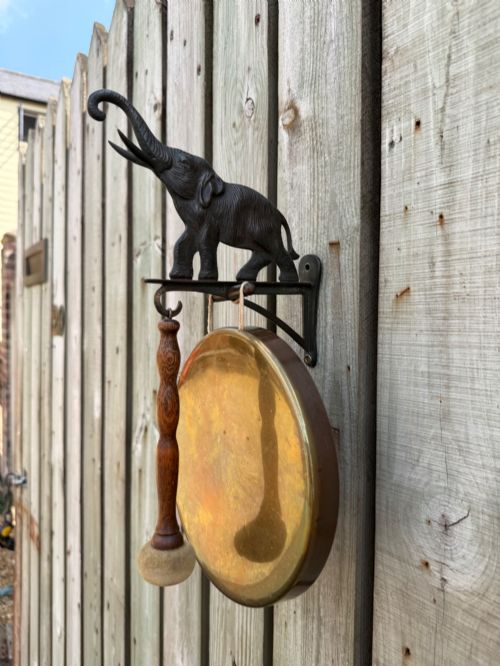
These antique gold bell pieces, spanning brass, bronze, and gilt finishes, bring unmistakable period weight and character into a room.
Antique Gold Bell
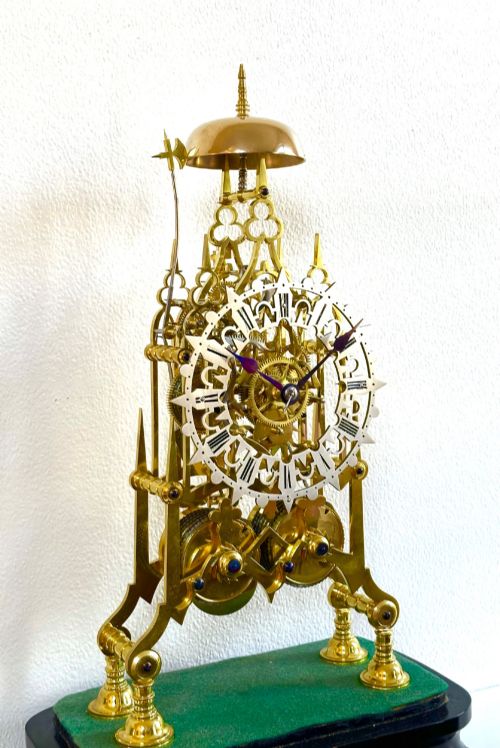
When you search for an antique gold bell, you find items encompassing brass, bell metal, and gilt surfaces rather than solid gold items, save for specific jewellery entries. The selection ranges from functional hand bells and desk call bells to ornamental pieces, clock movements with bell strikes, and maritime ship bells.
You are most likely to encounter 19th-century brass desk counters, reception bells, and carriage clocks featuring striking mechanisms. These domestic and institutional objects reflect the practical and decorative metalwork typical of the Victorian and Georgian eras.
How they were made
The objects listed utilise cast brass, bell metal, and gilt bronze or ormolu, shaped through traditional casting and machining methods. Clock housings and desk bells demonstrate precise turning and mounting of metal components.
Gilding and surface polishing provide the golden appearance seen across many of these items. Makers applied gold leaf or fire gilding to base metals like brass and bronze to achieve lasting lustre.
Antique Gold Bell Retail Price Guide 2026
Typical asking prices for gold bell among the pieces listed under this phrase on Sellingantiques today, from the lower quarter to the upper quarter. They describe what is for sale here now, not the wider market.
The selection includes functional desk call bells, carriage clocks with striking movements, and maritime bells.
What varies in quality
Quality rests in the crispness of the casting detail and the resonance of the metal itself. Finer examples display sharp definition in pierced brasswork, ormolu mounts, and engraved inscriptions.
For clock mechanisms and striking bells, the complexity of the movement and the integration of repeat strikes or alarm functions determine the tier of the piece. Substantial gauge metal and intact original gilding separate superior specimens from standard utilitarian items.
Grey of Edinburgh·Wm. Gilbert U.S.A.
The Antique Gold Bell Glossary
- Bell metal
- An alloy of copper and tin traditionally used for casting bells to produce a clear, resonant tone. It typically contains a higher proportion of copper than standard brass.
- Ormolu
- Finely ground high-carat gold applied to a bronze base using a mercury amalgamation process. This technique creates a rich golden finish characteristic of French decorative items.
- Gorge case
- A specific rectangular brass carriage clock case design with rounded top edges and a hinged handle. It appears frequently in 19th-century French timepieces.
- Fusee
- A conical pulley used in clock movements to maintain even tension on the gear train as the mainspring unwinds. This mechanism ensures accurate timekeeping.
Antique Gold Bell: Frequently Asked Questions
How do I care for brass bell surfaces?
Clean unlacquered brass and bell metal gently with a soft cloth to remove dust without stripping the natural patination. Avoid harsh chemical polishes that can wear away historic surface details.
Keep pieces in stable, dry environments to prevent oxidation and verdigris from forming on the metal. Regular light dusting is sufficient for daily maintenance.
Were these desk bells used in offices?
Counter and desk bells served primarily in Victorian hotels, shops, and offices to summon service. Their spring-loaded mechanisms allowed staff to hear a clear ring from another room.
Over time, these utilitarian objects transitioned into decorative desk accessories. Their solid brass construction ensured they survived decades of heavy daily use.
What is a carriage clock bell strike?
A carriage clock bell strike uses an internal gong or bell to ring out the hours and quarters automatically. These complex mechanical movements often feature repeat functions to sound the last hour on demand.
Clockmakers housed these mechanisms within brass and glass travel cases designed for portability. The sound quality depends heavily on the thickness and alloy composition of the internal bell.
How do I date a brass bell?
Dating relies on manufacturing marks, screw types, and overall styling conventions of the period. Georgian and Victorian pieces show distinct casting methods and wear patterns unique to their era of production.
Engraved inscriptions and serial numbers on clock movements or desk bases provide further clues. Comparing the weight and alloy type helps narrow down the decade of manufacture.