

Antique Globe Light
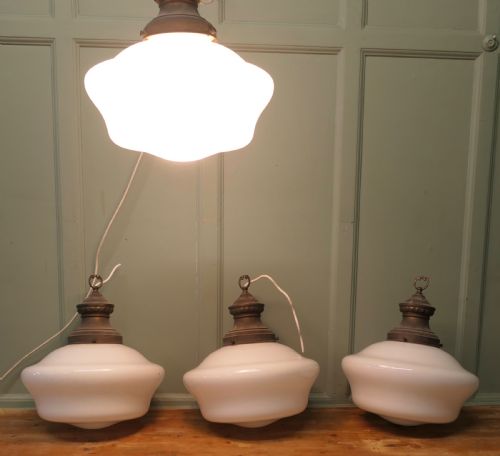
These antique globe light examples combine heavy brass and delicate opaline or frosted glass to bring warm, period illumination into a room.
Antique Globe Light
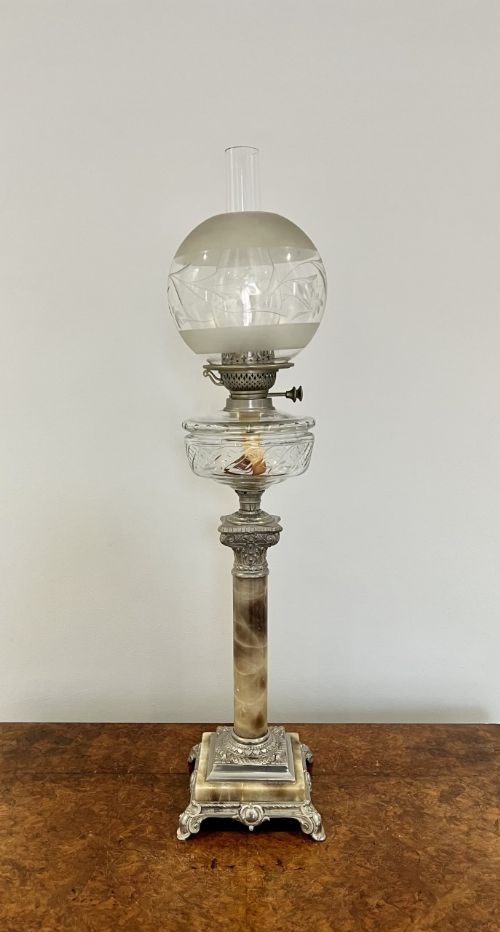
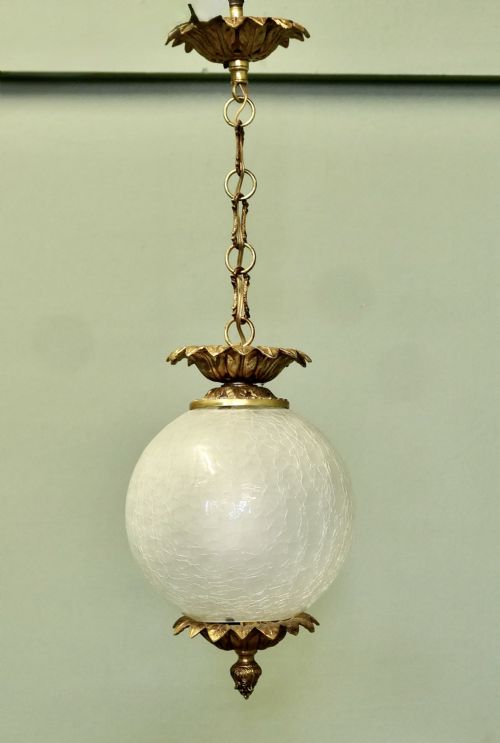
When you search for an antique globe light, you encounter a selection of hanging pendant lights, ceiling lights, and table fittings that utilise spherical glass forms. The pieces span periods from the Victorian era and Edwardian times through to the Art Deco movement.
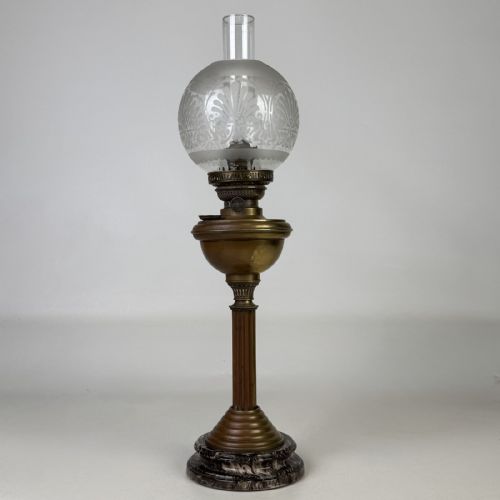
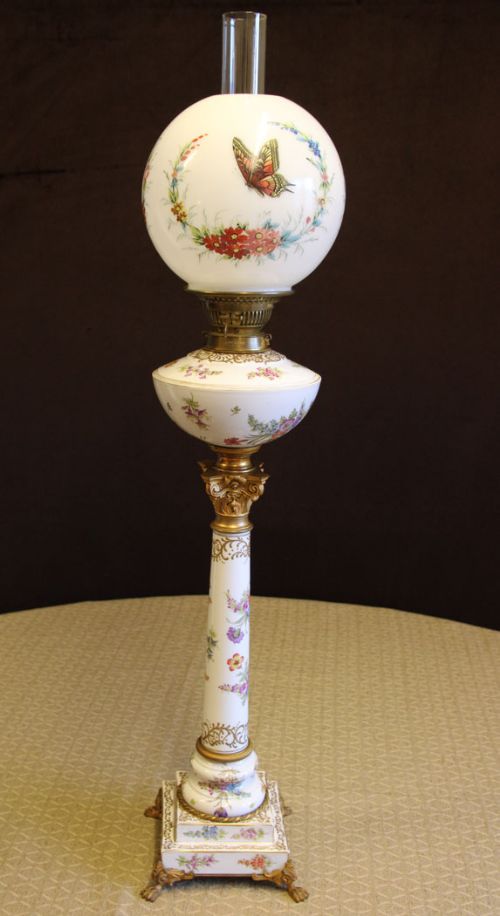
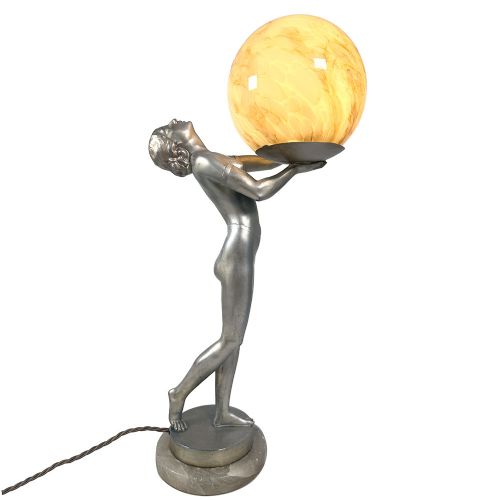
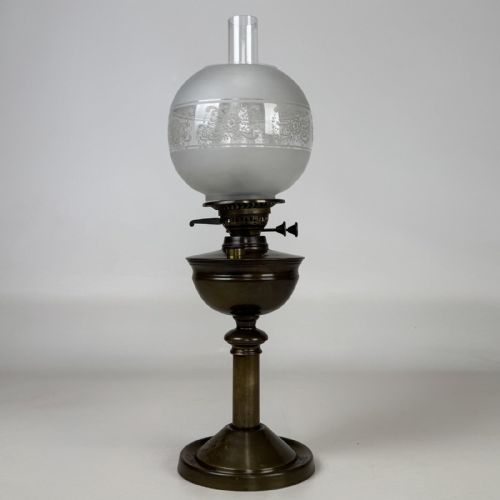
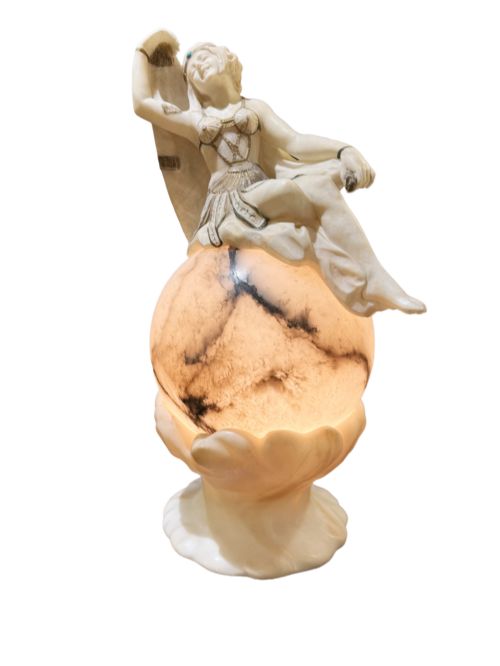
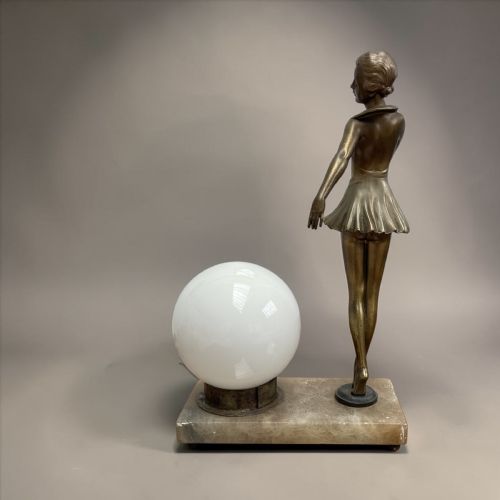
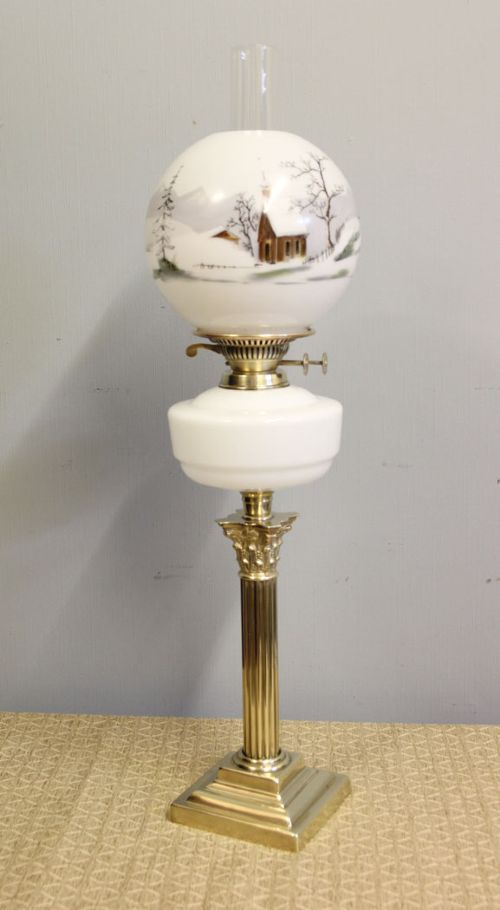
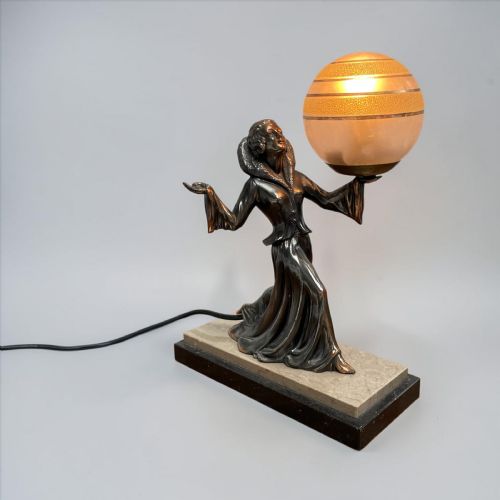
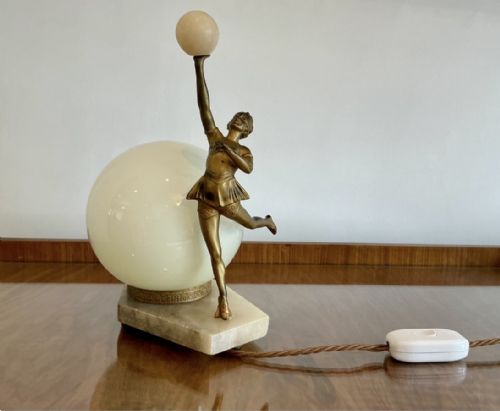
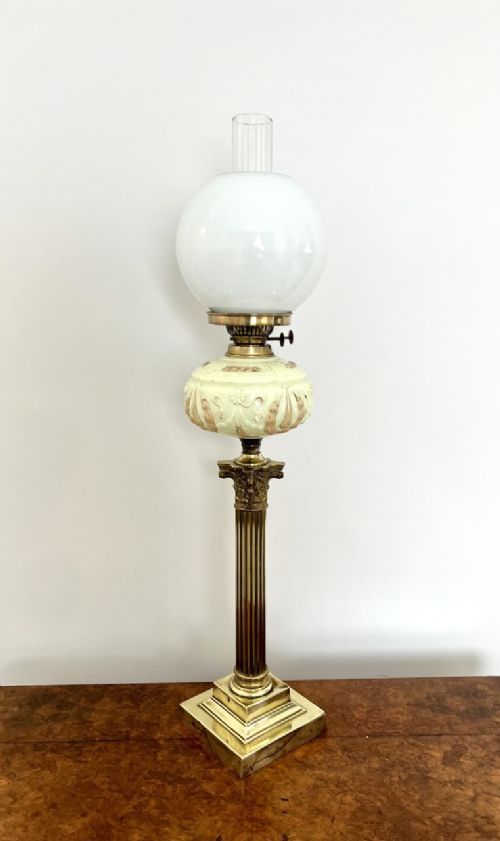
You are most likely to meet spherical glass shades paired with brass or copper mounts, alongside oil lamps and figural desk lamps incorporating spherical elements. These items originate from British, French, and wider European workshops across the nineteenth and early twentieth centuries.
Materials and construction
Glassmakers blew and moulded opaline, frosted, smoked, and cranberry glass to create the spherical shades that diffuse light evenly. Metalworkers shaped brass, bronze, copper, and spelter into structural frames, columns, and mounts.
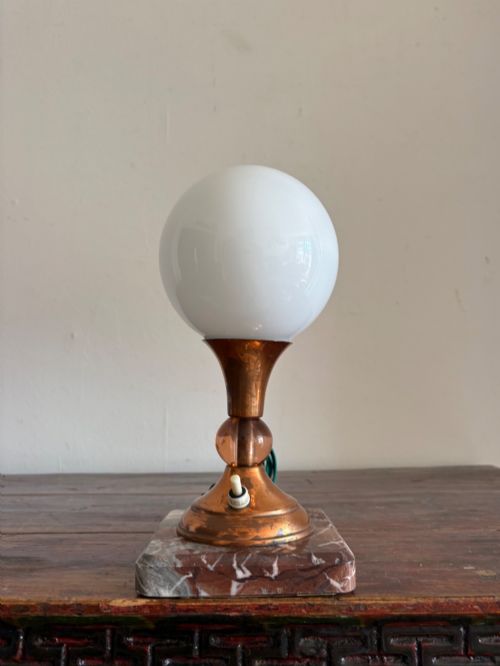
Bases frequently incorporate contrasting materials such as marble, onyx, and alabaster to anchor the weight of the metal and glass components. Fitters joined these elements using threaded brass collars and traditional screws.
Antique Globe Light Retail Price Guide 2026
Typical asking prices for globe light among the pieces listed under this phrase on Sellingantiques today, from the lower quarter to the upper quarter. They describe what is for sale here now, not the wider market.
Listings feature items from the Victorian, Edwardian, and Art Deco periods, utilising brass, opaline glass, marble, and alabaster.
Judging the standard of manufacture
The distinction between ordinary and exceptional pieces lies in the weight of the metal castings and the finish of the glass. Heavier brass frames and hand-blown glass with even thickness indicate superior craftsmanship.
Detailing on figural components, such as spelter or bronze figures supporting spherical lamps, reveals the skill of the original foundry. Original matching fittings and uncompromised glass surfaces elevate the standing of an installation.
Hinks of Birmingham·Émile-Jacques Ruhlmann·Globe Wernicke·Minty·Perry and Co·Messenger
The Antique Globe Light Glossary
- Opaline Glass
- An opaque white glass developed to soften glare while maintaining high light transmission. It appears frequently in period pendant shades and oil lamp globes.
- Spelter
- A zinc alloy used as a cheaper alternative to bronze for casting decorative figures and lamp bases during the late nineteenth and early twentieth centuries. It is usually painted or electroplated to resemble bronze or brass.
- Font
- The reservoir that holds oil in a traditional lamp before combustion takes place. These vessels are often formed from coloured or patterned glass.
- Pendant Light
- A light fixture suspended from the ceiling by a chain, cord, or metal rod. In older interiors, these often featured spherical glass shades to distribute illumination downwards.
Antique Globe Light: Frequently Asked Questions
How do I hang a pendant light safely?
Suspended light fixtures require secure ceiling anchor points that match the weight of the metal frame and glass shade. A qualified electrician must handle the wiring to ensure the installation meets current safety standards.
Older brass and copper chains should be inspected to confirm they can support the downward pull without slipping. Adjust the hanging height so the fixture clears head height while centring the illumination over your chosen space.
Can I convert an oil lamp?
Many collectors adapt period oil lamps for modern electrical use by running a flex cord through the central burner mechanism. This preserves the original brass and glass body while providing practical household lighting.
Choose a conversion method that avoids permanently damaging or drilling through marked metal components. Retaining the original burner parts ensures the piece can be returned to its initial configuration if desired.
How do I clean opaline glass?
Wash opaline and frosted glass shades in lukewarm water with a mild dish soap and a soft cloth. Avoid harsh scrubbing pads or abrasive cleaners that can scratch the delicate surface.
Dry the glass thoroughly with a lint-free cloth before reattaching it to the brass mount. Take care when handling large spheres, as older glass can be thin in places.
What periods do these lights cover?
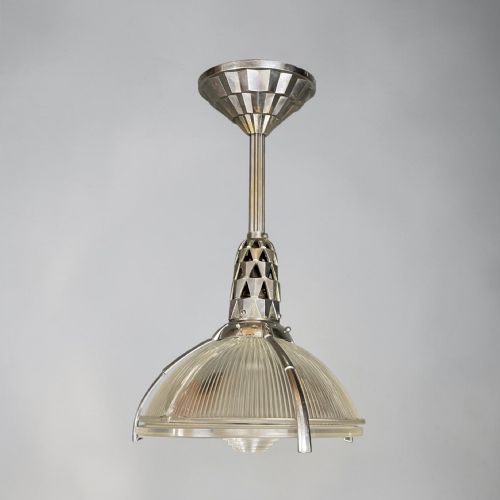
The available lighting spans from Victorian and Edwardian designs through to Art Deco pieces produced around nineteen-twenty and nineteen-thirty. Victorian items often feature heavy brass and etched or frosted glass, while Art Deco examples favour geometric mounts and smooth opaline globes.
Reviewing the listed materials and styles helps pinpoint the manufacturing era of each fitting. French and English workshops dominate the records from these decades.