




Antique Glazed Plant Stand
An antique glazed plant stand brings architectural form and rich colour to a room, holding greenery aloft on a pedestal of earthenware, faience, or ironstone.
Antique Glazed Plant Stand
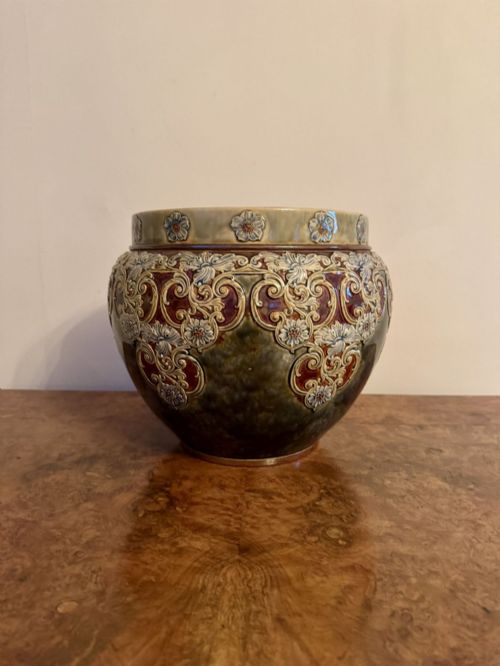
When a buyer searches for an antique glazed plant stand, they encounter a range of elevated vessels designed to display ferns and flowers indoors or in conservatories. These pieces primarily span the nineteenth century up to the early twentieth century, encompassing late Victorian, Edwardian, and Art Nouveau periods.
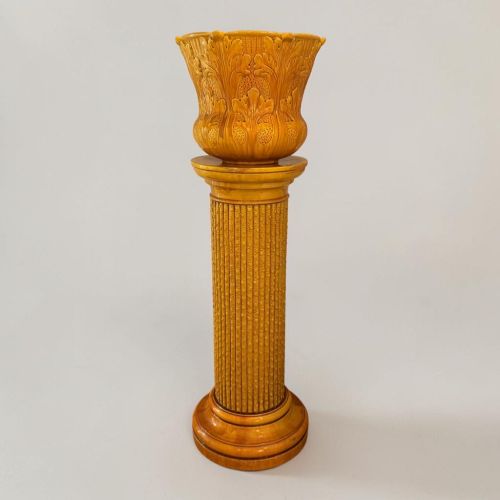
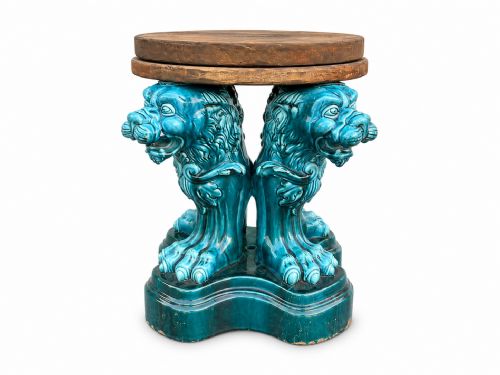
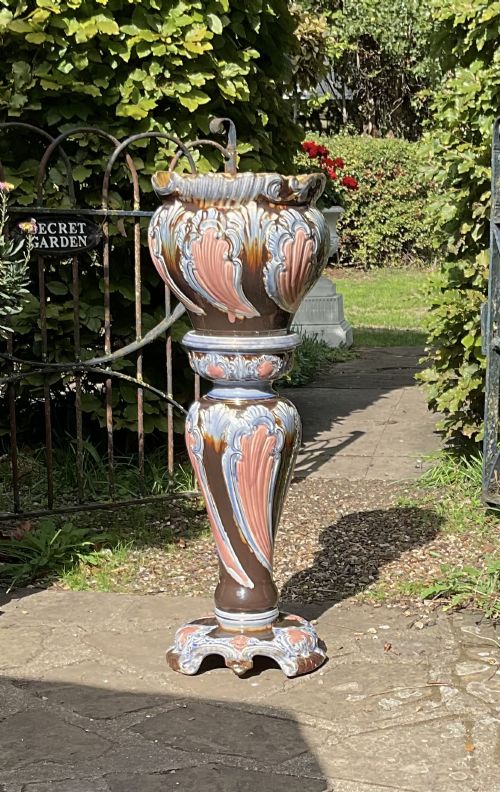
The common form pairs a low bowl or jardiniere with a matching tall pedestal column, though single garden seats and occasional tables also appear. They emerge from varied traditions including English majolica, continental art pottery, and oriental-inspired designs.
Makers utilised earthenware, ironstone, and faience, coated in vibrant lead or lustre glazes to catch the light. Surviving examples demonstrate how plants were framed as domestic sculpture during the height of the Victorian indoor gardening craze.
Materials and Construction
Potters shaped thick earthenware and ironstone bodies on large wheels or pressed them within heavy plaster moulds to bear the substantial weight of wet soil and foliage. Glazes were then applied by dipping or brushing, incorporating metallic oxides that melted during firing to produce deep greens, rich blues, and shimmering lustre effects.
Oak and mahogany occasionally form the framework for pieces associated with the Arts and Crafts movement or cabinet production, yet ceramic construction remains dominant. Potters integrated drainage holes, modelled naturalistic plant motifs, and built sturdy internal flanges so the upper jardiniere locked firmly onto its pedestal base.
Antique Glazed Plant Stand Retail Price Guide 2026
Typical asking prices for glazed plant stand among the pieces listed under this phrase on Sellingantiques today, from the lower quarter to the upper quarter. They describe what is for sale here now, not the wider market.
Listings span from the 1870s through the Edwardian era, uniting majolica earthenware, ironstone, faience, and oak furniture under the plant stand category.
Assessing Quality and Execution
The distinction between standard production and exceptional work lies in the depth of the modelling and the complexity of the glaze chemistry. Finer pieces display crisp botanical relief, rich polychrome glazes without dull patches, and harmonious proportions between the upper vessel and the supporting column.
Makers such as Burmantofts, Minton, and Clement Massier achieved superior results through advanced kiln controls and sophisticated lustre techniques that lesser potteries could not replicate. The integration of sculptural elements, such as griffins or naturalistic tree trunks, reveals the ambition of the original workshop.
Burmantofts Art Pottery·Liberty of London·Clement Massier·Minton·Julius Dressler·Woodlesford Art Pottery
The Antique Glazed Plant Stand Glossary
- Jardiniere
- A large ornamental pot or container designed to hold growing plants or flowers, usually manufactured from ceramic or earthenware. They often sit upon a matching column or pedestal.
- Majolica
- A type of earthenware covered with an opaque tin-lead glaze and painted with bright metal oxide colours. It gained immense popularity during the Victorian era for bold garden ornaments.
- Lustre Glaze
- A ceramic finish incorporating metallic elements that create an iridescent, shimmering sheen when fired in a reduced oxygen atmosphere. Clement Massier utilised this technique extensively.
- Faience
- Tin-glazed earthenware produced across Europe, known for its fine porous body and decorated surface. Woodlesford pottery notably produced examples in this tradition.
- Ironstone
- A heavy, durable type of earthenware patented in the nineteenth century to imitate porcelain. It provides exceptional strength for large garden seats and plant pedestals.
Antique Glazed Plant Stand: Frequently Asked Questions
How were plant stands used in period homes?
In Victorian and Edwardian drawing rooms and conservatories, these stands held heavy potted palms and flowering ferns to catch optimal light near tall windows. They served as prominent focal points in domestic interior design.
Owners also utilised them in hallways and entrance porches to display exotic plants, integrating living greenery directly into architectural display spaces.
How do I tell different ceramic periods apart?
Early nineteenth-century pieces often feature ironstone bodies with clobbered decoration or oriental-inspired motifs. Late Victorian and Edwardian examples lean heavily into majolica glazes, naturalistic plant forms, and structured pedestals.
Art Nouveau and Secessionist pieces from the turn of the twentieth century display flowing organic lines, stylized floral motifs, and distinctive iridescent lustre finishes.
Can these stands support heavy plants today?
Most antique glazed plant stands were engineered from thick earthenware or ironstone specifically to bear the weight of damp soil and mature plants. Their robust construction makes them suitable for modern indoor gardening.
Care should be taken to check that the upper vessel rests evenly on its base and to use internal saucers to prevent moisture contact with the antique glaze.