




Antique Glassware Stands
These antique glassware stands bring historical elegance to your table, offering refined glass bowls and dishes elevated on fitted metal or glass supports.
Antique Glassware Stands
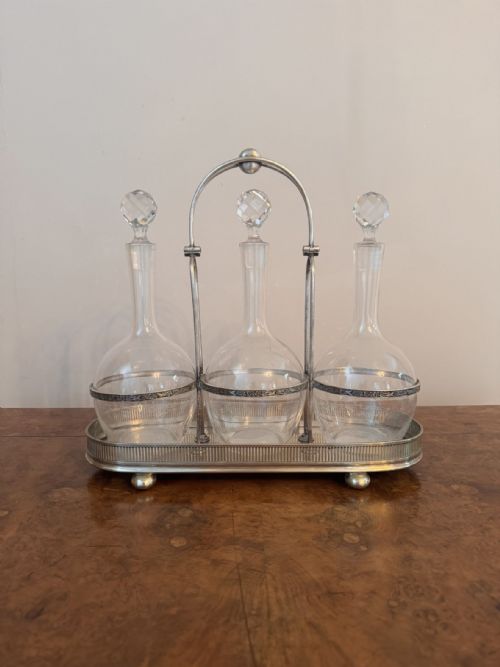
When you search for antique glassware stands, you encounter elevated glass vessels designed for serving preserves, pastries, and wines. These pieces encompass everything from diminutive patch stands and tazzas to grand decanter sets and liquor stands.
The selections span distinct periods, running from early eighteenth century George II and Georgian examples up through Victorian and Edwardian creations, alongside early twentieth century pieces. You most frequently meet table tazzas and preserve dishes resting on silver plated or metal bases.
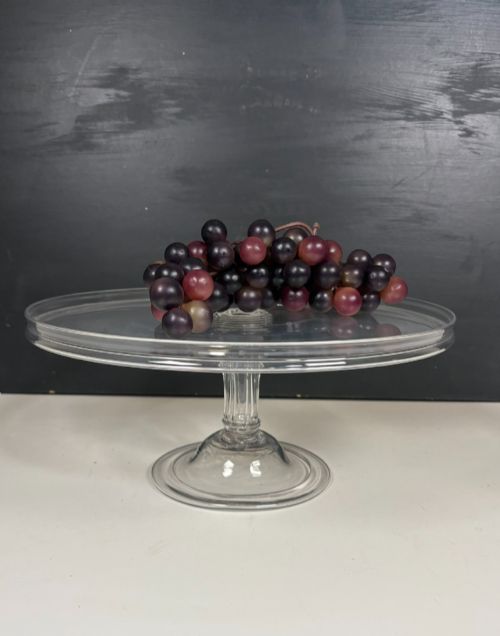
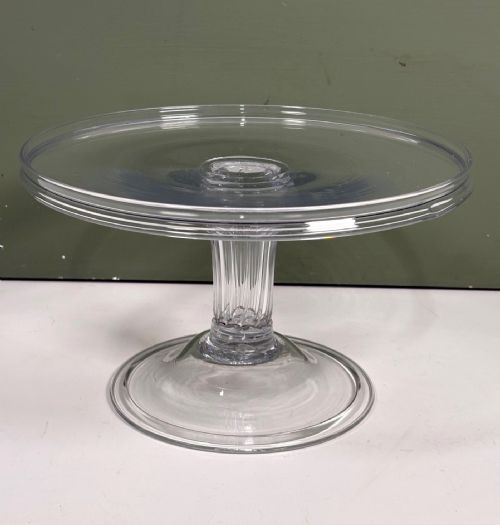
Forms vary significantly according to their original purpose, with flat tazzas used for cakes and fruits, whilst smaller stands held cosmetic patches or liqueurs. Their origins remain rooted in formal dining and household display across British and European contexts.
How they were made
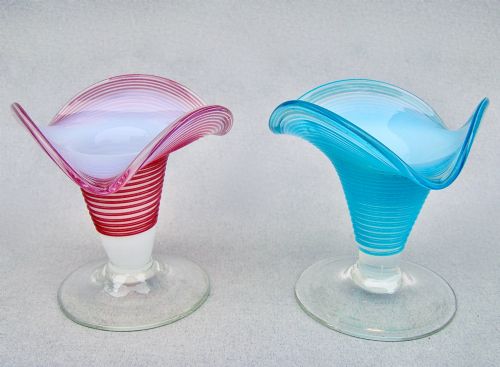
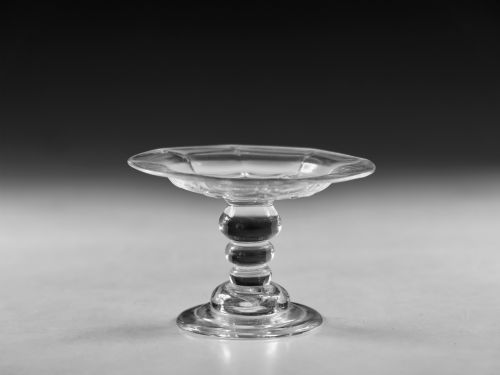
Maker's workshops utilised lead glass and clear glass, alongside rich cranberry glass and yellow over crystal, shaped through blowing and cutting techniques. Early examples display honeycomb mouldings and baluster stems with terraced feet.
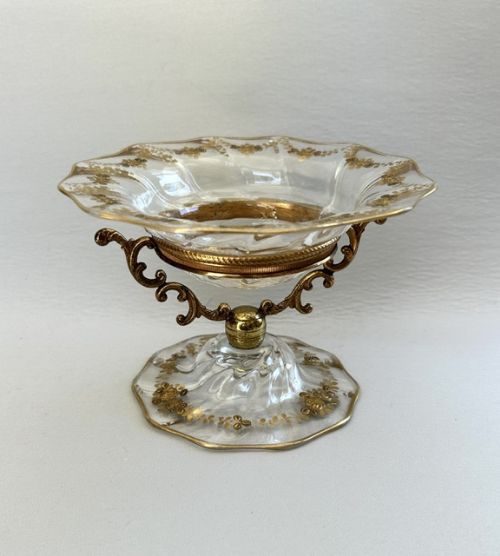
Metal components involved silver plate, ormolu, gilt metal, and pewter, often cast in floral or revivalist motifs to securely cradle the delicate glass containers. Etched and gilded decorations were frequently applied to the glass surfaces to enhance their visual depth.
Antique Glassware Stands Retail Price Guide 2026
Typical asking prices for glassware stands among the pieces listed under this phrase on Sellingantiques today, from the lower quarter to the upper quarter. They describe what is for sale here now, not the wider market.
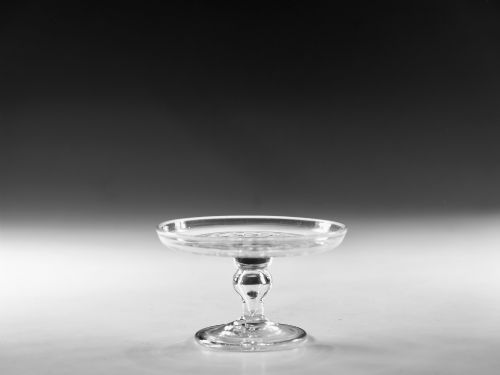
A tiny eighteenth century patch stand once held the beauty spots fashionable ladies stuck to their faces to hide smallpox scars.
What varies in quality
Quality rests upon the crispness of the glass cutting and the structural integrity of the supporting stand, whether cast in ormolu or plated in silver. Superior pieces display heavy lead crystal with deep facet moulding and minimal interior distortion in the metal mounts.
The finesse of secondary details, such as triple-knop stems on patch stands or intricate grapevine gilding on tazzas, marks the difference between standard production and exceptional work. Preservation of original colour saturation in cranberry and pearline glass also determines the standing of a piece.
Davidson·J Reinemann
The Antique Glassware Stands Glossary
- Tazza
- An elevated shallow bowl or plate mounted on a central foot or stem. These pieces were traditionally used for serving fruit or cakes during formal gatherings.
- Patch stand
- A diminutive pedestal dish designed to hold small cosmetic patches used in the eighteenth century. They often feature baluster stems and folded feet.
- Lead glass
- Heavy glass containing lead oxide for enhanced brilliance and weight. This material allowed deeper and sharper cutting by glassmakers.
- Ormolu
- Gilded bronze or brass used for decorative mounts and stands. It provides a warm metallic contrast to clear and coloured glass vessels.
- Pearline
- A pressed glass technique developed in the Victorian era that produced variable opalescent colour effects. Blue pearline is particularly notable amongst nineteenth century tableware.
Antique Glassware Stands: Frequently Asked Questions
What were antique glassware stands used for?
These stands served various domestic functions, primarily holding sweetmeats, cakes, and wine decanters during dining occasions. Smaller versions accommodated facial patches or individual liqueurs.
Over time, their roles shifted from practical dining implements to decorative display items within the home.
How do I care for antique glass stands?
Wash them gently by hand in lukewarm water using mild detergent, avoiding sudden temperature changes that can crack old glass. Dry them promptly with a soft linen cloth to preserve the clarity.
Keep silver plated and ormolu mounts free from moisture and polish them sparingly with non-abrasive cloths.
Are these stands suitable for daily use?
While structurally sound, antique stands benefit from careful handling due to their age and delicate metal or glass junctions. They work best for occasional serving or static display.
Avoiding heavy loads and dishwasher cycles ensures these historic tableware items survive intact.