






Antique Glass Vanity Pot
An antique glass vanity pot combines practical dressing table utility with decorative craftsmanship from the Victorian, Edwardian, and Art Deco periods.
Antique Glass Vanity Pot
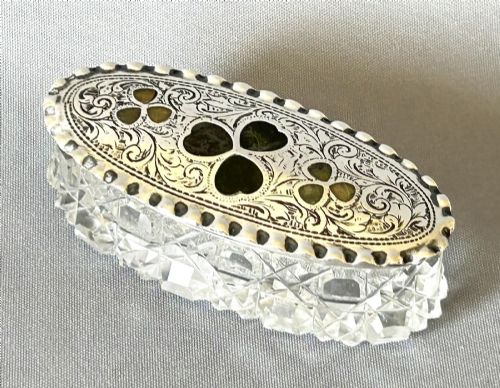
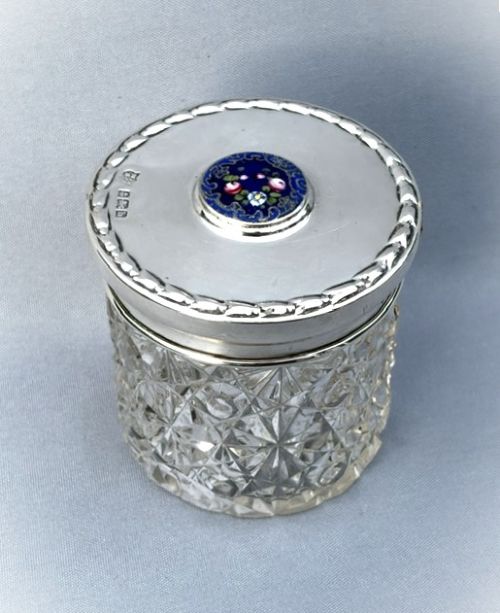
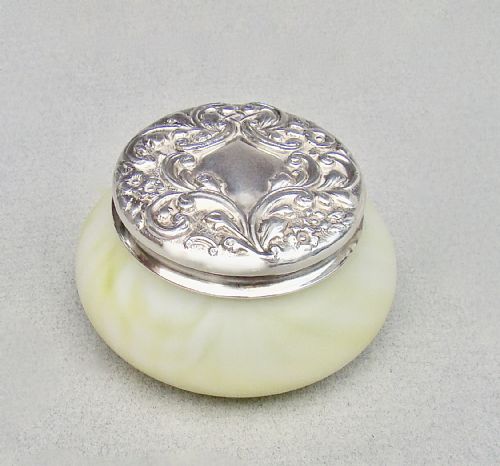
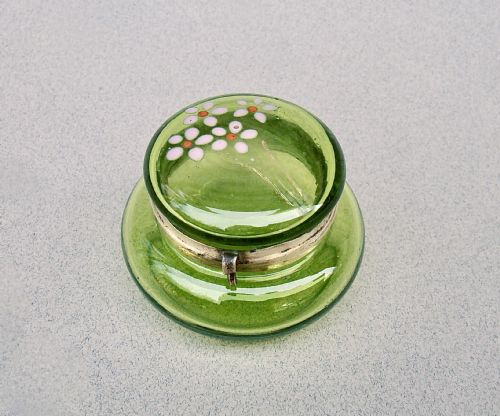
An antique glass vanity pot serves to hold powders, trinkets, pins, or creams on a dressing table. These vessels appear frequently as lidded jars, powder boxes, and small bowls shaped in cut glass, crystal, or coloured glass.
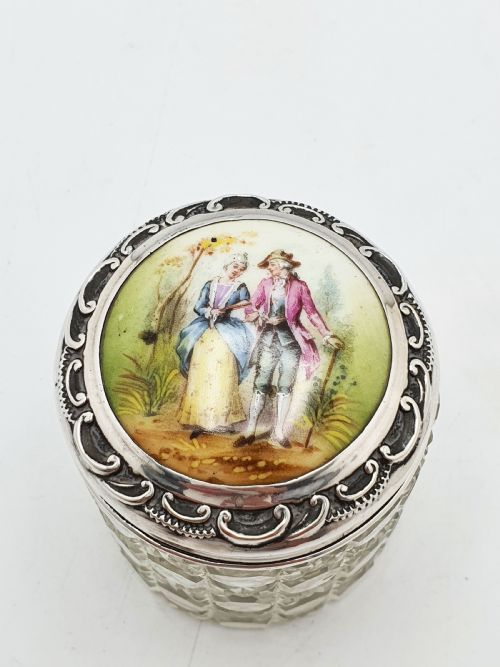
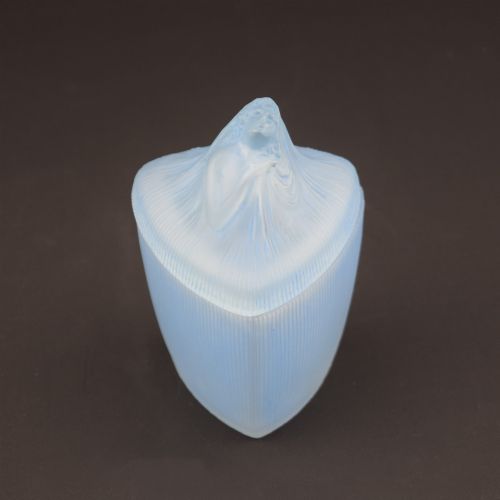
Makers housed these containers in varied forms, ranging from simple Edwardian cut crystal cylinders to French Art Deco powder boxes and pieces decorated with colourful enamel. Buyers encounter items spanning the late nineteenth century through to the nineteen-thirties.
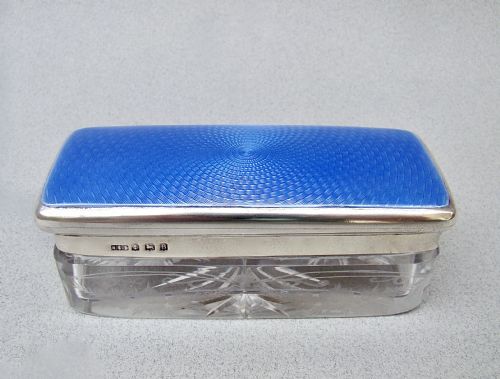
The assortment includes pieces mounted with sterling silver lids, sometimes featuring guilloché enamel, tortoiseshell, or delicate frosted glass bodies. Each item reflects the changing dressing table fashions across the Victorian, Edwardian, and Art Deco eras.
Materials and manufacturing methods
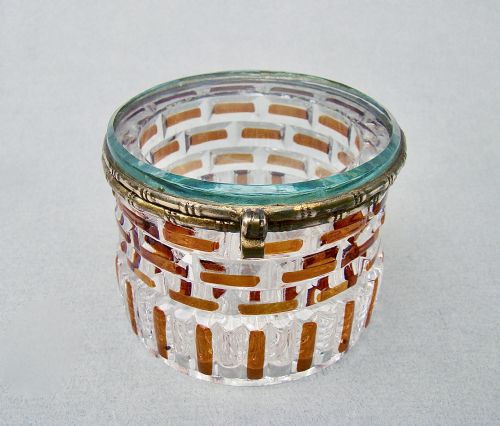
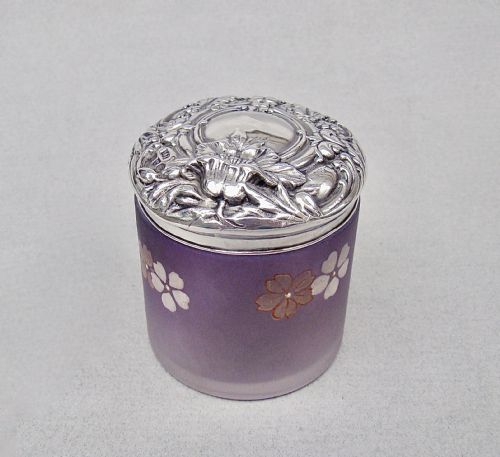
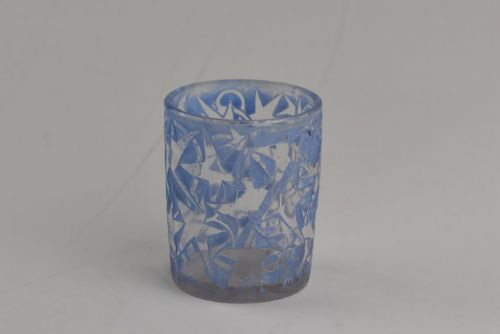
Glass bodies were produced through blowing, moulding, or heavy cutting to create faceted crystal, satin glass, or coloured vessels in shades of blue, green, amber, and cranberry. Factories utilised specialised techniques to achieve frosted textures or overlay effects on the glass surface.
Lids and mounts were fashioned from sterling silver, often hallmarked in British assay offices such as Birmingham, London, and Chester. Silversmiths embellished these metal mounts with hand-painted guilloché enamel, tortoiseshell inserts, or intricate repoussé designs.
Antique Glass Vanity Pot Retail Price Guide 2026
Typical asking prices for glass vanity pot among the pieces listed under this phrase on Sellingantiques today, from the lower quarter to the upper quarter. They describe what is for sale here now, not the wider market.
Listings feature sterling silver, cut crystal, frosted glass, and enamel across Victorian, Edwardian, and Art Deco periods.
Evaluating the standard of craftsmanship
Quality rests upon the weight and clarity of the glass, alongside the precision of the wheel-cut facets or the delicacy of the moulding. Superior examples display crisp definition in the glass patterns and heavy gauge sterling silver mounts that fit securely.
The artistic execution of the enamel work or the presence of renowned makers elevates the piece. Intricate guilloché patterns, undamaged coloured enamels, and crisp hallmarks distinguish finer examples from standard production items.
A. J. Pepper & Co·Henry Clifford Davis·Rene Lalique·A. Bromet & Co·Hasset & Harper·Jonathan Douglas·Asprey & Co
The Antique Glass Vanity Pot Glossary
- Guilloché enamel
- Enamel applied over a mechanically engraved metal surface, creating repeating geometric patterns beneath translucent colour. This technique appears frequently on Edwardian and Art Deco silver lids.
- Cut glass
- Glass decorated by abrasive wheels to produce deep geometric facets that reflect light. It provides weight and brilliance to Victorian and Edwardian dressing table jars.
- Frosted glass
- Glass treated with acid etching or sandblasting to create a matte, opaque surface texture. Makers utilised this finish to accentuate sculptural details on Art Deco pieces.
- Sterling silver
- An alloy consisting of ninety-two point five percent silver by mass, standard for British vanity pot lids and mounts. Hallmarks stamped into the metal indicate the assay office and year of manufacture.
- Overlay
- A technique where a layer of coloured glass is fused over a clear glass body before being cut away to reveal patterns. This method creates striking contrast on vanity jars.
Antique Glass Vanity Pot: Frequently Asked Questions
How were these pots used?
These containers held cosmetics, face powder, hairpins, and small personal trinkets on dressing tables. Their tight-fitting lids kept contents protected from dust in domestic bedchambers.
Ladies utilised them daily as part of elaborate grooming rituals during the Victorian and Edwardian periods. Many also served as decorative objects that coordinated with broader dressing table sets.
How do I date an antique glass vanity pot?
Silver mounts typically bear hallmarks indicating the assay office, city, and year of manufacture. These stamps provide a precise date for the metal lid, though the glass body is occasionally contemporary to it.
Stylistic indicators also help determine the period. Heavy faceted crystal and ornate floral motifs suggest Victorian or Edwardian origins, whereas geometric shapes and coloured enamel point toward the Art Deco era.
How do I care for antique glass vanity pots?
Clean glass bodies gently using warm soapy water and a soft cloth to avoid scratching fragile surfaces. Take care to keep moisture away from glued joints or backed materials like tortoiseshell and enamel.
Polish sterling silver mounts sparingly with a dedicated silver cloth, ensuring polish does not contact the glass or enamel directly. Proper handling preserves the delicate hallmarks and decorative finishes.