


Antique Glass Trinket Pot
An antique glass trinket pot holds dressing table essentials, uniting tactile glass bodies with decorative metal or enamel lids from the Georgian to the Art Deco eras.
Antique Glass Trinket Pot
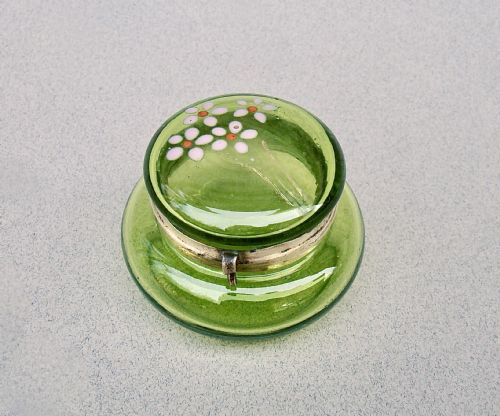
An antique glass trinket pot spans compact vanity jars, powder boxes, and lidded bowls designed for dressing tables. The pieces documented here originate primarily from the Victorian, Edwardian, and Art Deco periods, encompassing both English workshops and continental makers.
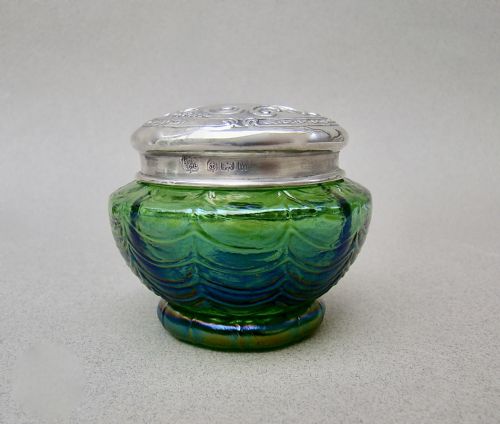
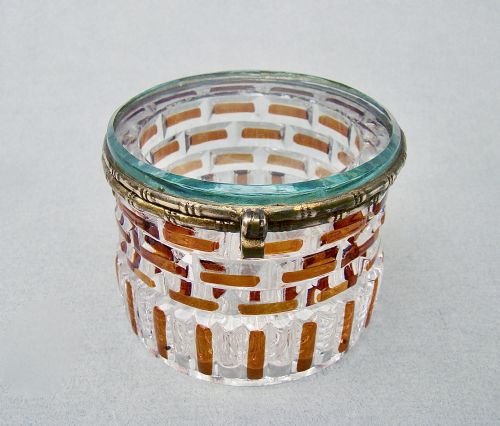
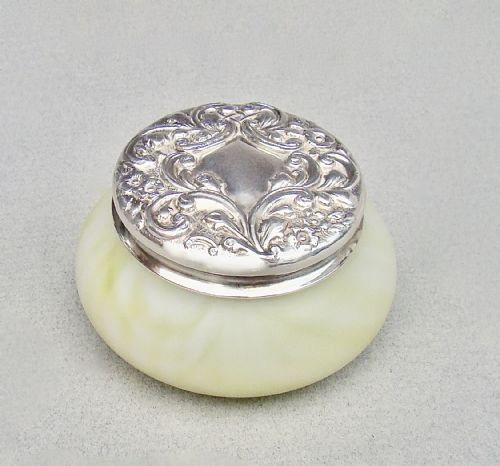
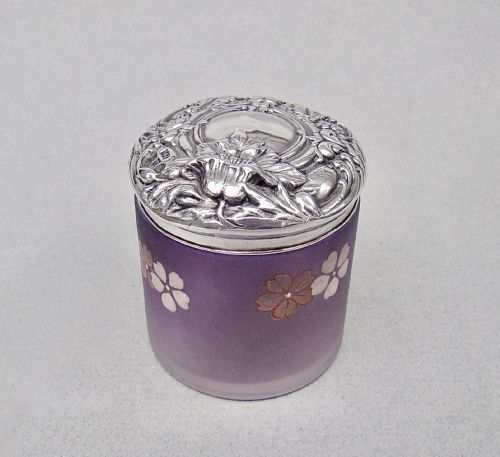
Vessels emerge in diverse forms, from cut crystal and satin glass to coloured Bristol blue, cranberry, and amber bodies. Many examples combine glass containers with fitted sterling silver, enamel, or tortoiseshell lids.
How they were made
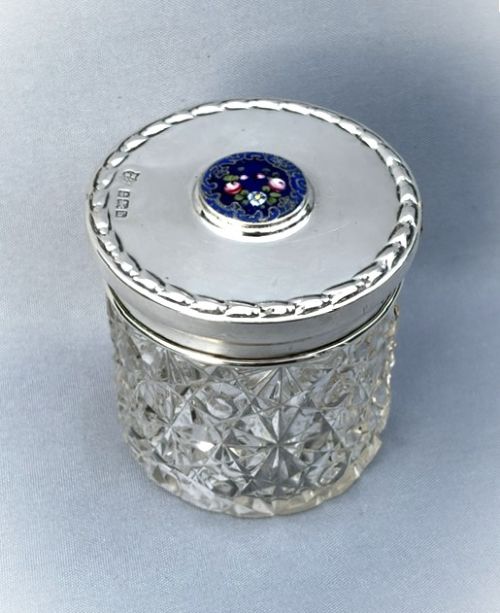
Makers utilised free-blown, moulded, or heavily cut crystal and glass for the base vessels, occasionally adding overlay or frosted finishes. Coloured variants incorporate cranberry, amber, and blue glass formulations characteristic of the nineteenth and early twentieth centuries.
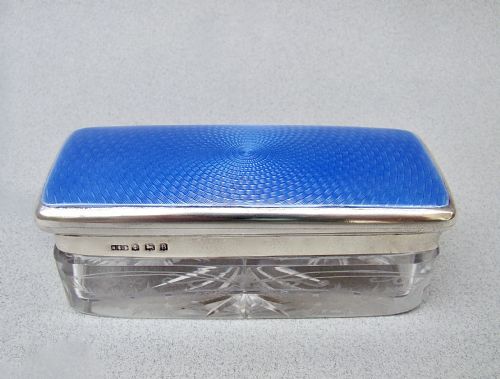
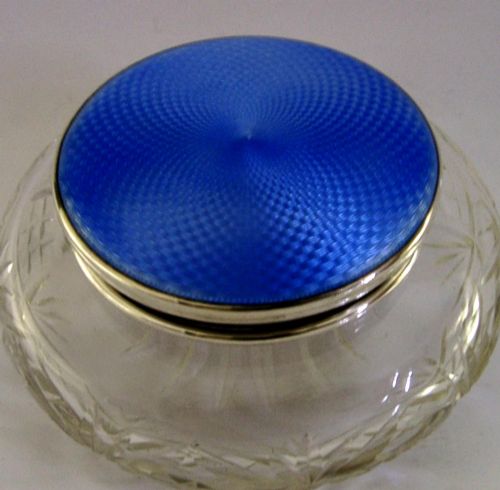
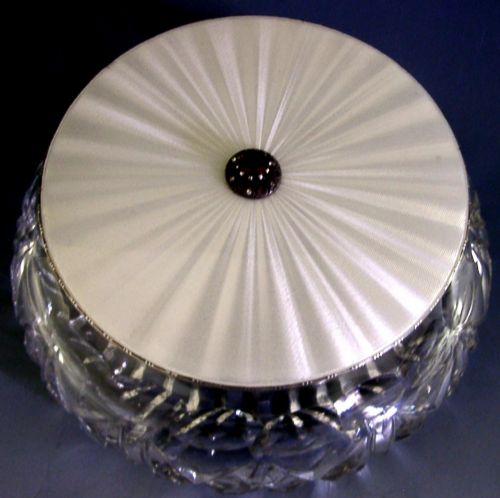
Lids and mounts combine sterling silver with guilloché, blue, pink, or white enamel work, alongside tortoiseshell inserts. Metal components frequently bear hallmarks from assay offices in Birmingham, Chester, and London.
Listings span Georgian, Victorian, Edwardian, and Art Deco periods, incorporating sterling silver, cranberry glass, guilloche enamel, and tortoiseshell.
What varies in quality
The standard of an antique glass trinket pot depends on the crispness of the glass cutting and the precision of the metal mounts. Heavy cut crystal and well-balanced proportions separate standard utilitarian jars from finer dressing table accessories.
Artistry in the lid treatment defines superior examples, particularly where hand-applied guilloché enamel or intricate silver mountings are present. Maker attributions and intact, undamaged glass bodies elevate individual pieces.
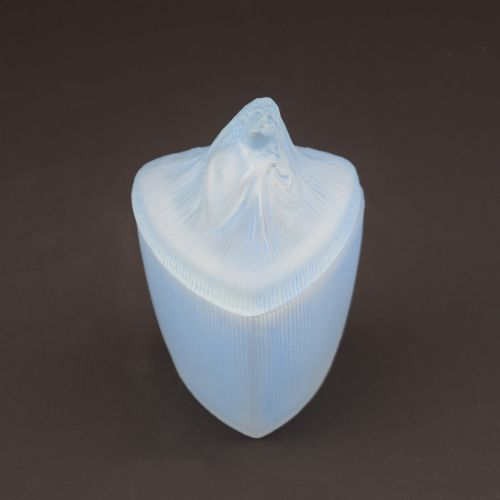
A. J. Pepper & Co·Henry Clifford Davis·A. Bromet & Co·Rene Lalique·Jonathan Douglas
The Antique Glass Trinket Pot Glossary
- Guilloche enamel
- Decorative metalwork covered with translucent enamel over an engine-turned geometric pattern. This technique appears frequently on Edwardian and Art Deco silver-lidded jars.
- Cut crystal
- High-clarity glass shaped by deep mechanical or hand wheel-cutting to create faceted patterns. It provides weight and sparkle to vanity jars and boxes.
- Sterling silver
- An alloy containing ninety-two point five percent silver by mass, standard for English trinket box lids and mounts. Hallmarks stamped into the metal indicate the year and place of assay.
- Satin glass
- Glass treated with hydrofluoric acid to produce a velvety, matte surface texture. It occurs on select Edwardian lidded containers.
Antique Glass Trinket Pot: Frequently Asked Questions
What were glass trinket pots used for?
These jars held pins, rings, cosmetics, and powder on dressing tables in nineteenth and twentieth-century bedrooms.
They kept small personal items organised and protected while adding a decorative element to domestic furniture.
How do I identify an Edwardian glass trinket box?
Edwardian examples often feature sterling silver lids bearing Birmingham or Chester hallmarks from the first decade of the twentieth century.
The glass bodies typically display cut crystal, satin finishes, or cranberry hues popular during that reign.
Are Art Deco trinket jars different from Victorian ones?
Art Deco pieces from the nineteen twenties and thirties use geometric guilloché enamel and streamlined cut glass shapes.
Victorian jars tend toward richer colours like Bristol blue and cranberry with more ornate silver mounts or enamel detailing.
How should I clean a silver-lidded glass jar?
Dust the glass gently with a soft cloth and avoid submerging pieces with fitted enamel or tortoiseshell lids in water.
Polish the sterling silver mounts carefully using a dedicated cloth while keeping chemical cleaners away from the glass and enamel surfaces.