


Antique Glass Tray Table
These antique glass tray table pieces combine polished wood frames with removable serving surfaces for practical entertaining.
Antique Glass Tray Table
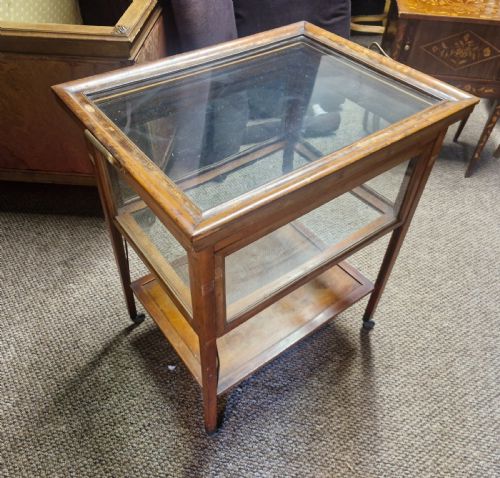
An antique glass tray table combines a supportive timber stand with a removable or integrated glass surface, serving both display and functional roles in period rooms. The selection includes occasional tables, tea trolleys, and etageres that incorporate mirrored or cut glass inserts.
Most examples originate from the Victorian and Edwardian eras, alongside later Art Deco designs. Buyers encounter occasional tables with tray tops alongside etageres and drinks display cabinets featuring glass surfaces.
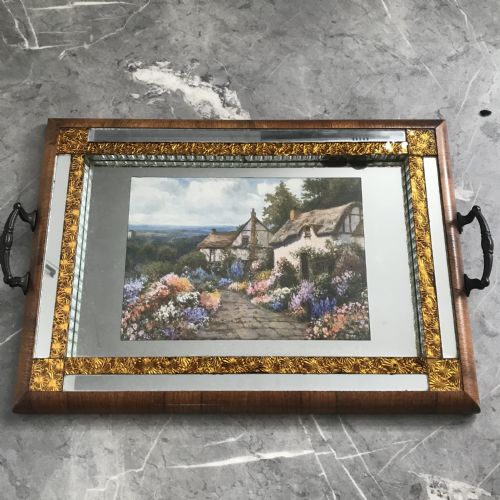
The form bridges the gap between static furniture and portable serveware, allowing a tray to be lifted directly from its stand. Timber frames in mahogany, walnut, and satinwood frequently house the glass or mirror panels.
How they were made
Makers combined cabinet-making timber frames with specialised glasswork, utilising mahogany, walnut, and satinwood for the structural stands. Brass handles, silver plate mounts, and veneer work frequently accent the main timber body.
Glass elements range from plain mirror plates to cut glass dishes and etched surfaces, secured within wooden or metal rims. Joinery methods reflect standard period cabinet practice, ensuring rigid support for the heavy glass or mirrored trays.
Materials recorded across the selection include mahogany, walnut, satinwood, brass, silver plate, and mirror glass.
What varies in quality
The sophistication of the timber veneer and the clarity of the mirror or cut glass define the upper tier of pieces. Elaborate framing, such as French Rococo Revival carving or fine satinwood inlay, separates standard utility items from finer display furniture.
The integration between the tray and the underlying stand dictates daily utility, with tighter tolerances and sturdier joints commanding greater appreciation among collectors.
The Antique Glass Tray Table Glossary
- Etagere
- A tiered piece of furniture designed for displaying small objects or serving items. These open shelves often incorporate mirrored glass surfaces.
- Tray top occasional table
- A small, movable table featuring a raised rim around the upper surface to contain items. This design allows the top to function as a removable tray.
- Plateau
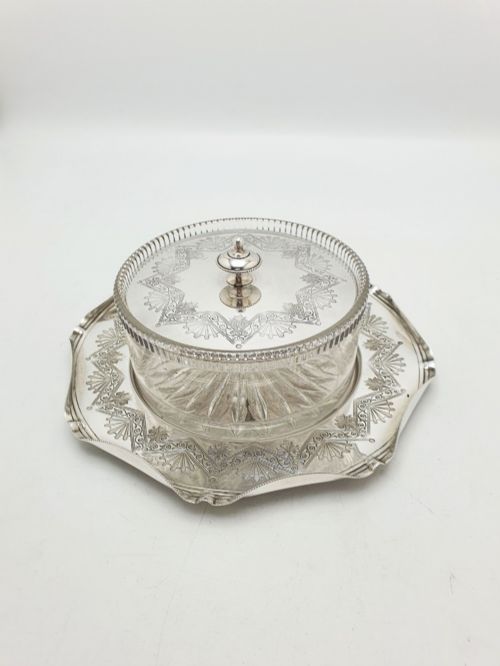
- A mirrored table centrepiece traditionally used to reflect candlelight and display silver or glass object sets. Victorian examples often feature heavy silver plated mounts.
- Walnut veneer
- A thin layer of walnut wood applied to a secondary timber base for decorative effect. Art Deco and Colonial pieces frequently employ this technique on display tables.
Antique Glass Tray Table: Frequently Asked Questions
How are antique glass tray tables cleaned?
Glass surfaces require gentle wiping with standard glass cleaner applied to a cloth rather than sprayed directly, protecting the surrounding timber frame.
Wooden elements benefit from occasional waxing with appropriate furniture polish to maintain the finish without accumulation.
Can the trays be lifted off safely?
Many Edwardian and Victorian occasional tables feature removable trays designed for carrying drinks or serving items.
Certain etageres and display cabinets integrate the glass surface firmly into the frame, preventing safe removal during use.
What woods were used for the frames?
Mahogany and walnut appear frequently across Victorian and Edwardian examples, often enhanced with satinwood inlay or contrasting veneer.
Alternative constructions utilise brass mounts and silver plate to complement the central glass elements.
How do I identify an Edwardian tray table?
Edwardian pieces often display lighter timber tones, refined satinwood crossbanding, and restrained decorative carving compared to earlier Victorian furniture.
Proportions tend to prioritise slender legs and practical surface areas suited to formal tea service.