



Antique Glass Top Bookcase
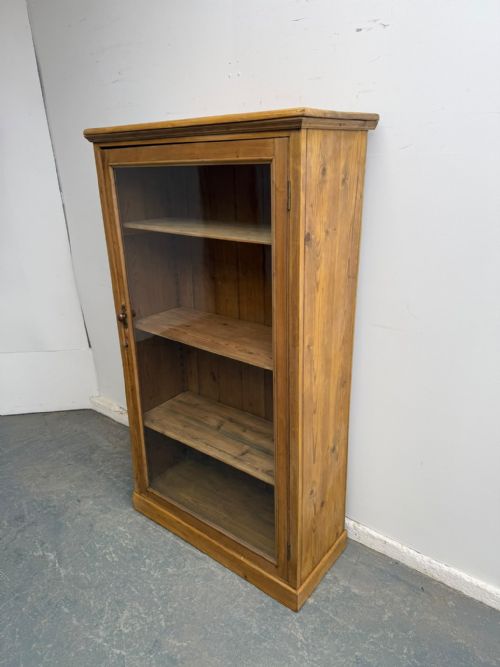
An antique glass top bookcase combines practical shelving with a glazed display section, offering a traditional way to store and show volumes.
Antique Glass Top Bookcase
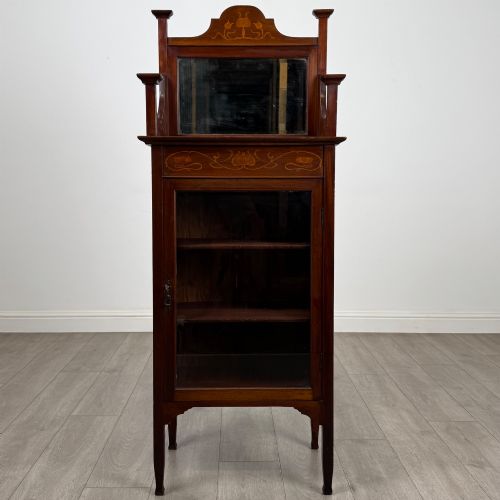
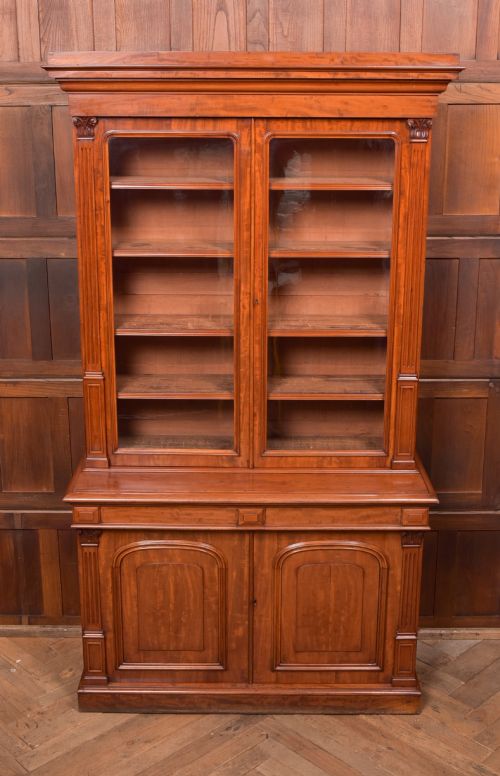
When searching for an antique glass top bookcase, buyers encounter a variety of forms that merge book storage with display elements. These pieces range from Georgian secretaire bookcases to Edwardian inlaid cabinets and Victorian glazed top bookcases.
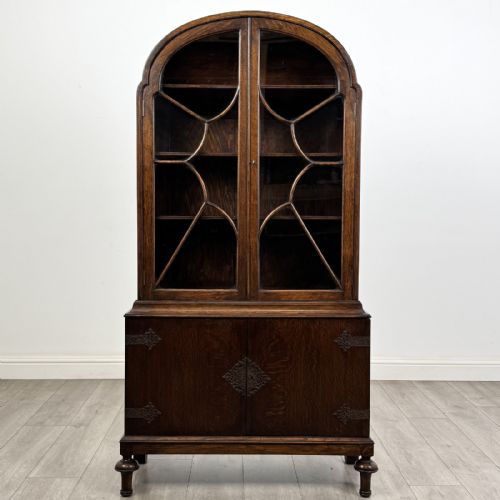
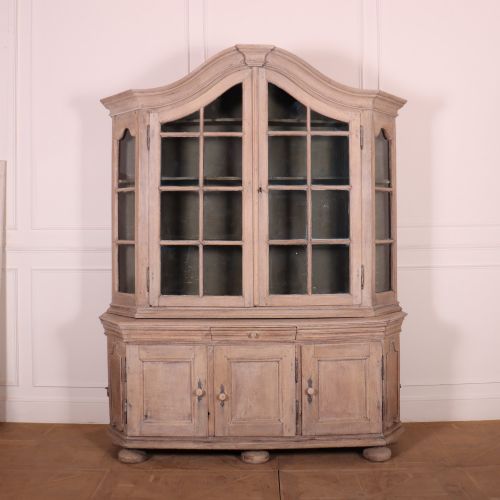
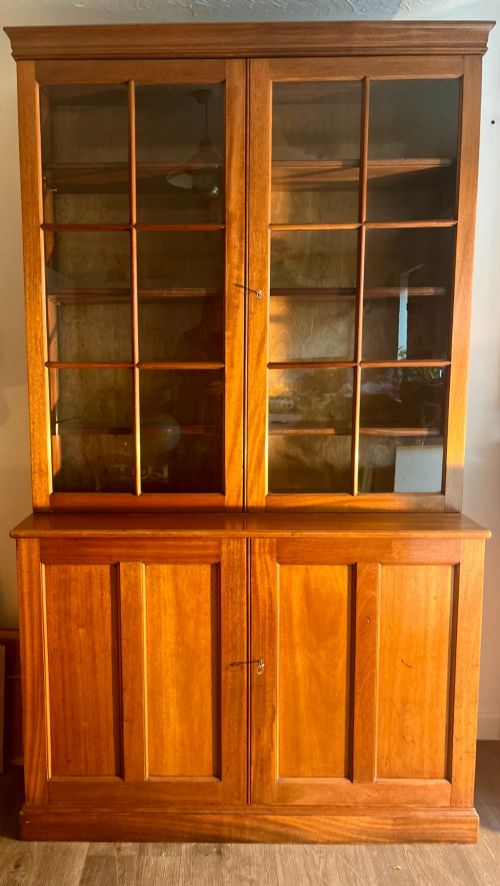
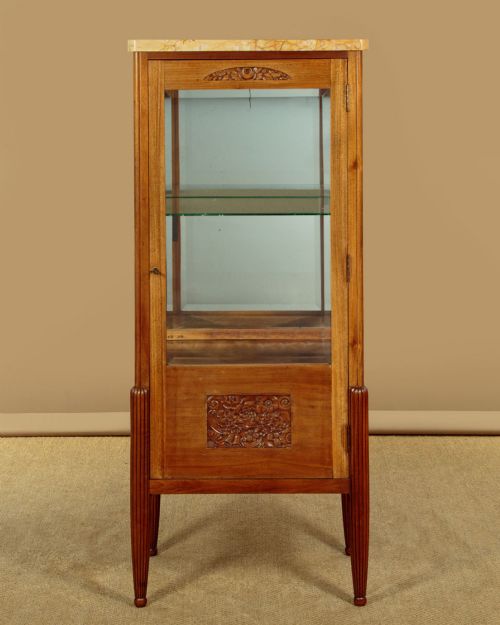
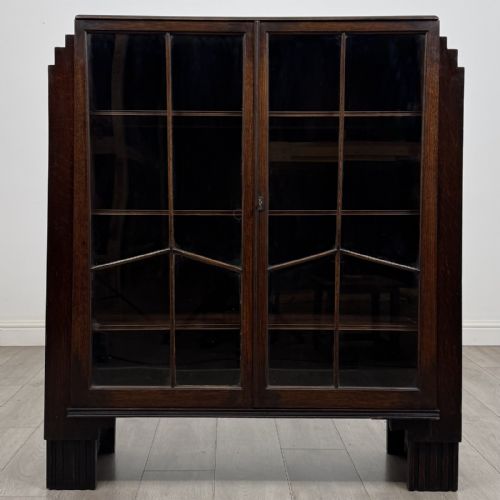
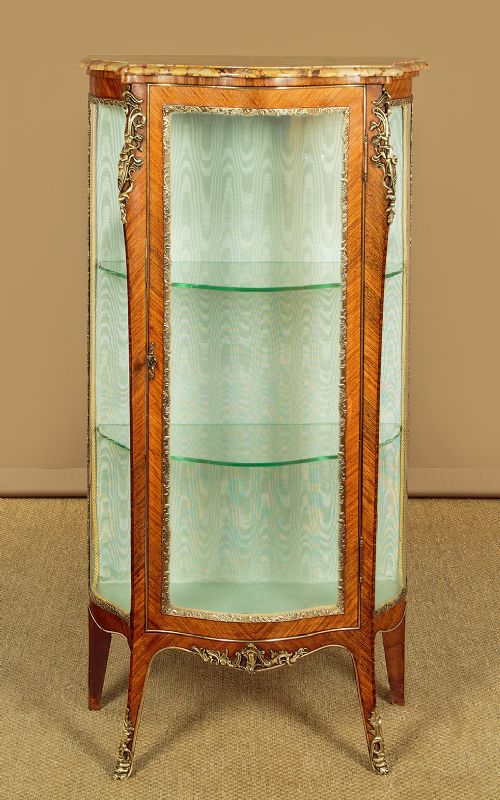
The versions most commonly met on this page include tall upright bookcases with glazed upper doors, vitrines, and bureau bookcases that incorporate sloping desks. Materials span from mahogany and oak to walnut and kingwood.
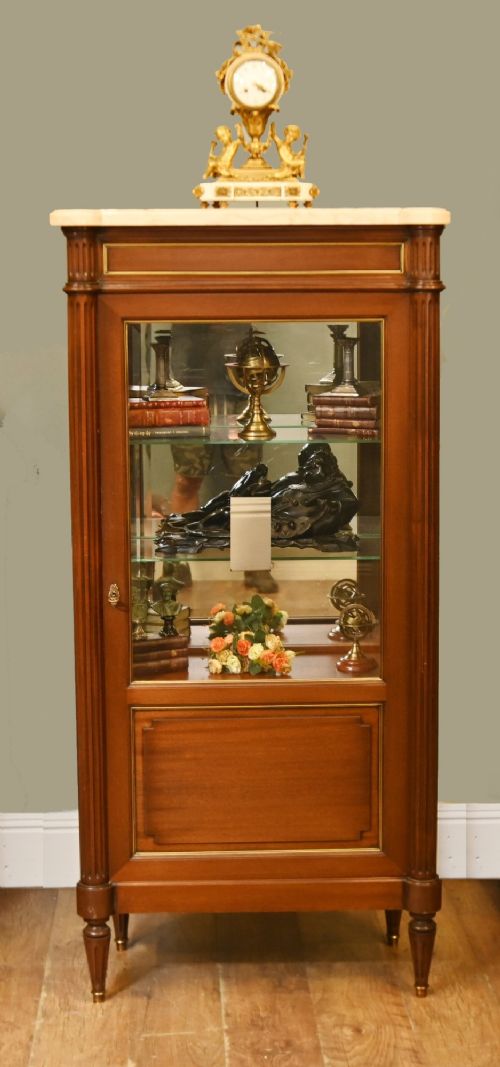
Origins stretch across English workshops, Welsh country pieces, and continental European examples in styles such as Louis XV, Art Deco, and Regency. Each piece provides visible storage behind glass alongside lower wooden cupboards or drawers.
How they were made
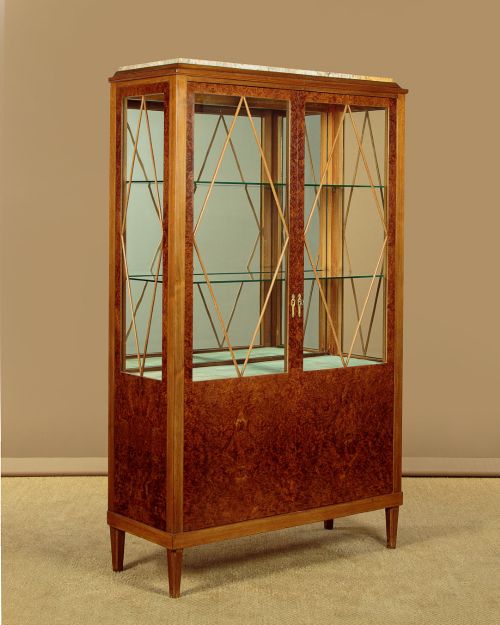
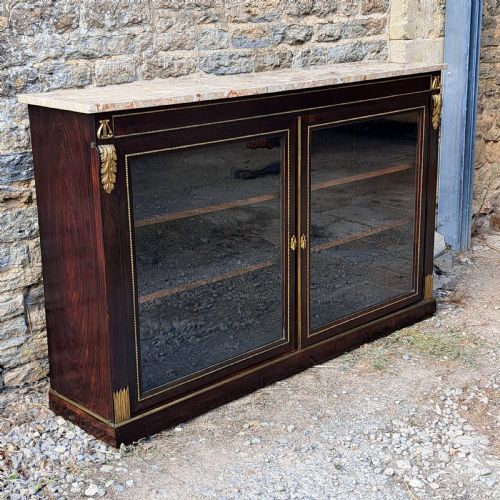
Cabinet makers utilised dense timber foundations of mahogany, oak, walnut, and rosewood, frequently applying finer veneers like kingwood and satinwood to external surfaces. Marquetry inlay, brass mounts, and ormolu details further enriched the construction of continental and English pieces.
Glazing techniques required individual panes of glass held within wooden or lead lattice frames to form the upper cabinet doors. Marble tops occasionally featured on French vitrines and side cabinets, adding a heavy stone surface to wooden carcases.
Antique Glass Top Bookcase Retail Price Guide 2026
Typical asking prices for glass top bookcase among the pieces listed under this phrase on Sellingantiques today, from the lower quarter to the upper quarter. They describe what is for sale here now, not the wider market.
Listings feature pieces spanning the eighteenth, nineteenth, and twentieth centuries, incorporating materials such as marble, brass, lead, and various hardwoods.
What varies in quality
The calibre of an antique glass top bookcase rests on the selection of timber veneers and the precision of joinery within the carcase and shelving. Finely figured walnut, detailed marquetry, and heavier solid mahogany distinguish higher grade pieces from simpler regional furniture.
Hardware selection and decorative elements also separate standard examples from finer work. Hand-cut brass mounts, well-executed ormolu, and balanced proportions in styles like Louis XV or Adams indicate greater workshop skill.
Paul Sormani·Maison Krieger
The Antique Glass Top Bookcase Glossary
- Vitrine
- A glass-fronted display cabinet intended for the exhibition of porcelain, curiosities, or fine books. These pieces often feature glass on the sides as well as the doors.
- Secretaire bookcase
- A tall piece incorporating a pull-down writing drawer or flap concealed within the upper section of drawers. This fold-down desk sits below the glazed bookcase upper.
- Ormolu
- Gilt-bronze mounts applied to the exterior of furniture, particularly popular on French pieces from the nineteenth century. It provides decorative contrast against kingwood and walnut veneers.
- Marquetry
- The art of applying pieces of veneer to a structure to form decorative patterns and pictures. Craftsmen utilised various coloured woods to create floral or geometric designs on cabinet doors.
Antique Glass Top Bookcase: Frequently Asked Questions
What is an antique glass top bookcase?
An antique glass top bookcase is a piece of furniture designed with glazed upper doors or sections above lower wooden storage. It serves to protect books and display objects from dust while keeping them visible.
These items appear in various styles from the Georgian, Victorian, and Edwardian periods, utilising timbers such as mahogany, oak, and walnut.
How do I identify a Victorian glazed bookcase?
Victorian glazed bookcases typically feature substantial timber frames in mahogany or oak with large glass panes set into the upper doors. They often include lower wooden cupboards or drawers beneath the display area.
Construction from this era relies on heavier timber scantlings and straightforward traditional joinery compared to lighter Edwardian or heavily ornamented continental pieces.
Where were these bookcases made?
These bookcases originate from English workshops, Welsh rural areas, and continental European centres such as France and the Netherlands. Regional differences appear in timber choice, such as Welsh oak or French kingwood.
Workshop traditions varied from local country cabinet makers to high-end Parisian firms producing pieces with ormolu mounts and intricate marquetry.
How do I care for a mahogany bookcase?
Care for a mahogany bookcase involves placing the furniture away from direct sunlight and severe temperature fluctuations to protect the timber and veneer. Regular dusting with a soft dry cloth maintains the polished surface.
Avoiding excessive moisture and applying appropriate wax polish occasionally helps preserve the finish on older hardwood surfaces.