




Antique Glass Spirits Pitcher
An antique glass spirits pitcher is a table vessel for serving drinks, combining utility with period craftsmanship.
Antique Glass Spirits Pitcher
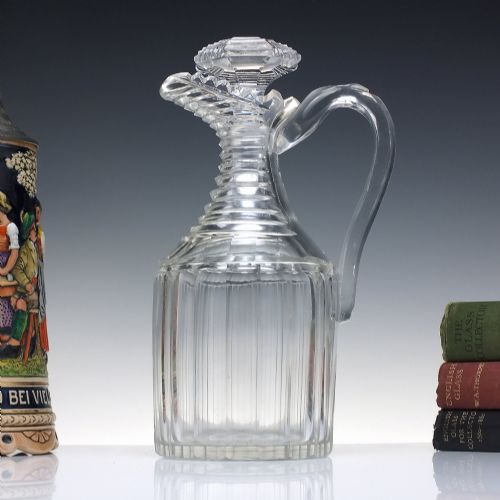
When you search for an antique glass spirits pitcher, you encounter vessels designed to hold whisky, claret, cider, and other spirits at the table. The listings on this page include decanters, ewers, and whisky jugs dating from the nineteenth and early twentieth centuries.
The versions you are most likely to meet on this page span Victorian, Edwardian, and George V periods. Forms range from traditional cut glass ewers and amber glass claret jugs to novelty animal shapes and matched silver-mounted sets.
Makers and origins represented here stretch across Britain, France, Bohemia, Scandinavia, and Germany. Each piece reflects the barware and dining traditions of the late nineteenth and early twentieth centuries.
How they were made
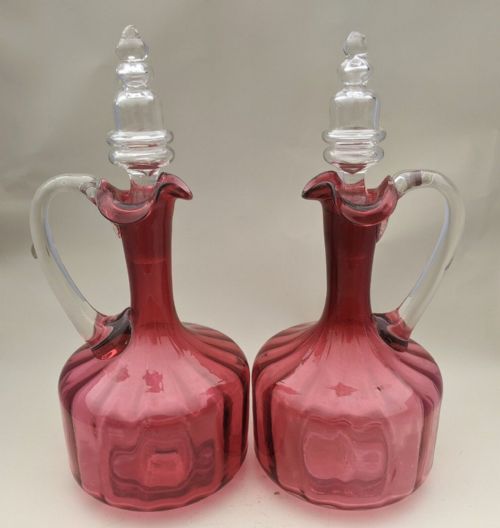
The materials recorded in these pieces rely on hand-blown glass, clear glass, amber glass, cranberry glass, and crystal. Artisans shaped these materials using traditional glassblowing techniques to achieve distinct coloured and clear bodies.
Metal mounts and matching labels in sterling silver frequently complement the glass vessels. Metalwork frames and handles secure the pourers, often bearing hallmarks or mounts specific to Edwardian and Victorian manufacturing methods.
Cut glass decoration provides faceted surfaces across many of the bodies. Skilled lapidaries cut geometric and decorative patterns directly into the thick glass walls.
Antique Glass Spirits Pitcher Retail Price Guide 2026
Typical asking prices for glass spirits pitcher among the pieces listed under this phrase on Sellingantiques today, from the lower quarter to the upper quarter. They describe what is for sale here now, not the wider market.
The listings show pieces spanning the Victorian, Edwardian, and George V periods, featuring clear, amber, cranberry glass, and sterling silver.
What varies in quality
Quality separates simple production items from finer tablewares through the clarity of the glass and the crispness of the cutting. Deeper, more precise wheel-cut facets reflect light more clearly than softer moulded patterns.
The integration of sterling silver mounts and fitted labels affects the standing of a piece. Hallmarked silver work that fits the glass collar snugly demonstrates higher craftsmanship than loose or plain metal attachments.
Unusual forms and specific regional origins elevate certain examples above standard domestic barware. Novelty designs and signed continental pieces introduce distinct artistic merit to the range.
The Antique Glass Spirits Pitcher Glossary
- Ewer
- A large jug with a wide spout and handle used for serving liquids. These vessels often feature decorative glass bodies and metal mounts.
- Decanter
- A stoppered glass bottle used for holding and serving wine or spirits. Examples range from simple clear bodies to heavily cut crystal designs.
- Claret jug
- A specific vessel designed for serving red wine, typically fitted with a hinged metal lid and handle. Many incorporate amber or clear glass.
- Tot
- A small drinking measure or glass often paired with a matching label. These miniature vessels accompany larger spirits jugs on the table.
- Cranberry glass
- A rich red-pink transparent glass created by adding gold chloride to the molten batch. This distinctive material appears frequently in nineteenth-century decorative barware.
Antique Glass Spirits Pitcher: Frequently Asked Questions
How were these pitchers used?
These vessels were utilised in domestic settings to serve spirits, wine, and cider during meals and evening gatherings. Hosts used them to transfer drinks from storage bottles to the dining table.
Many included matched silver labels to identify the contents, such as whisky, ensuring guests knew what was being poured from the jug or ewer.
How do I date an antique spirits pitcher?
Dating relies on stylistic clues, materials, and any accompanying silver hallmarks. Pieces from the Edwardian and George V eras often display lighter, cleaner silhouettes, while Victorian examples can be heavier with dense cut glass.
Silver mounts frequently carry hallmarks that provide precise years of manufacture. Regional styles, such as Art Nouveau curves or Bohemian glass techniques, also point to specific decades around nineteen hundred.
How do I care for antique glass barware?
Care requires gentle hand washing in lukewarm water with mild soap. Avoid sudden temperature changes to prevent thermal shock and potential cracking in aged glass.
Silver mounts should be polished carefully with a soft cloth while avoiding contact with the glass surface. Storing them away from direct sunlight preserves the rich tones of amber and cranberry glass.