


Antique Glass Hand Lamp
An antique glass hand lamp brings portable illumination to a room, combining tactile blown or moulded vessels with functional metal mounts.
Antique Glass Hand Lamp
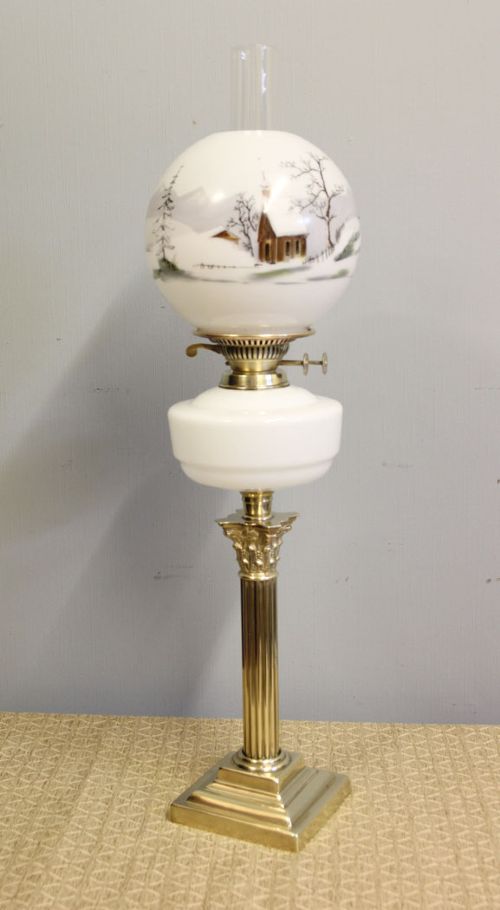
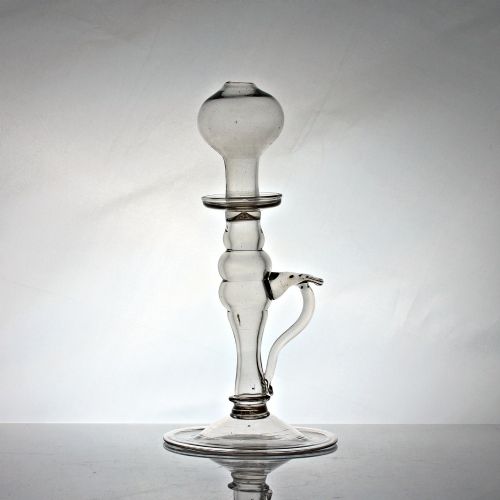
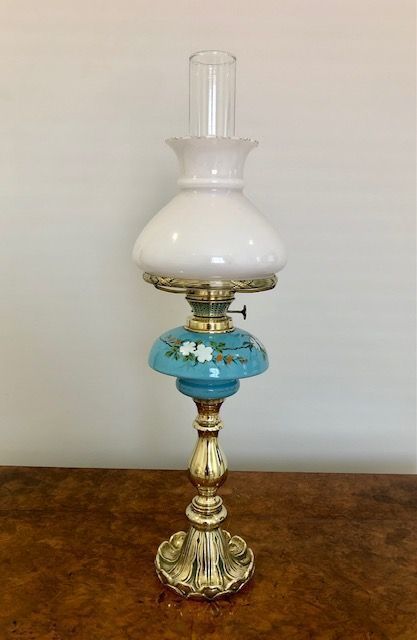
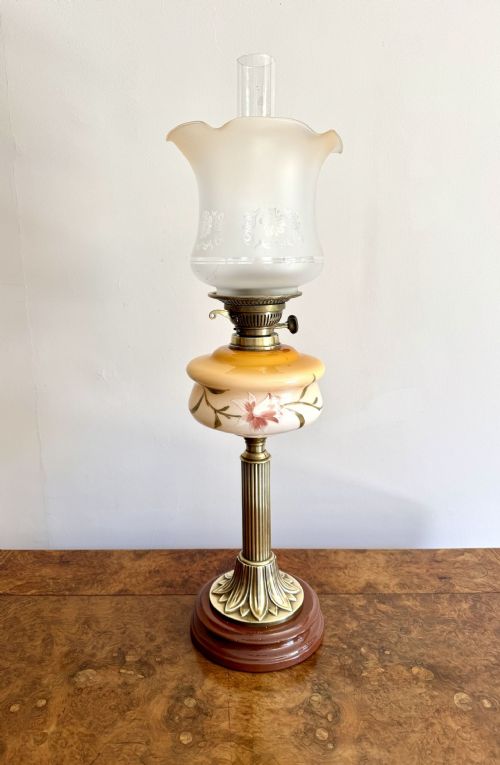
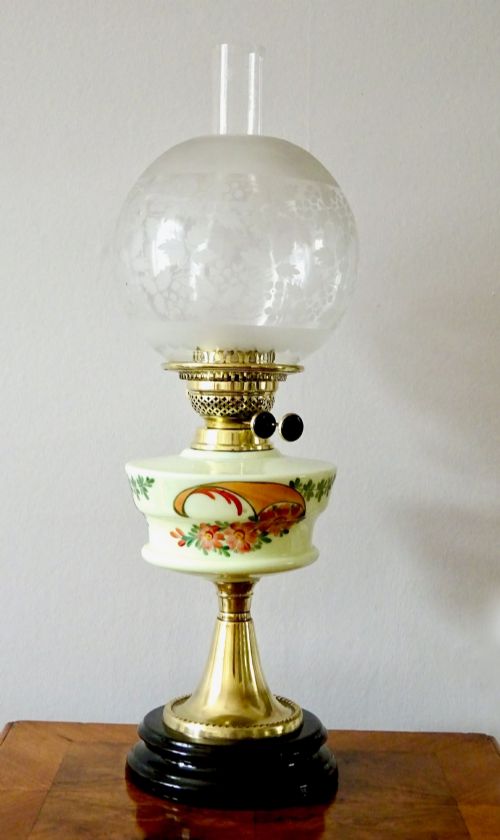
An antique glass hand lamp is a portable lighting vessel designed to be carried or set down upon a surface, appearing in forms ranging from Georgian tall glass oil lamps with applied handles to Victorian finger lamps and Edwardian table designs.
The pieces on this page span the eighteenth, nineteenth and early twentieth centuries, drawing upon Georgian, Victorian, Edwardian, Art Nouveau and Art Deco styles.
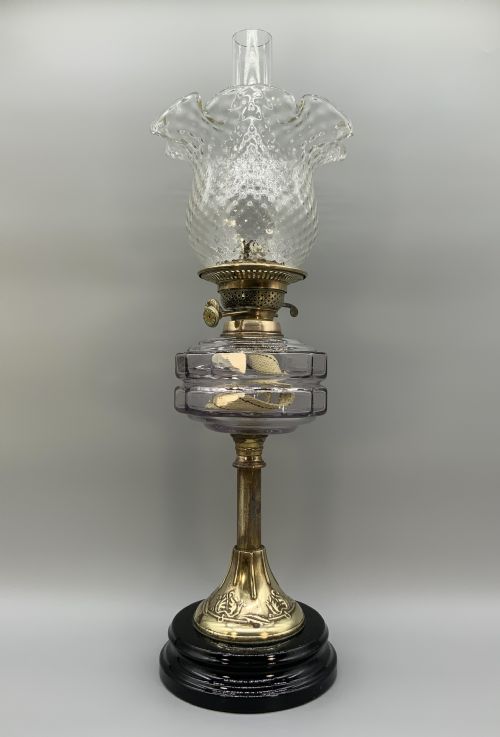
Makers and manufacturers utilised glass fonts paired with brass, ceramic, wrought iron and copper to create both utilitarian lighting and decorative household objects.
Materials and Construction
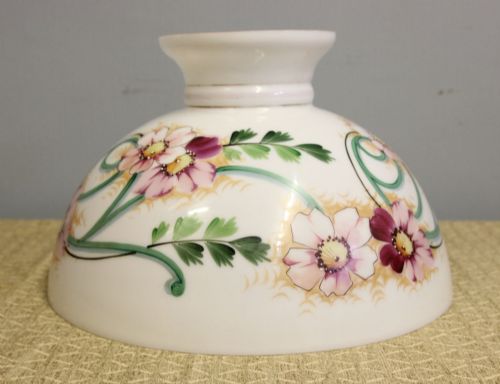
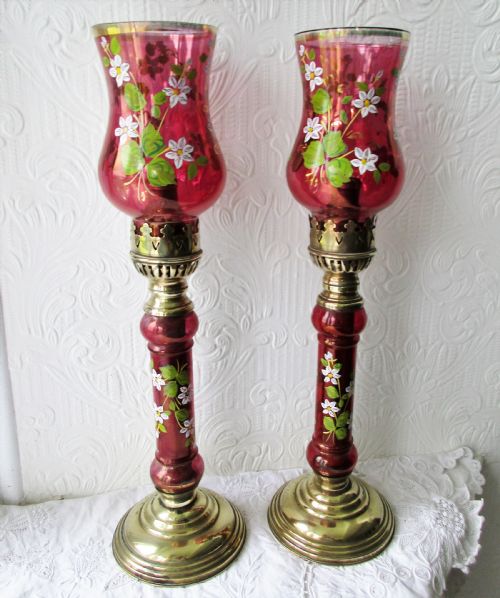
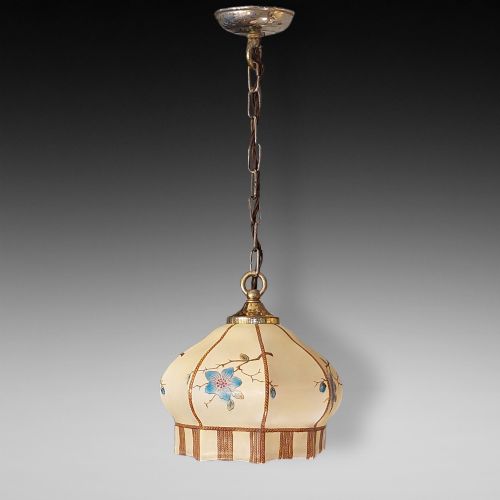
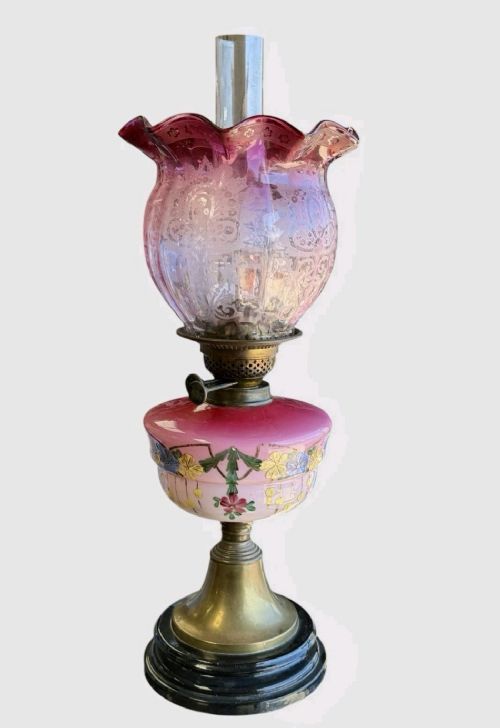
Craftsmen shaped vessels through hand-blowing and moulding, producing clear glass, opaline glass, milk glass and rich cranberry glass, often enhanced by hand-painted motifs, enamel or gilt decoration.
Metal components such as brass, bronze and wrought iron provide structural stability, frequently forming decorative bases, Corinthian columns or collars to hold burners and chimneys.
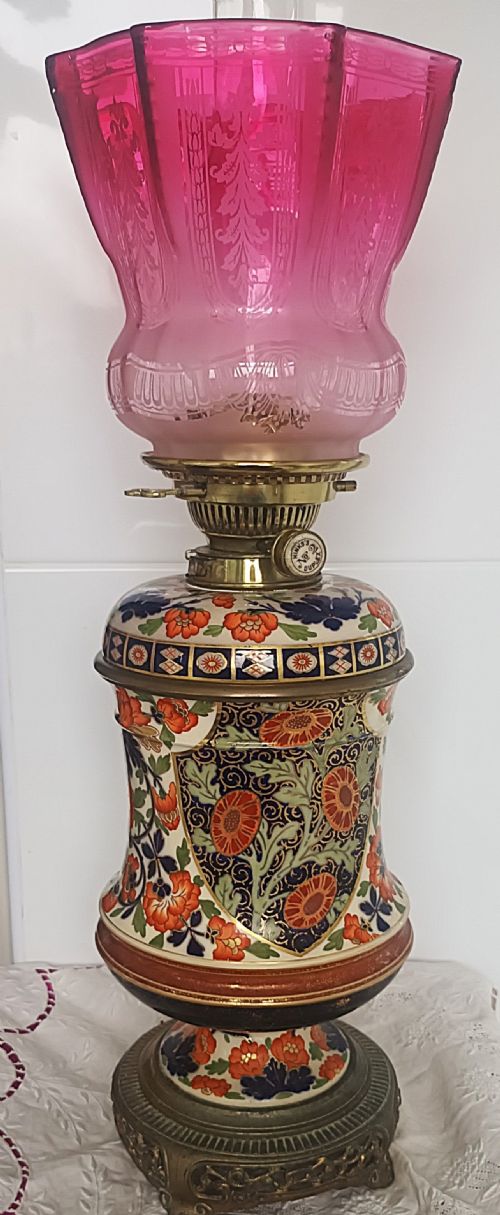
Many examples combine materials by mounting glass fonts onto ceramic or metal pedestals, or incorporating applied glass handles directly onto the fuel reservoir for portability.
Some past lamps were built for the church rather than the parlour, designed to cast a sacred glow over processional duties.
Evaluating Quality and Execution
The sophistication of the glasswork dictates much of the merit, distinguishing simply moulded vessels from hand-blown glass featuring incised twists, layered flash colours or delicate hand-painted enamel scenes.
The integration of materials also defines the tier of the piece, where heavier cast brass mounts, precise chasing, and well-fitted original burners or matching shades indicate superior workshop output.
Hinks·Taylor Tunnicliff·Daum
The Antique Glass Hand Lamp Glossary
- Font
- The reservoir container that holds the oil or paraffin fuel, typically fashioned from glass, ceramic or metal.
- Finger lamp
- A smaller portable oil lamp featuring an applied side handle for carrying the light by hand from room to room.
- Opaline glass
- An opaque or translucent pale glass developed during the nineteenth century, frequently tinted in soft pinks, blues or whites.
- Cranberry glass
- A rich red-pink transparent glass coloured with gold chloride, popular throughout the Victorian period for lamp fonts and shades.
- Corinthian column
- A classical architectural column style with ornate acanthus leaf capitals, frequently cast in brass to form the stem of larger nineteenth-century lamps.
Antique Glass Hand Lamp: Frequently Asked Questions
How can I tell a Victorian lamp from a Georgian one?
Georgian lamps often feature simpler, heavier proportions with clear glass, incised twists or applied handles suited to early tallow or oil burning. Victorian examples introduce vibrant colours like cranberry and opaline, alongside more ornate brass bases and painted decoration.
Looking at the burner mechanism and collar construction also helps, as Victorian and Edwardian manufacturers standardised many mechanical parts that did not exist in the eighteenth century.
Were these lamps meant to be carried or set on tables?
Smaller lamps equipped with an applied loop handle were specifically designed as finger lamps to be carried safely by hand through dark corridors. Larger examples with heavy brass columns or ceramic pedestals were intended to remain stationary on tables and mantelpieces.
Examine the base and handle configuration to understand the original intended function of the specific piece.
What is a duplex burner on these lamps?
A duplex burner uses two flat wicks running parallel to each other, producing a significantly brighter flame than a single-wick burner. This mechanism became common during the Victorian period to improve household lighting.
Finding a lamp with its original duplex burner intact adds considerable interest for collectors of lighting history.