
Antique Glass Curio
An antique glass curio protects small treasures behind glazed doors, bringing French revival elegance and Edwardian mahogany craftsmanship into the home.
Antique Glass Curio
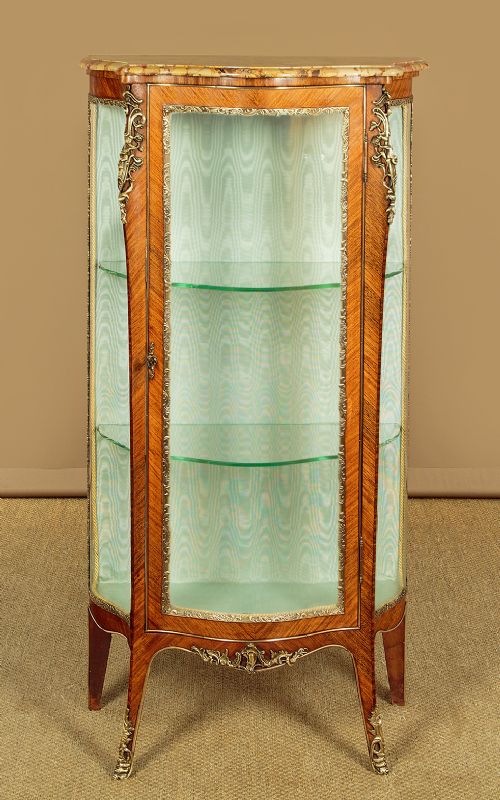
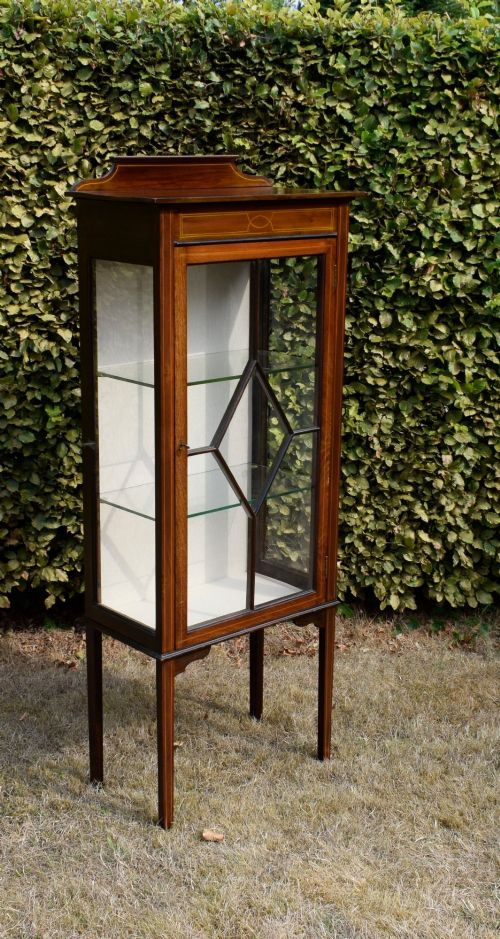
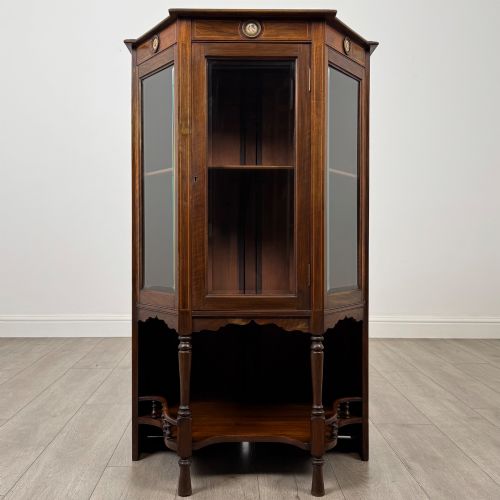
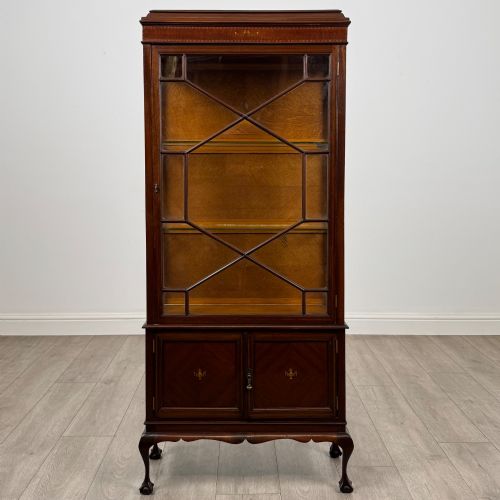
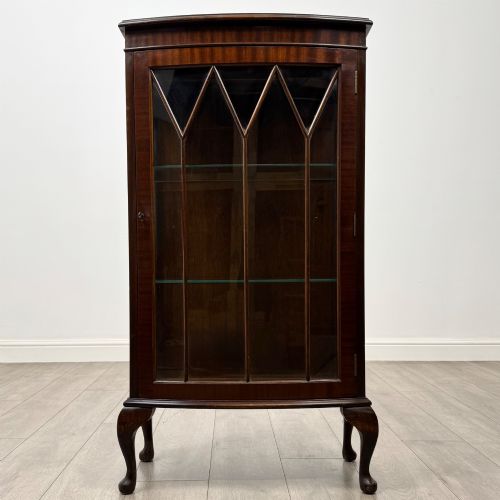
An antique glass curio encompasses glazed display cabinets, tall vitrines, and low table-height bijouterie pieces designed to showcase small collections. These items emerge predominantly from the Victorian, Edwardian, and early twentieth century periods, spanning from about eighteen eighty to nineteen thirty.
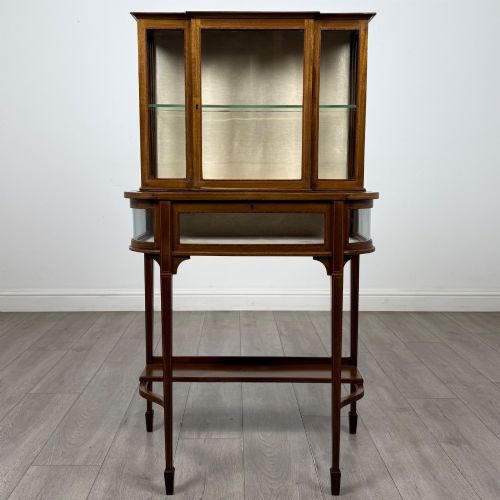
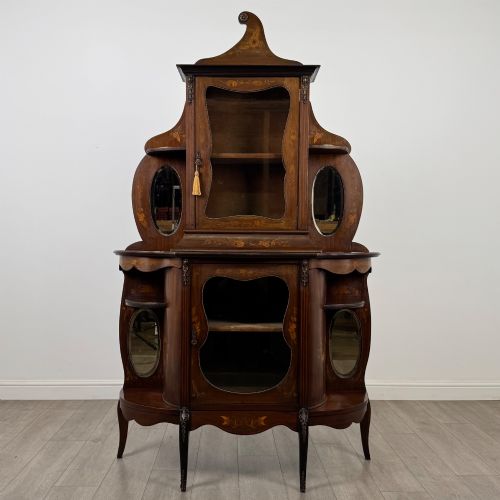
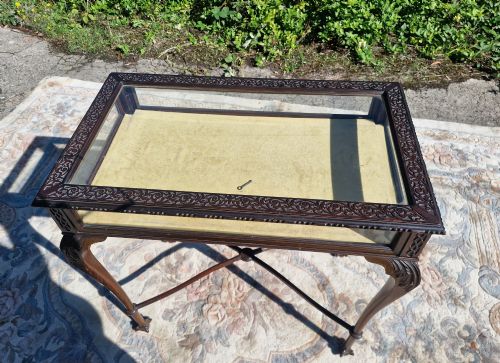
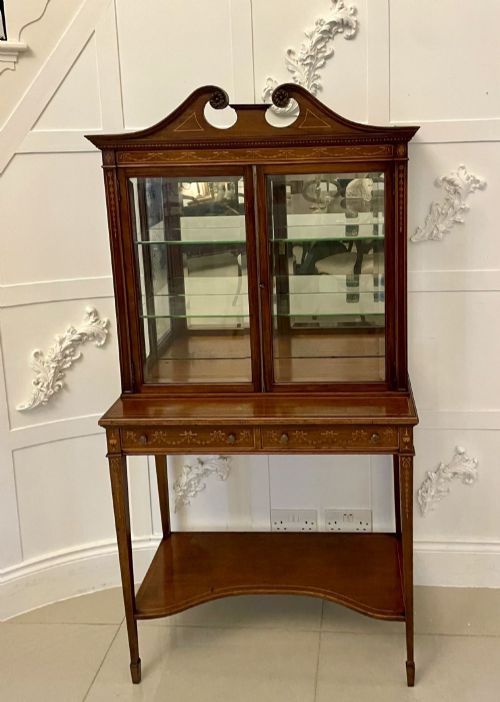
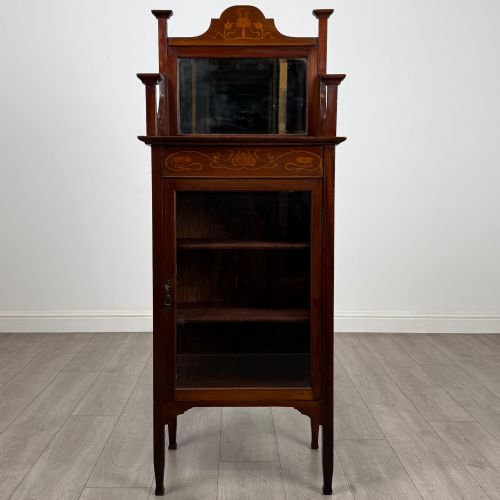
The most common examples on this page are Edwardian mahogany display cabinets featuring delicate inlaid woodwork and glazed doors. Alongside these stand French-influenced vitrines and serpentine or oval bijouterie tables topped with glass for viewing objects from above.
Materials and construction techniques
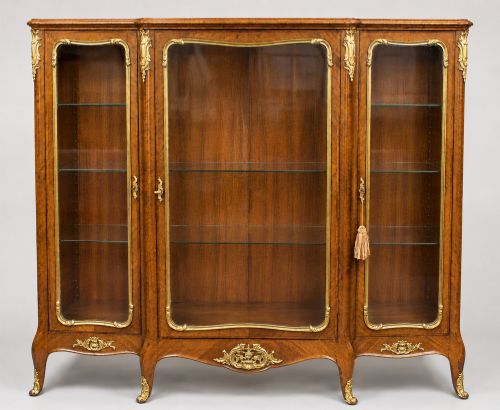
Cabinet makers utilised solid timbers such as mahogany and walnut, frequently applying kingwood and satinwood veneers or marquetry inlay to enrich the surfaces. Glazed panels are framed within timber doors, sometimes shaped with serpentine fronts or bow-ended profiles.
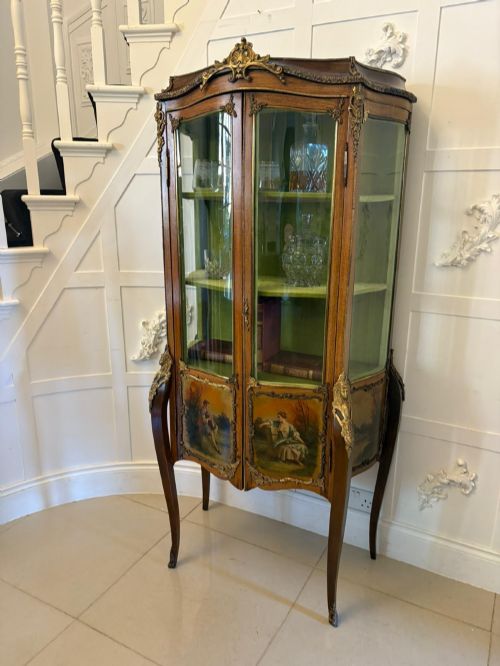
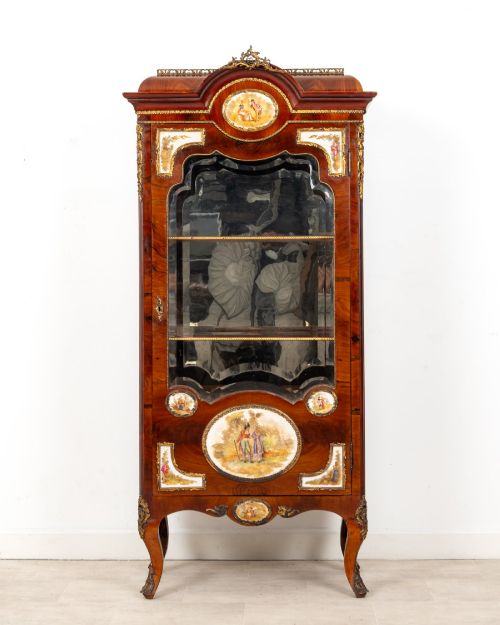
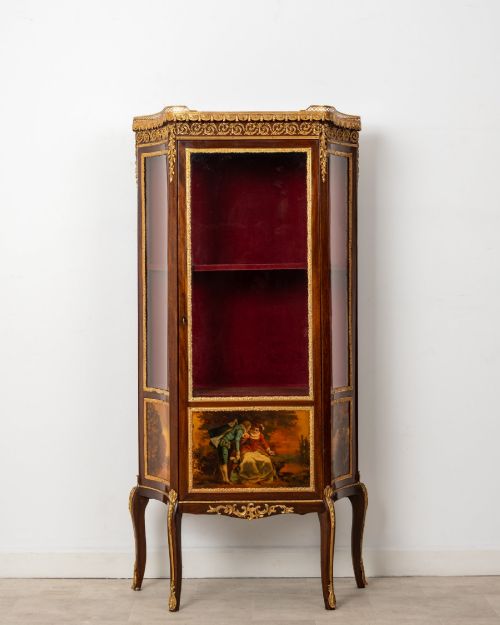
High status pieces incorporate cast or gilt bronze ormolu mounts, marble table tops, and painted Vernis Martin panels. Interior arrangements often rely on adjustable glass shelves to reflect light through the display chamber.
Some display tables open their glass lids to reveal velvet beds once touched only by gloved fingers.
Distinctions in construction and design
The standard of a curio rests upon the crispness of its woodwork, the depth of its marquetry, and the finesse of its cast bronze or ormolu mounts. Finer examples display meticulous hand-carving and carefully matched wood grains across serpentine or bow-front doors.
Attribution to documented makers or specific design houses elevates an item, distinguishing standard commercial production from bespoke cabinet making. The integration of specialty materials like marble tops and painted panels further separates basic display furniture from elaborate reception room vitrines.
H. J. Hatfield & Sons·Edwards & Roberts·Shapland and Petter·François Linke
The Antique Glass Curio Glossary
- Vitrine
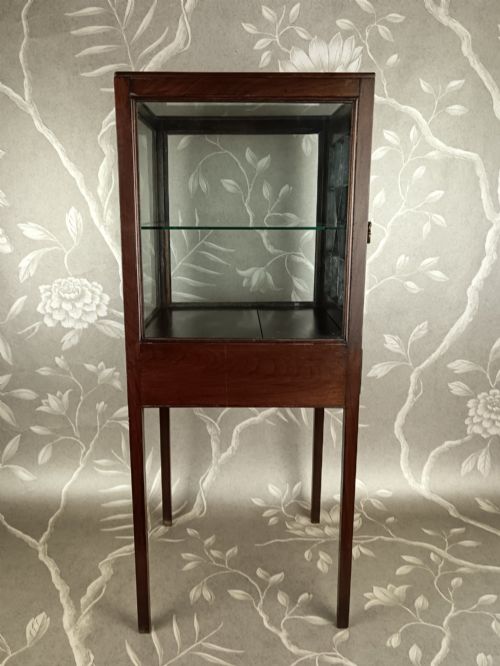
- A glass-fronted display cabinet used for showing porcelain, curiosities, and small decorative objects. These tall cases often feature glazed side panels to maximise light.
- Bijouterie table
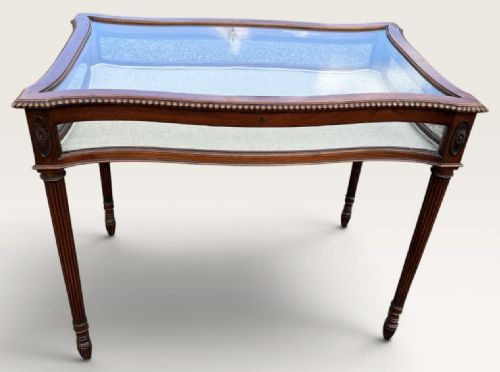
- A glass-topped display table specifically designed for small trinkets and jewellery. They frequently stand on slender legs with glazed lids that lift or hinge open.
- Ormolu
- Gilded bronze mounts applied to furniture for decorative enrichment. This technique gained prominence in French revival and nineteenth century cabinet making.
- Vernis Martin
- A form of decorative lacquerwork imitating Japanese finishes, developed in France. It appears on elite cabinets as hand-painted pictorial panels.
- Marquetry
- Decorative patterns formed by fitting together thin slices of various coloured woods and veneers. Craftsmen employ this technique to create floral and geometric motifs on cabinet doors.
Antique Glass Curio: Frequently Asked Questions
What is an antique glass curio used for?
These cabinets were originally designed to protect and display delicate ornaments, porcelain, and collected curiosities away from household dust. The transparent glazing allows items to be viewed clearly from multiple angles in a drawing room or reception space.
Today, they serve the exact same purpose for modern collectors. They provide a secure enclosure for small objects while adding period character to an interior.
How do I tell Edwardian from Victorian pieces?
Victorian cabinets from the late nineteenth century tend to feature heavier carved mahogany and darker timber tones with rich ornamentation. They often reflect revival styles such as French Rococo or Sheraton influences.
Edwardian pieces, produced around nineteen hundred and the subsequent decade, generally display lighter proportions and delicate marquetry inlay. The woodwork in Edwardian examples often utilises satinwood banding and subtle stringing against mahogany or walnut.
What is the difference between a vitrine and a bijouterie table?
A vitrine is an upright display cabinet with vertical glazed doors and side panels, intended to stand against a wall or in a corner. These tall pieces accommodate various shelf heights for mixed collections.
A bijouterie table is a low, waist-high furniture piece featuring a horizontal glazed top. It is built specifically for viewing flat items, medals, and jewellery from above.
Where should I place a glass display cabinet?
These cabinets require a stable environment away from direct sunlight, which can fade delicate fabrics, marquetry, and interior linings over time. Placing them in rooms with stable temperature and humidity helps protect aged timber and veneer.
Positioning the furniture near natural light sources helps illuminate the interior glass shelves without exposing the contents to harsh thermal shifts.