





Antique Glass Cooler
These antique glass coolers are functional vessels designed to keep wine, champagne and butter chilled at the table.
Antique Glass Cooler
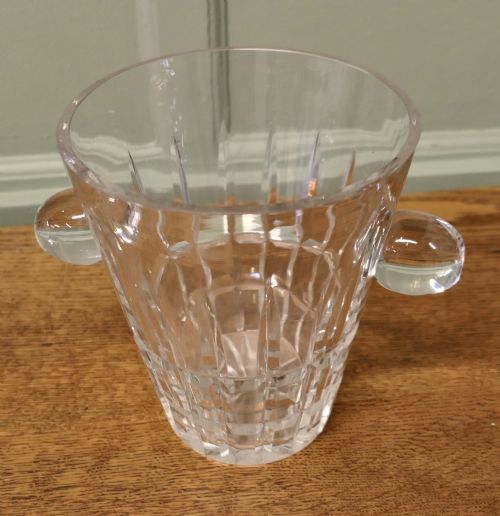
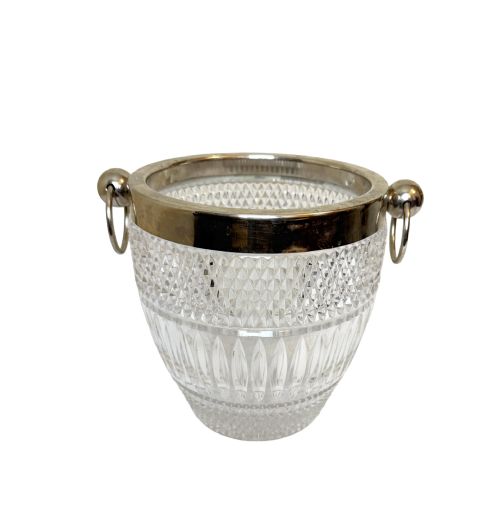
When you search for an antique glass cooler, you are looking at table vessels designed for chilling wine, champagne, or butter, spanning periods from the Georgian era through the mid-twentieth century. The most common versions you will meet on this page are nineteenth-century Victorian pieces and early twentieth-century silver-plated and cut glass ice buckets.
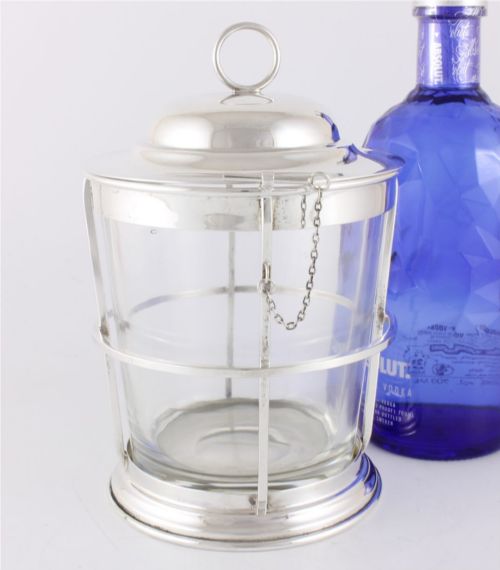
These items take various forms, including champagne coolers, wine coolers, butter dishes with glass liners, and rinsers. They appear in styles ranging from Georgian and Regency to Victorian, Art Nouveau, Art Deco, and Mid-Century designs.
Origins include English and French workshops, alongside Scandinavian table items and pieces mounted in gilt bronze or brass. The selection encompasses heavy lead crystal vessels, hand-blown cut crystal, and engraved glass paired with silver-plate or solid silver.
How they were made
The primary material is glass, taking the form of heavy lead crystal, cut crystal, or hand-blown glass shaped into liners, buckets, and rinsers. Many vessels feature deep cutting or intricate engraving on the glass surface to catch the light.
Metal mounts, frames, and handles in silver-plate, solid silver, brass, and gilt bronze provide structural support and decorative contrast to the glass bodies. These metallic elements are often cast, pierced, or plated to complement the transparency of the glass.
Antique Glass Cooler Retail Price Guide 2026
Typical asking prices for glass cooler among the pieces listed under this phrase on Sellingantiques today, from the lower quarter to the upper quarter. They describe what is for sale here now, not the wider market.
Listings span from the eighteenth century to the mid-twentieth century, combining glass, silver plate, cut crystal, and gilt bronze.
What varies in quality
The distinction between tiers rests upon the depth and crispness of the glass cutting and the weight of the crystal. Superior examples utilise heavier lead crystal with precise facet work that remains sharp to the touch.
Quality also depends on the integration between the glass vessel and its metal mounts, such as silver-plate or gilt bronze. Well-executed pieces show precise fitting where the glass rests securely within pierced or cast metal frames.
PH Vogel
The Antique Glass Cooler Glossary
- Cut crystal
- Glass that has been shaped and patterned by grinding and polishing wheels, creating facets that reflect light. This technique adds considerable weight and brilliance to the vessel.
- Silver-plate
- A base metal coated with a thin layer of silver, commonly used for the mounts, handles, and frames of glass coolers from the Victorian era onward. It provides the appearance of solid silver at a different weight.
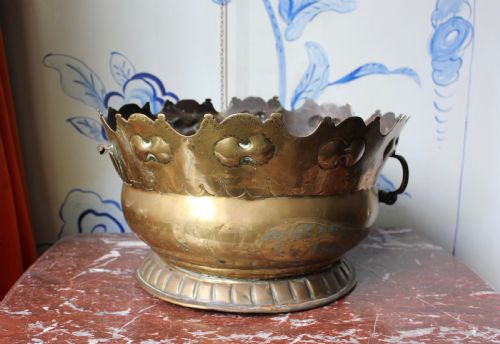
- Monteith
- A type of vessel featuring a scalloped or notched rim originally used for chilling wine glasses. The rim held the stems of the glasses while the bowl contained iced water.
- Gilt bronze
- Bronze that has been treated with a thin layer of gold or gold-coloured alloy, often utilised for decorative mounts on nineteenth-century coolers. It offers a rich, warm tone against clear glass.
Antique Glass Cooler: Frequently Asked Questions
How do I clean an antique glass cooler?
Wash the glass liner or vessel by hand using warm water and a mild detergent, avoiding harsh abrasives that might scratch the surface.
Dry the metal mounts and silver-plate thoroughly afterwards to prevent tarnishing and protect any applied plating.
What is the difference between a champagne cooler and a wine cooler?
Champagne coolers are generally larger and deeper to accommodate taller bottles alongside substantial quantities of ice.
Wine coolers and glass rinsers tend to be more compact, designed for individual bottles or for rinsing stemware between courses.
Can I still use these coolers for serving ice or wine?
These vessels remain fully functional for modern dining and entertaining, whether holding ice cubes, champagne, or butter.
Care should be taken with thermal shock by avoiding extreme temperature changes in very old or hand-blown glass.
How do I date an antique glass cooler?
Dating relies on combining the style of the glass cutting, the form of the metal mounts, and manufacturing marks where present.
Victorian and Georgian pieces often display distinct weight, hand-finished facets, and mounting techniques typical of their respective decades.