




Antique Glass Canisters
Antique glass canisters are storage vessels designed to hold tea, biscuits, or medical supplies, prized for their rich colours and period craftsmanship.
Antique Glass Canisters
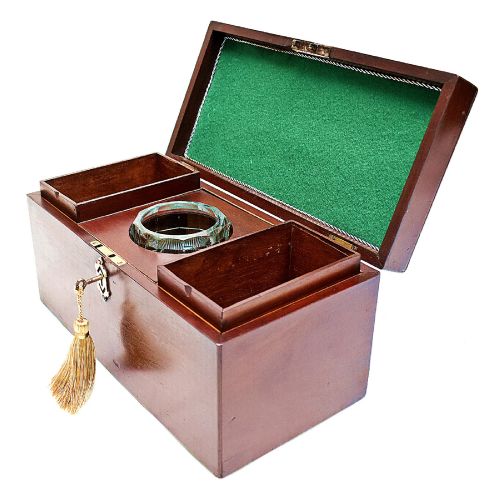
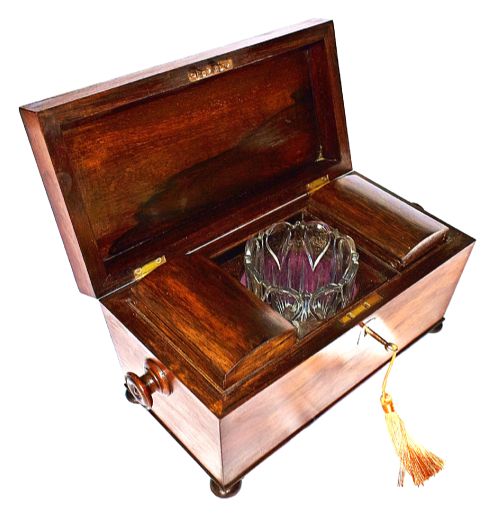
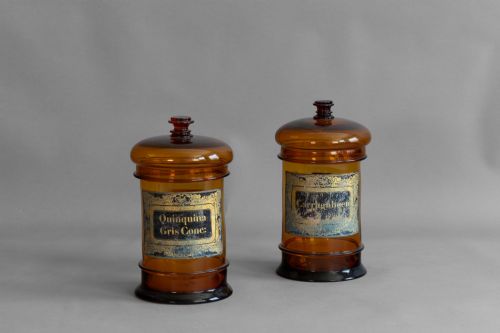
When you search for antique glass canisters, you encounter a diverse selection of storage vessels spanning from the eighteenth century through to the Edwardian era. These pieces include apothecary jars, biscuit barrels, tea caddies, and pickling jars originating from English and French makers. The forms vary from simple cylindrical containers to sarcophagus boxes and matched sets.
The version you are most likely to meet on this page is the Victorian or Edwardian glass jar, often rendered in cranberry or amber tones. Many items combine glass bodies with brass, sterling silver, or mahogany fittings, reflecting the practical domestic and professional needs of their original owners. Each object tells a story of period utility, whether housed in a grand Georgian parlour or a local apothecary shop.
How they were made
The construction of these pieces relies heavily on blown or cut glass combined with fitted metal and timber. Artisans utilised rich cranberry glass, amber glass, and cut crystal to create durable containers that caught the light on a shelf or sideboard. Enamel painting and Mary Gregory decoration appear on selected surfaces, adding fine detail to the glass body.
Wooden elements such as mahogany and satinwood provide structural housings for tea caddies, whilst brass and sterling silver serve as secure lids, mounts, and rims. These diverse materials required careful joining to ensure the glass inserts and wooden frames remained stable through daily domestic use.
Antique Glass Canisters Retail Price Guide 2026
Typical asking prices for glass canisters among the pieces listed under this phrase on Sellingantiques today, from the lower quarter to the upper quarter. They describe what is for sale here now, not the wider market.
Mixing sticks survived inside antique tea caddies, waiting patiently for a Victorian blend.
What varies in quality
Quality in these pieces rests upon the clarity and weight of the glass, alongside the precision of any cut crystal facets. Superior examples display crisp moulding or deep wheel-cutting without clouding, whilst lesser items show surface bubbles and uneven thickness in the walls.
The integrity of the secondary materials also dictates the standard of the piece. Finer canisters feature well-fitted sterling silver or brass mounts, original glass mixing bowls, and tightly joined mahogany or satinwood boxes that have survived centuries of handling.
The Antique Glass Canisters Glossary
- Cranberry glass
- A rich red-pink transparent glass created by adding gold chloride to the molten batch. It became particularly popular during the Victorian period for decorative tableware and jars.
- Sarcophagus form
- A box shape featuring a sloping, stepped lid reminiscent of a stone coffin, commonly utilised for Regency and nineteenth-century double tea caddies.
- Mary Gregory decoration
- A method of painting glassware with white enamel figures, usually depicting children in pastoral settings. This style gained widespread popularity in the late nineteenth century.
- Apothecary jar
- A vessel originally designed to hold medicinal herbs, chemicals, or ointments in a chemist shop. They often feature ground glass stoppers and painted labels.
- Biscuit barrel
- A covered container used on the dining table to store biscuits and dry goods. Victorian examples frequently paired glass bodies with plated silver mounts.
Antique Glass Canisters: Frequently Asked Questions
What were glass canisters used for?
These vessels served practical storage roles in both domestic and professional settings. Households utilised them to keep tea leaves, sugar, and biscuits dry and fresh.
In professional environments like apothecary shops, similar jars held herbs, powders, and medical preparations securely behind glass stoppers.
How do I date an antique glass canister?
Dating relies on observing the manufacturing techniques, materials, and stylistic cues of the piece. Georgian and Regency pieces often integrate timber frames like mahogany with internal glass bowls.
Later Victorian and Edwardian examples lean towards standalone coloured glass bodies, cranberry tones, and enamelled painted motifs.
How do I clean and care for them?
Care requires gentle hand washing with lukewarm water and mild soap to protect fragile enamel work and aged glass surfaces. Avoid soaking pieces with wooden housings or silver mounts to prevent structural damage.
Dry the glass thoroughly with a soft cloth to maintain clarity and prevent water spots from forming.