
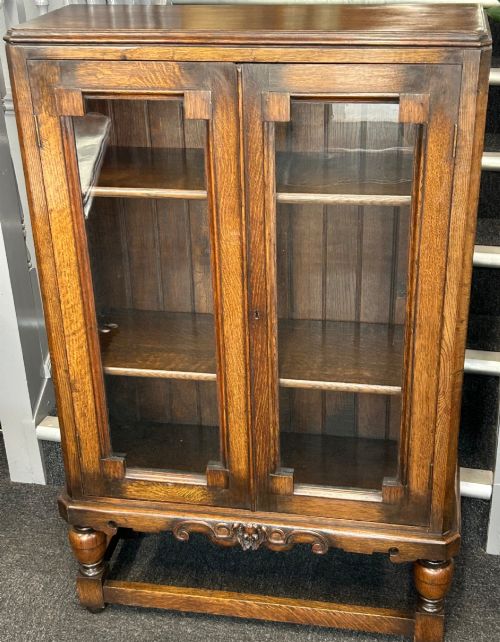
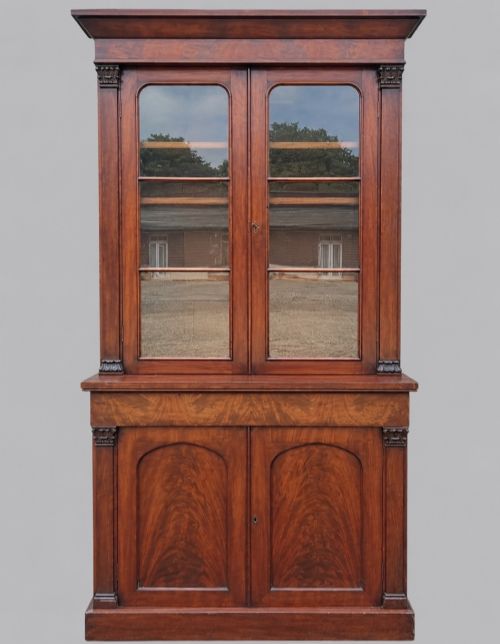
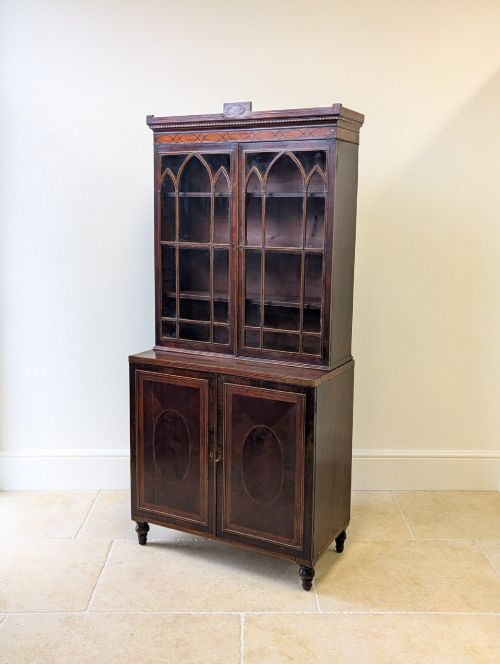
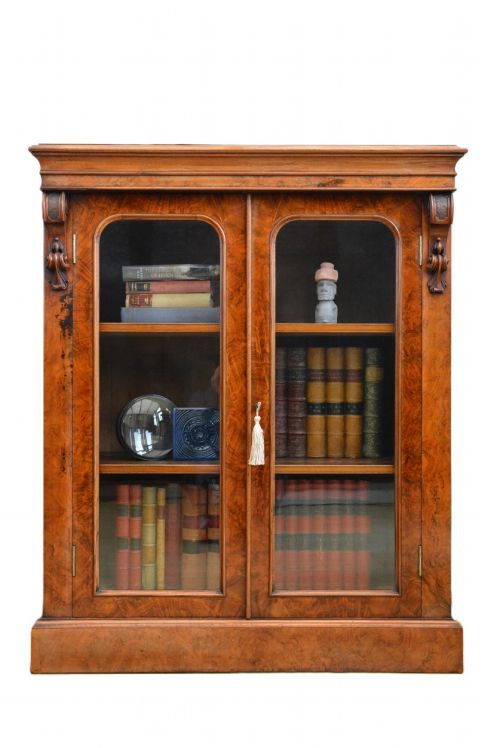
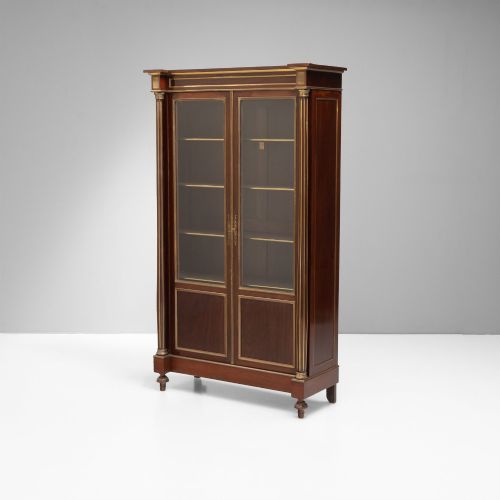
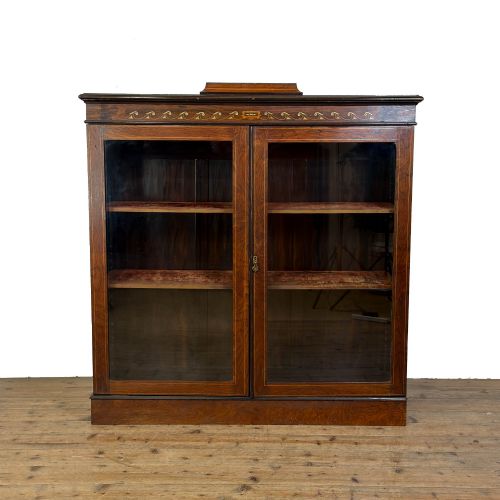
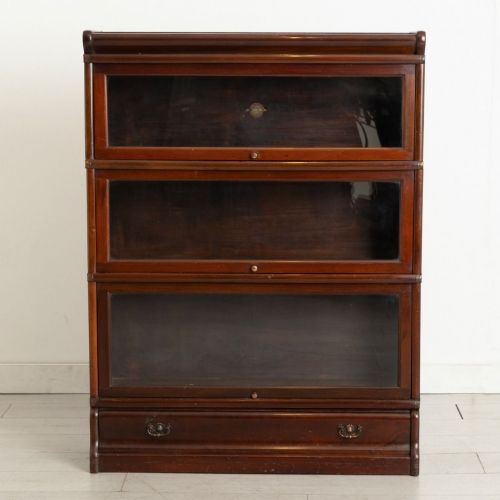
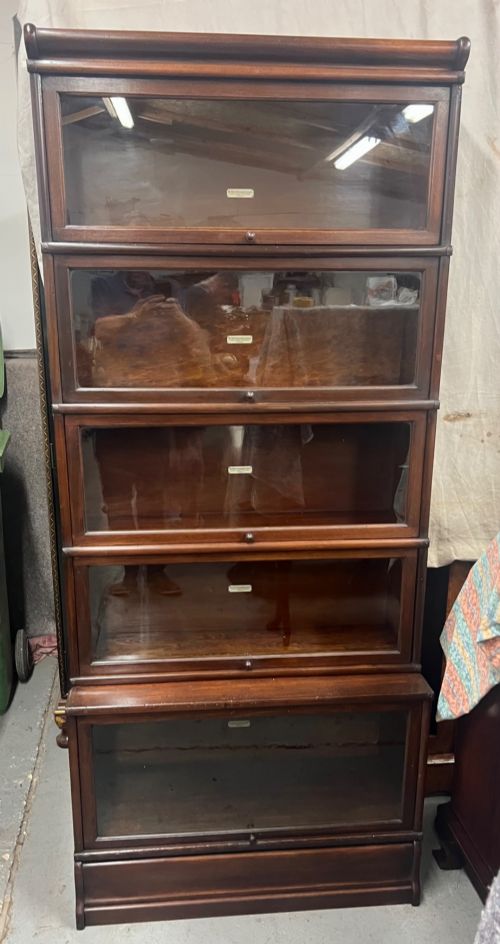
Antique Glass Book Cabinet
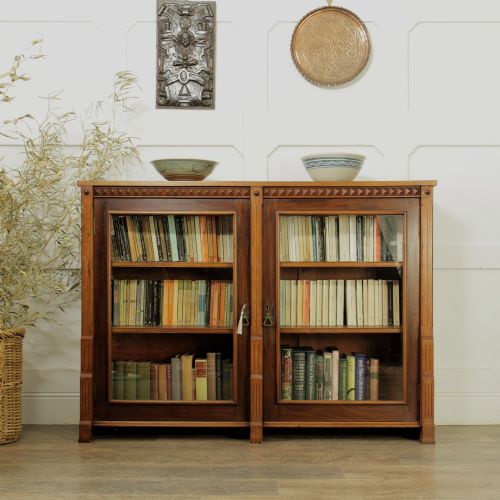
An antique glass book cabinet protects volumes behind glazed doors while displaying bindings clearly in the room.
Antique Glass Book Cabinet
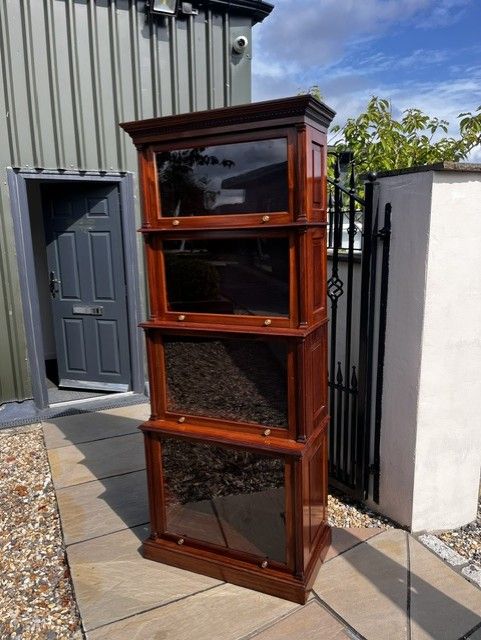
An antique glass book cabinet encompasses freestanding library pieces, sectional stacking units, and display cabinets with glazed doors spanning the nineteenth and early twentieth centuries.
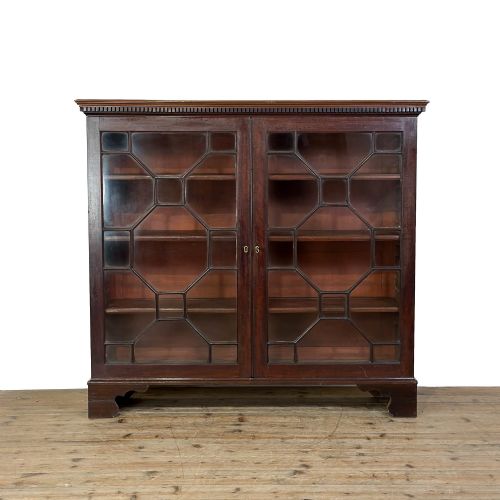
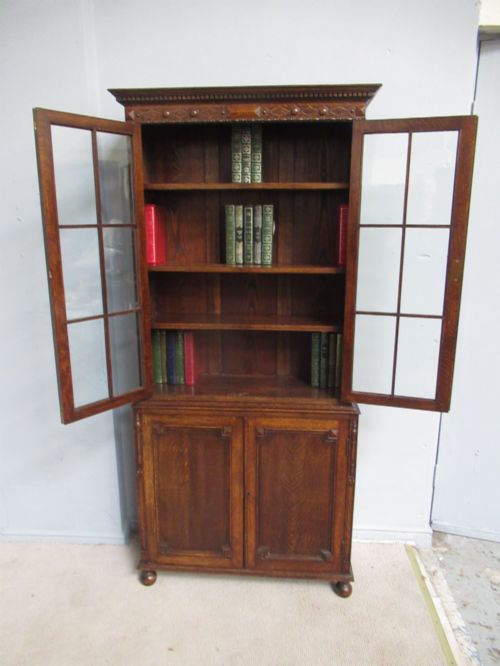
The Victorian and Edwardian periods provide numerous tall mahogany, walnut, and oak examples featuring glazed panels designed to keep dust from valuable libraries.
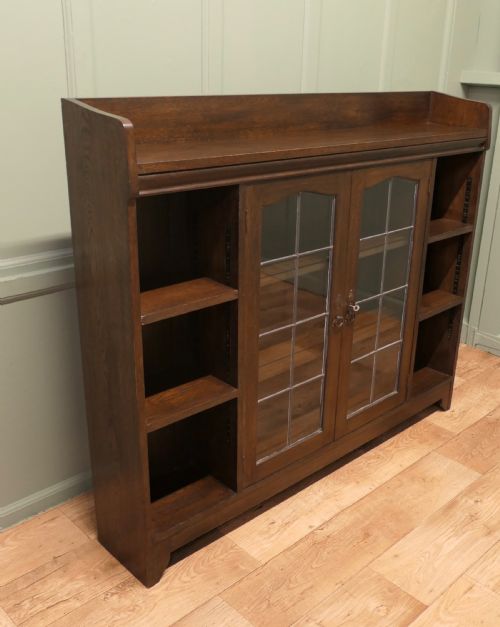
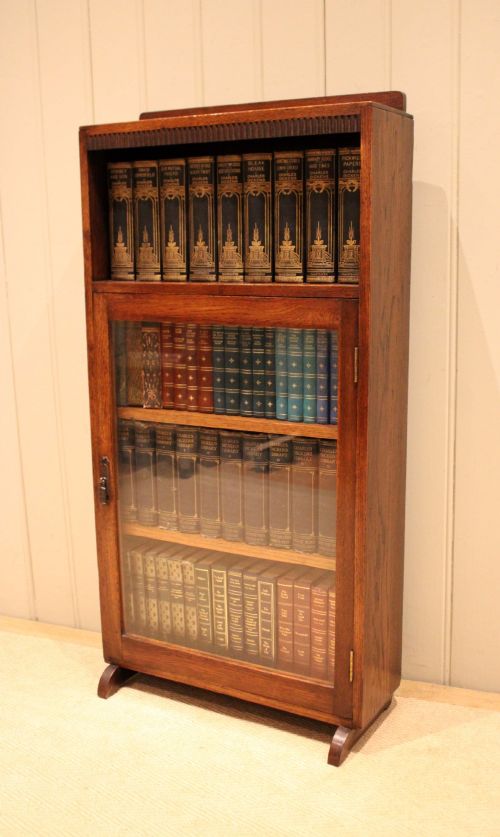
Art Deco and 1920s pieces bring oak and figured walnut frames paired with leaded glass or shaped doors into smaller domestic spaces.
Materials and construction
Cabinetmakers built these pieces using solid and veneered timbers including mahogany, oak, walnut, rosewood, and satinwood, often accentuating the grain on primary surfaces.
Glazing relies on timber bars or lead cames to hold panes of glass securely within doors, while brass hardware secures stacking sections and cupboards.
Listings feature mahogany, oak, walnut, rosewood, and satinwood constructions spanning the nineteenth century through the nineteen-twenties.
Build and proportion
Quality rests in the selection of figured timber veneers, the precision of joinery in glazed doors, and the originality of glass panes and brass fittings.
Better examples maintain balanced proportions and sound structural integrity across stacking mechanisms or heavy library carcasses.
Globe Wernicke·Lebus
The Antique Glass Book Cabinet Glossary
- Astragal glazed
- Glass doors divided into smaller panes by narrow wooden moulding strips. These bars create geometric patterns across the front of the cabinet.
- Sectional bookcase
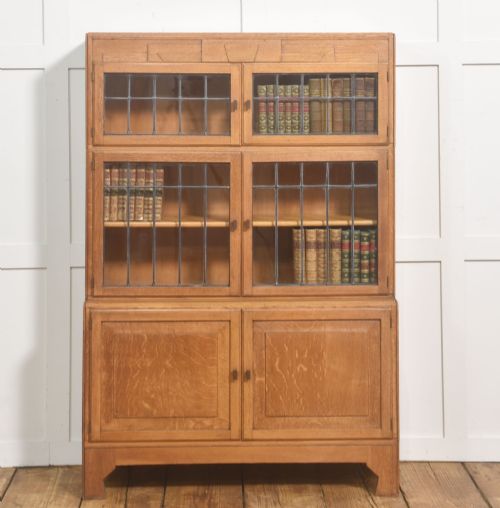
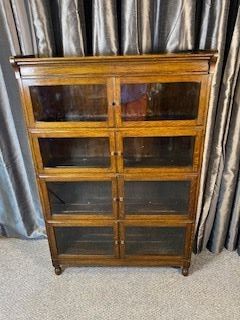
- A modular shelving unit built in stacked tiers with upward-lifting glass doors. This design allows individual sections to separate for moving.
- Leaded glass
- Glass panes joined together by thin strips of lead into decorative patterns. It frequently appears on early twentieth-century and Art Deco cabinets.
- Burr walnut
- Timber taken from the warted growths of walnut trees, yielding complex swirling grain patterns. Cabinetmakers used it for decorative veneered panels.
- Gallery
- A low ornamental railing placed along the top edge of a cabinet or shelf. It prevents items placed on top from sliding off.
Antique Glass Book Cabinet: Frequently Asked Questions
Where should I place a glass book cabinet?
Position your cabinet away from direct sunlight to protect antique leather bindings and wooden finishes from fading. Keep the piece clear of active heat sources that might dry out timber and crack old veneers.
Ensure the floor is level so tall glazed doors hang square and swing freely without binding against the frame.
How do I date an oak cabinet?
Examine the timber selection, hardware, and door construction to determine the period of manufacture. Victorian and Edwardian pieces often display heavier moulded cornices and astragal glazing.
Cabinets from the 1920s frequently adopt cleaner lines, plain or leaded glass, and lighter oak finishes influenced by Art Deco design.
What maintenance do glazed doors need?
Check the hinges and brass catches periodically to ensure the doors close evenly without putting pressure on the glass panes. Keep wooden runners and lifting mechanisms lightly lubricated if you own a stacking model.
Clean the glass with a soft cloth and mild solution, avoiding excess moisture near old timber frames and lead cames.