

Antique Gilt Sconce Mirror
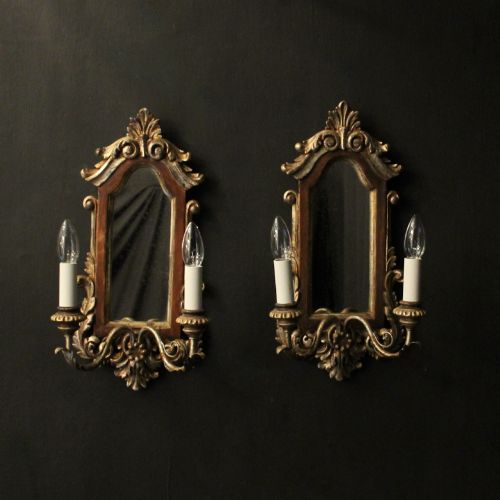
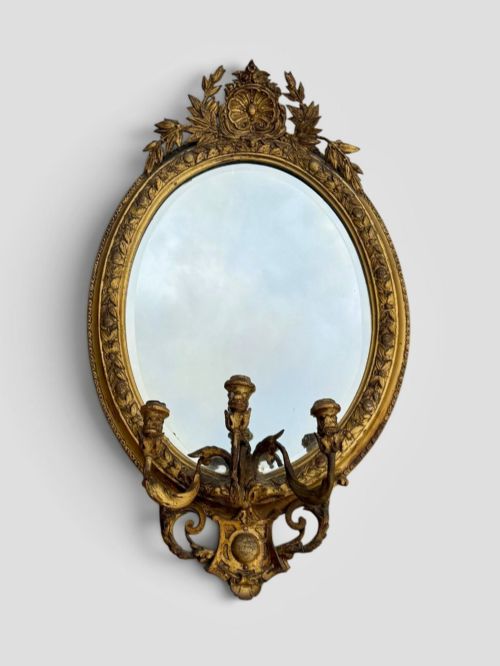
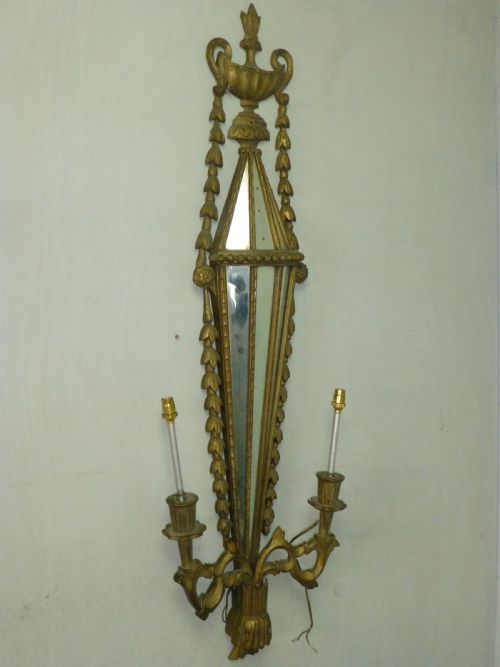
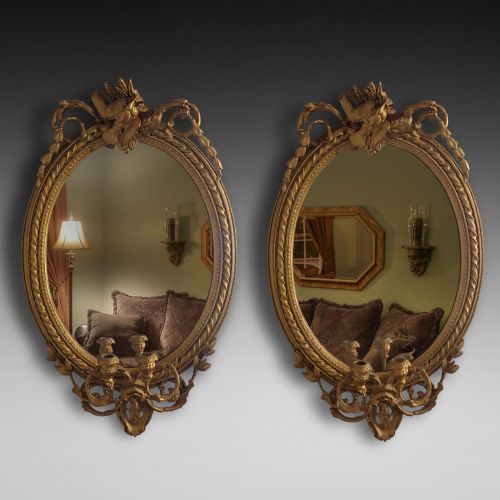
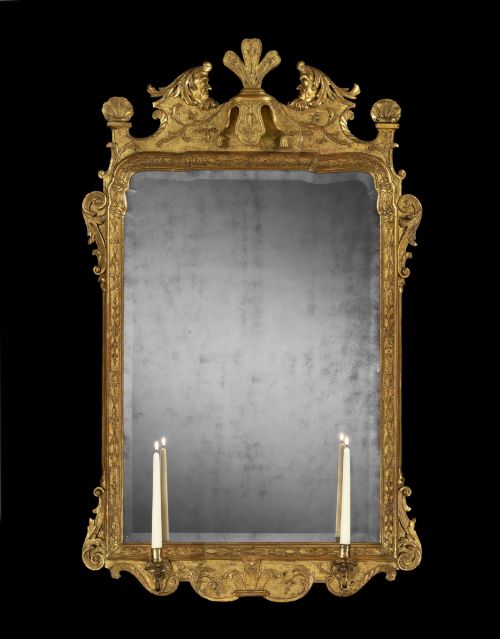
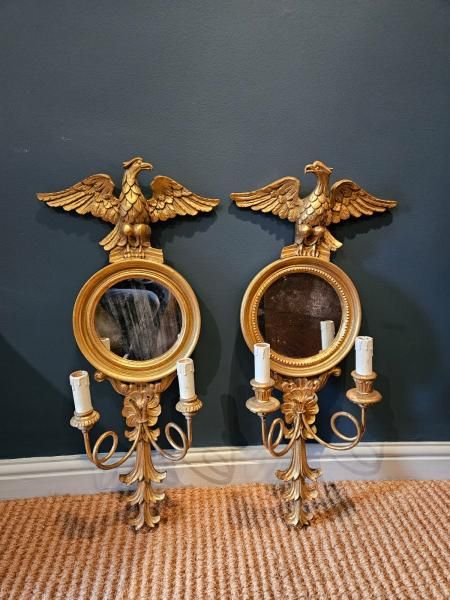
These antique gilt sconce mirror examples combine reflective glass and candle arms to brighten dark panelled rooms.
Antique Gilt Sconce Mirror
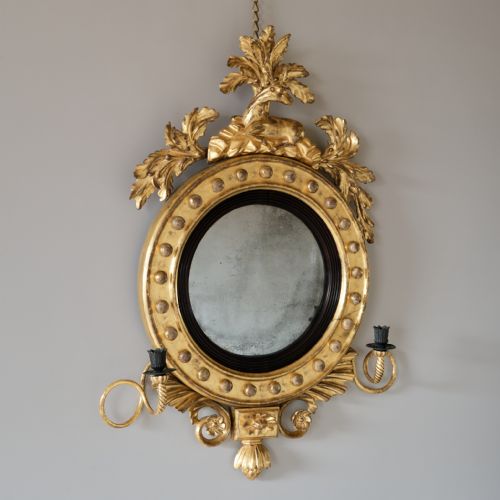
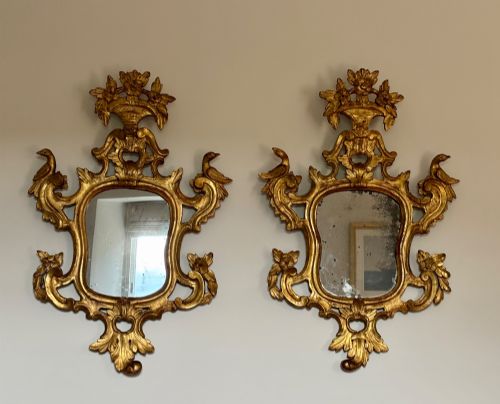
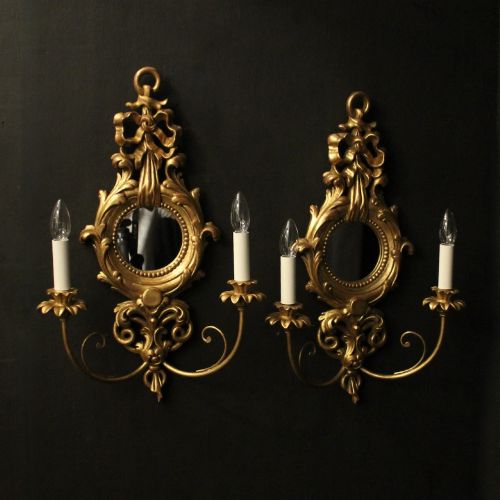
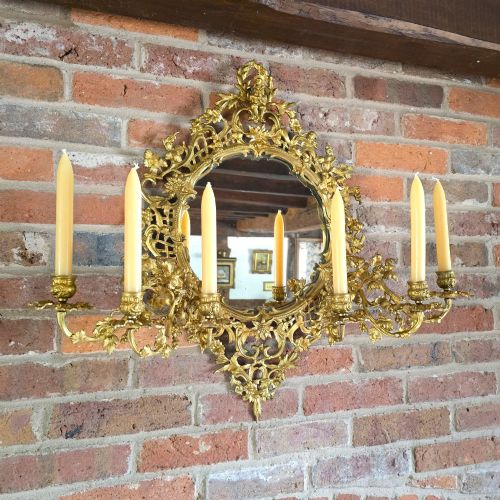
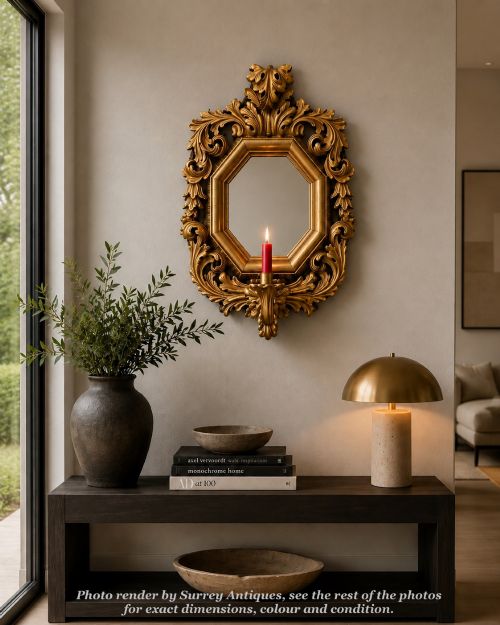
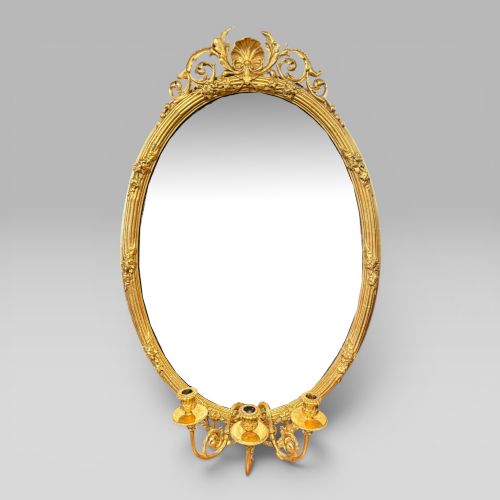
An antique gilt sconce mirror combines a reflective glass plate with integrated candle branches, serving simultaneously as a light source and a wall decoration. When searching for this phrase, buyers encounter forms ranging from circular convex plates to tall cartouche frames.
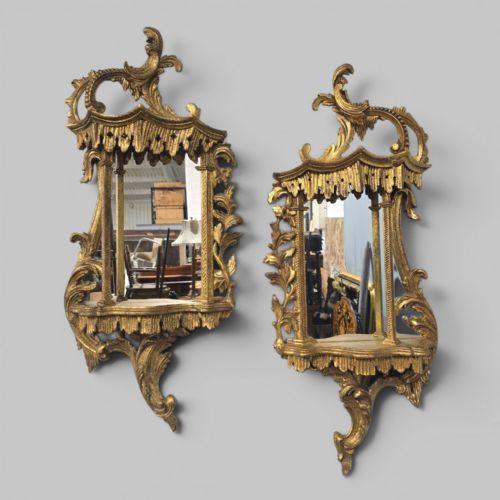
The pieces appearing on this page span the eighteenth, nineteenth and early twentieth centuries. Common designations include girandoles, pier mirrors and wall lights equipped with mirror backs.
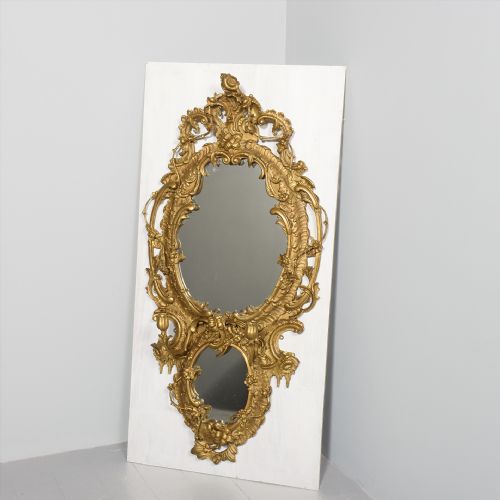
Origin points vary across English, French and Italian workshops. Examples frequently display stylistic revivals such as Rococo, Baroque and Neoclassical vocabularies.
Materials and construction
Makers built the foundational frames using timber such as pine or hardwood, then applied layers of gesso to create a smooth surface for carving and moulding. Gilding followed through the application of thin gold leaf or gilt paint onto the prepared ground.
Reflective surfaces consist of hand-blown or cast mirror glass, often showing foxing, pitting or ageing across the plate. Metal components like brass, ormolu and gilt bronze form the structural candle branches and sconces attached to the frames.
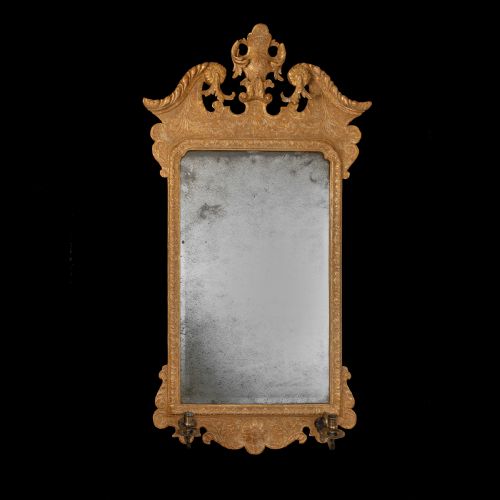
The listings span multiple centuries, incorporating George II, Regency, Victorian and 1930s periods alongside materials like gesso, brass and ormolu.
What separates examples
The depth and sharpness of the carved gesso and woodwork distinguish finer items from simpler production. Crisp undercut foliage and scrollwork demonstrate superior hand craftsmanship compared to softer, moulded composition ornament.
Originality of the gilding and preservation of the mercury or silvered glass plate dictate desirability. Retaining original candle arms and untouched backboards indicates a higher degree of historical integrity.
Benjamin Goodison
The Antique Gilt Sconce Mirror Glossary
- Girandole
- A decorative wall mirror featuring attached candle branches or sconces. These fixtures multiplied candlelight within a room by reflecting the flame.
- Gesso
- A plaster mixture applied to wood frames to create a smooth base for carving and gilding. Artisans modelled intricate relief details directly into this ground.
- Convex mirror
- A circular glass plate curved outward to provide a wide-angle reflection of the interior space. These pieces frequently feature gilded spherical balls set into the frame moulding.
- Foxing
- Age-related spots and discolouration appearing within the mirror glass plate. This chemical degradation develops over decades as backing materials react with air.
- Cartouche
- An ornamental frame resembling a scroll or rolled-up piece of parchment. Italian and French makers utilised this asymmetrical shape during the Rococo period.
Antique Gilt Sconce Mirror: Frequently Asked Questions
How do I clean an antique gilt mirror?
Dust the gilded frame gently with a dry, soft brush to avoid disturbing fragile gold leaf layers.
Clean the glass plate sparingly using a cloth slightly dampened with distilled water, keeping moisture away from the wooden edges.
Were these mirrors meant for candles?
Yes, the attached arms and sconces held wax candles to amplify illumination in dim historical interiors.
Many surviving pieces retain their original metal sockets designed specifically for taper candles.
How do I date an antique gilt mirror?
Examine the construction of the wooden frame, backboards, and assembly nails behind the glass.
Plate characteristics, such as hand-bevelling or foxed silvering, provide additional clues alongside period stylistic markers.
Where should I hang a wall sconce mirror?
Mount these pieces on a sturdy wall stud using appropriate fixings to support the combined weight of wood and glass.
Position them opposite windows or above mantelpieces to maximise natural light reflection.