





Antique Gilt Bird Mirror
An antique gilt bird mirror brings historic charm to a room, featuring carved crests and rich timber frames that collectors cherish.
Antique Gilt Bird Mirror
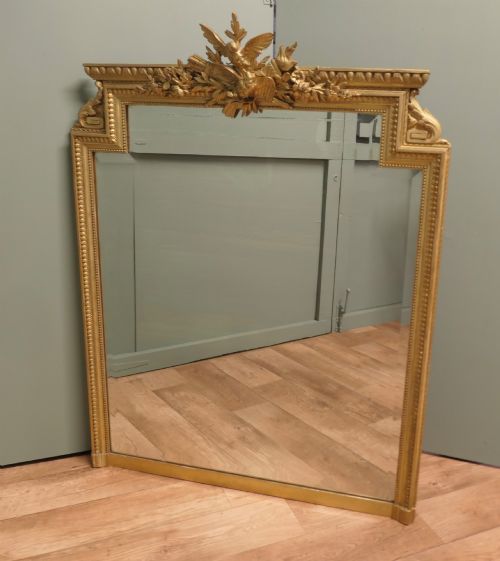
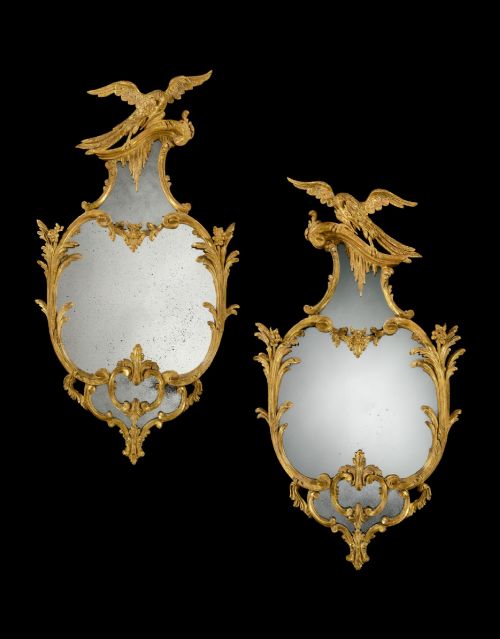
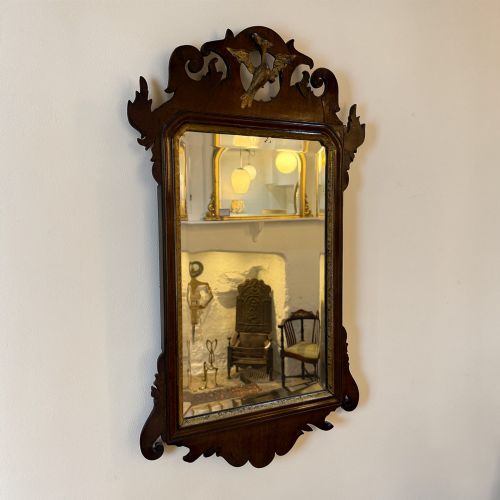
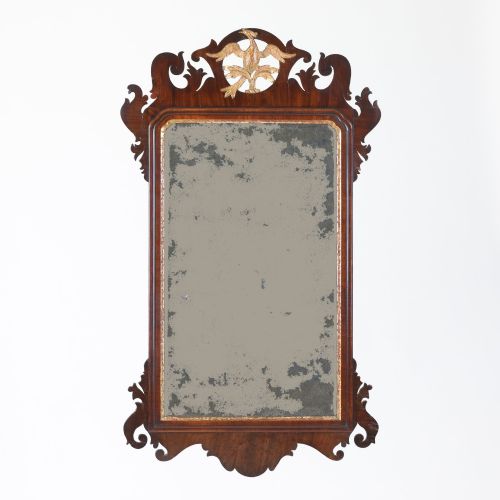
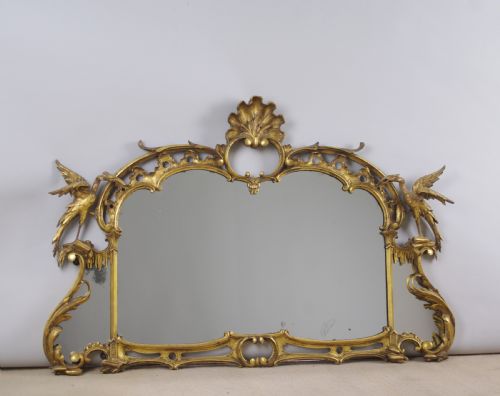
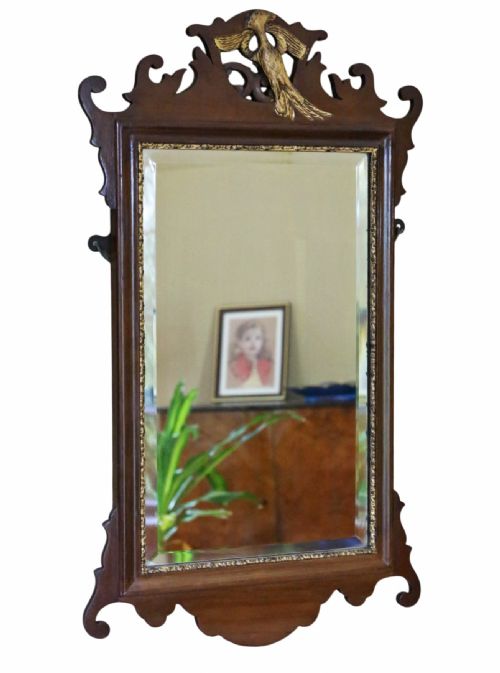
An antique gilt bird mirror is a wall or overmantel piece defined by carved avian motifs, most notably the ho-ho bird atop the crest. These items bridge Georgian and Victorian design eras, often appearing in styles such as Chippendale Revival and Regency.
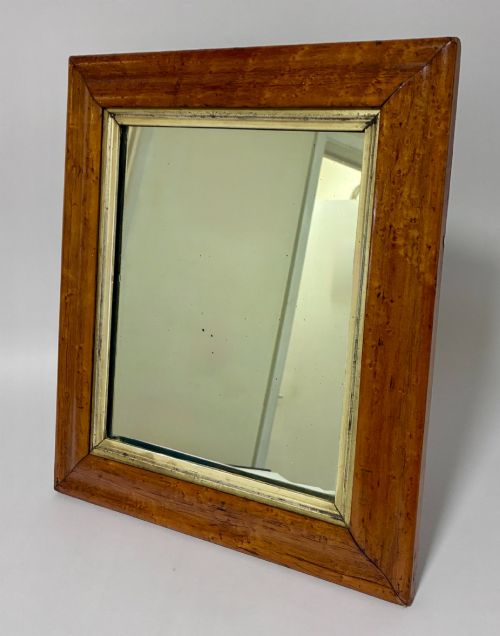
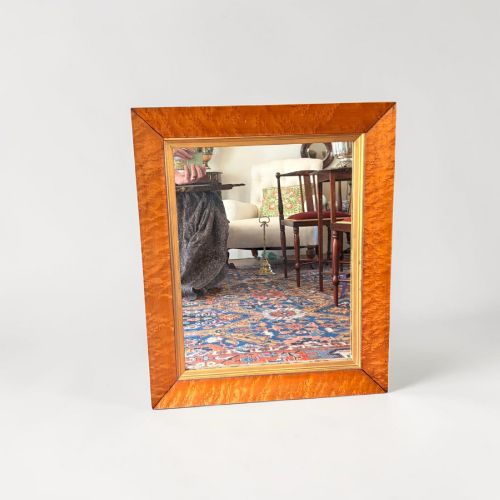
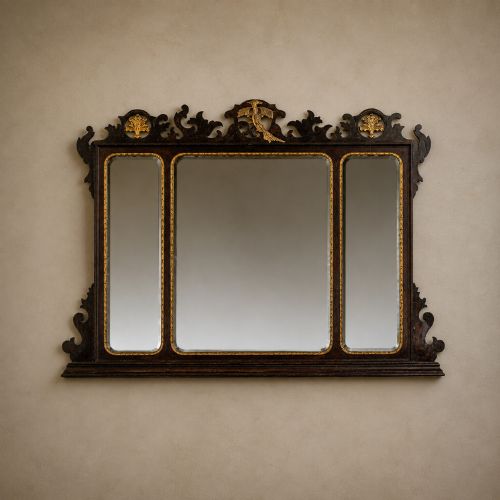
The materials span from traditional giltwood and gesso to figured timber frames including birds eye maple and mahogany. Wall mirrors and larger triptych overmantel formats dominate the selection, each carrying distinct regional and period characteristics.
Craftsmanship and materials
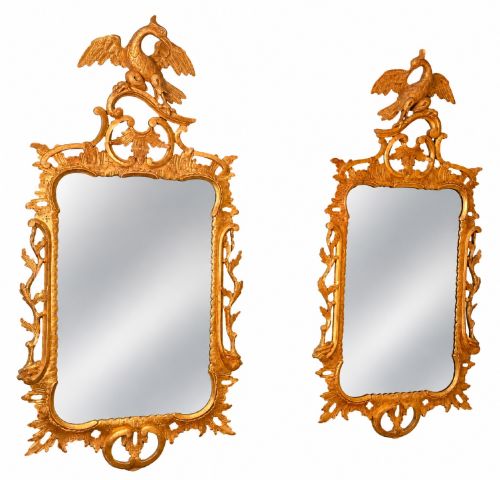
Frames rely on carved woods like mahogany, yew, and birds eye maple, layered with gesso before the application of gold leaf or paint. Carvers shaped the intricate fretwork panels by hand, creating the pierced outlines characteristic of Chinese Chippendale and Irish Rococo influences.
Glass plates are set within these timber structures, sometimes featuring bevel edges or reverse painting techniques. Giltwood surfaces combine burnished and matte sections to catch the light effectively.
Antique Gilt Bird Mirror Retail Price Guide 2026
Typical asking prices for gilt bird mirror among the pieces listed under this phrase on Sellingantiques today, from the lower quarter to the upper quarter. They describe what is for sale here now, not the wider market.
Keep an eye out for hidden squirrels joining the ho-ho birds on the crests.
Assessing quality and craftsmanship
Quality rests upon the crispness of the carving, particularly around the delicate scrollwork and the plumage of the crest birds. Superior examples show deep, clean fret-cutting rather than soft or rounded edges in the wood or gesso.
The integrity of the gilding and the originality of the glass plate dictate the standing of a piece. Earlier examples display precise joinery and nuanced surface patination that later revival pieces interpret with varying degrees of depth.
The Antique Gilt Bird Mirror Glossary
- Giltwood
- Wood carved and coated with gold leaf or metallic powder over a prepared gesso ground. This technique provides the bright, reflective finish seen on period frames.
- Gesso
- A plaster mixture applied to wooden frames as a smooth base for gilding or painting. It holds fine detail well during the carving and shaping process.
- Fretwork
- Ornamental perforated or pierced woodwork created with a fretsaw. It defines the flat, patterned borders of Chippendale style mirrors.
- Triptych
- A mirror divided into three separate panels, often used for large overmantel placements. This format expands the reflected light in a room.
- Ho-ho bird
- A stylized phoenix or mythical bird derived from Chinese porcelain designs, frequently perched on 18th and 19th-century mirror crests.
Antique Gilt Bird Mirror: Frequently Asked Questions
How do I date an old gilt mirror?
Dating relies on examining the timber of the frame, the application of the gesso, and the style of the fretwork. Georgian and Regency pieces show distinct construction methods compared to later Victorian revivals.
Secondary woods, backboards, and the type of mirror glass also provide clues to the era of manufacture. Consulting the specific period markers helps distinguish original 18th-century work from later interpretations.
Where should I hang an overmantel mirror?
An overmantel mirror sits naturally above a fireplace mantel to anchor the room and reflect natural light. Larger triptych formats fill wide wall spaces effectively in reception rooms or hallways.
Securing these heavy frames requires fixing directly into wall studs or masonry to support the combined weight of the wood and glass safely.
What is the difference between gesso and giltwood?
Giltwood refers to the underlying timber finished with gold leaf, whereas gesso is the plaster preparation layer applied beneath the gold. Carvers used gesso to build up intricate details before applying the metallic leaf.
Many antique frames use both materials, carving the gesso layer on top of a wood base to achieve sharp decorative reliefs.