





Antique Gilded Screen
An antique gilded screen brings architectural grace and warmth to a room, dividing space or framing a hearth with historic polish.
Antique Gilded Screen
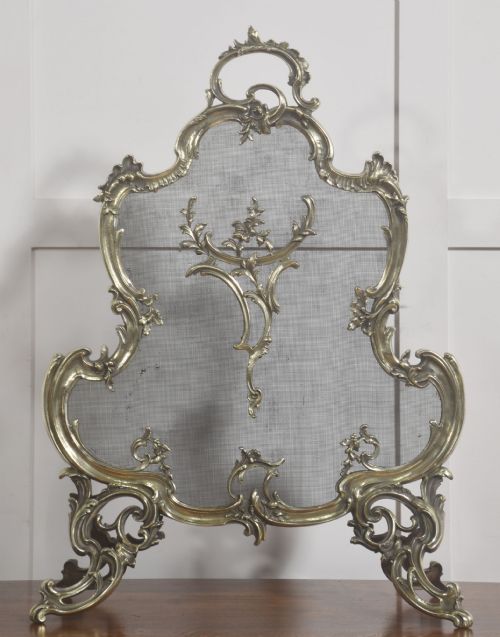
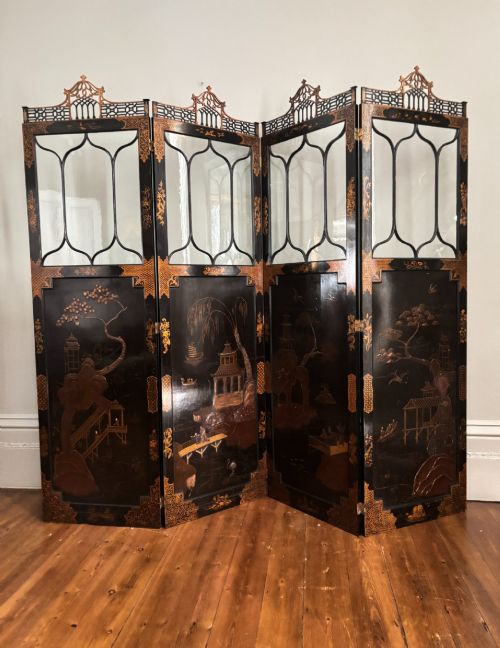
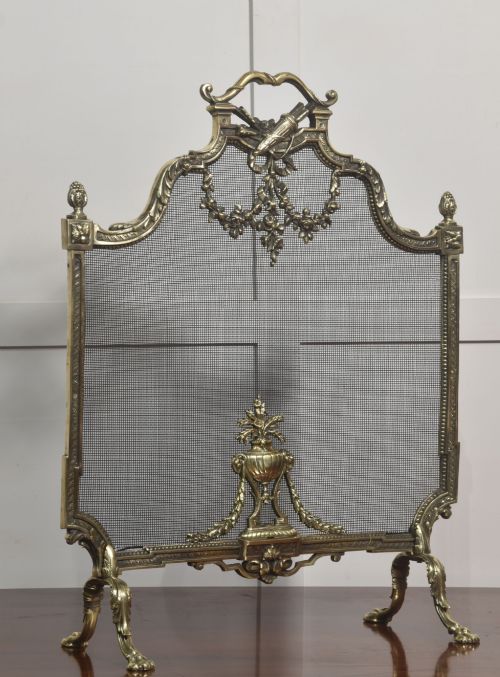
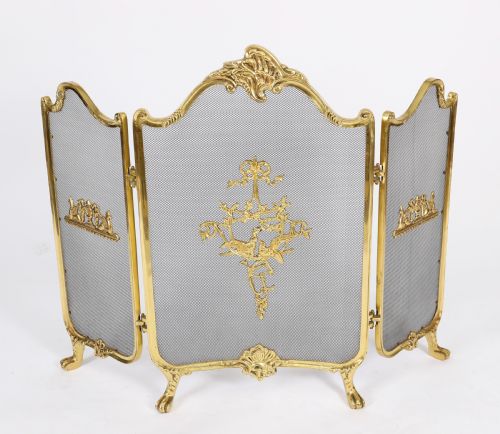
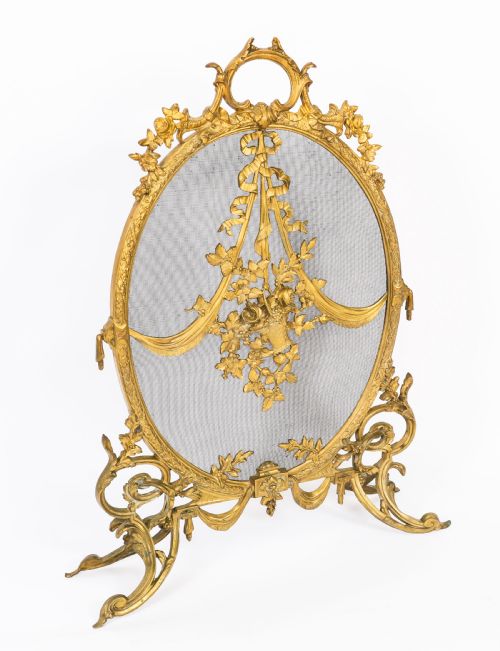
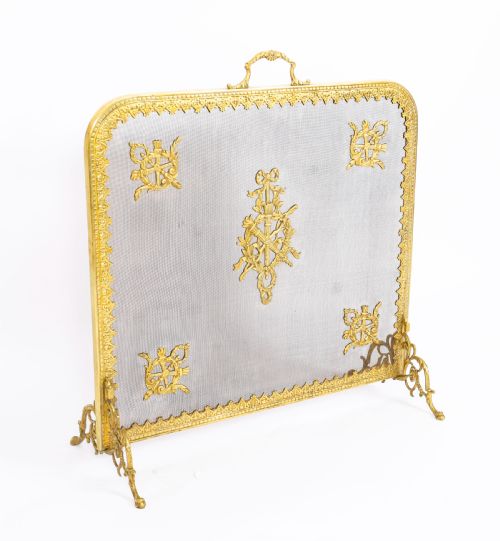
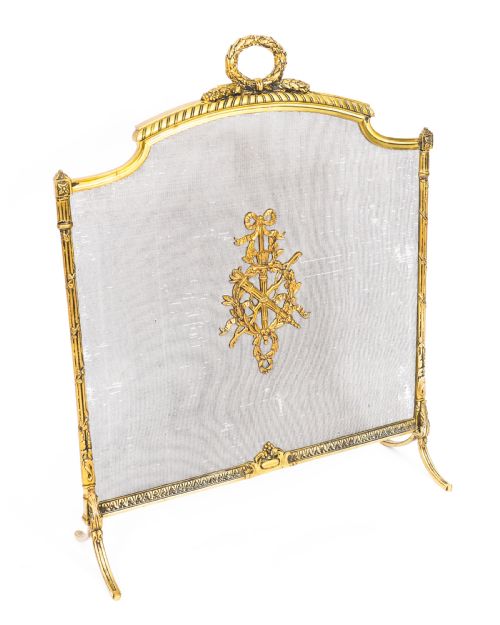
An antique gilded screen encompasses several distinct functional forms, most notably fire screens and multi-fold room dividers designed for nineteenth-century and earlier interiors. Buyers seeking an antique gilded screen will frequently encounter French brass or gilt bronze hearth guards alongside Chinese lacquer folding panels and English giltwood pieces. These objects served practical roles in domestic life, managing hearth heat or partitioning large chambers, while displaying ornamental styles such as French Rococo Revival and Chinoiserie.
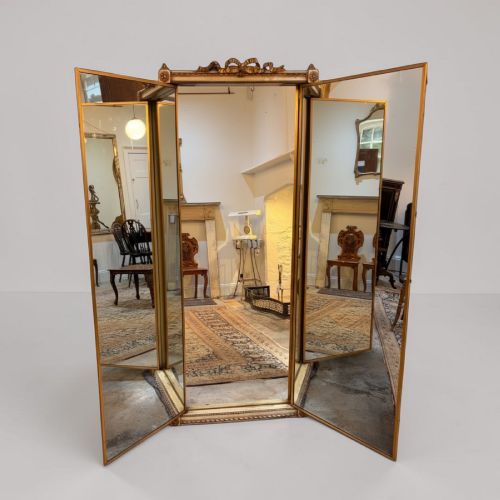
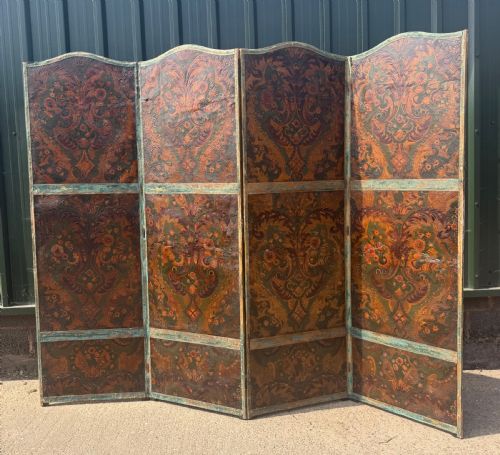
The selection ranges from tall four-fold and eight-fold canvas, leather, and wood dividers to compact pole screens, vanity mirrors, and triptych frames. Nineteenth-century examples dominate the offerings, though eighteenth-century Cordoban leather and Georgian giltwood pieces also appear. Each piece relies on metallic lustre and decorative panels, whether utilising glass, wire mesh, embroidered tapestry, or hand-painted lacquer to catch the light.
Distinctions in craftsmanship and design
Quality in these pieces rests upon the crispness of the bronze casting, the depth of the hand-carving in wood, and the integrity of the original gilding. Superior examples display finely chased mounts and authentic period materials rather than later replacements or crude restoration work.
The sophistication of the decorative panels - whether hand-painted Chinoiserie lacquer, tooled leather, or delicate Aubusson needlework - determines the visual weight and refinement of the divider. Maker attribution, structural stability of the hinges, and the preservation of original gold leaf further elevate individual pieces.
Antique Gilded Screen Retail Price Guide 2026
Typical asking prices for gilded screen among the pieces listed under this phrase on Sellingantiques today, from the lower quarter to the upper quarter. They describe what is for sale here now, not the wider market.
The listings span the eighteenth, nineteenth, and early twentieth centuries, featuring materials such as gilt bronze, wire mesh, leather, and lacquered wood.
Paul Sormani
The Antique Gilded Screen Glossary
- Pole screen
- A vertical stand supporting an adjustable shield, historically positioned near a fireplace to protect a person's face from the direct heat of the flames. They often incorporate embroidered panels or needlework.
- Chinoiserie
- A European decorative style that reflects Chinese artistic influences, frequently expressed through lacquered screens and painted panels. It was widely utilised during the eighteenth and nineteenth centuries.
- Triptych
- A three-panel arrangement where two outer wings fold over a central section. This format appears frequently in vanity mirrors and decorative glass screens.
- Cordoban leather
- Heavily embossed, painted, and gilded leather historically produced in Spain. It provides a rich, textured surface for large multi-fold room dividers.
Antique Gilded Screen: Frequently Asked Questions
What is a fire screen?
A fire screen is an ornamental barrier placed in front of an unused or dying fireplace to conceal the hearth during warmer months. They prevent drafts and offer a decorative focal point in a reception room.
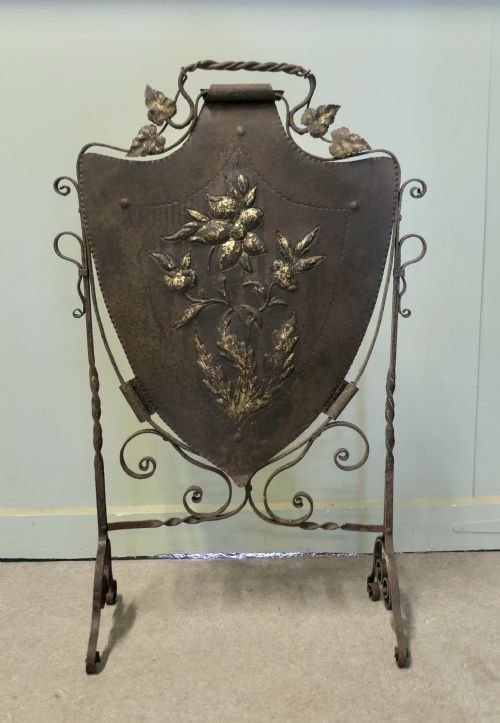
These pieces typically feature metal mesh, glass, fabric panels, or painted canvas held within a sturdy brass, bronze, or wooden frame. Victorian and nineteenth-century examples often utilised adjustable brass stands or folding panels for versatility.
How do you use a multi-fold room divider?
Multi-fold room dividers are utilised to partition large spaces, create private corners within a room, or serve as an artistic backdrop against a bare wall. They can be angled to stand independently on a floor.
Historically, these screens helped manage drafts in large houses and hid functional areas from view. Today, they function primarily as statement pieces that introduce colour, texture, and historic character to modern interiors.
How do I distinguish French Rococo Revival from Empire styles?
French Rococo Revival pieces feature asymmetrical C-scrolls, floral motifs, and organic, flowing lines reminiscent of mid-eighteenth-century design. Gilt bronze mounts on these screens often display naturalistic elements like flaming torches and cascading foliage.
In contrast, the French Empire Revival style draws upon strict classical antiquity, displaying formal symmetry, military trophies, and architectural lines. Empire screens typically incorporate rigid geometric framing and solemn decorative emblems rather than playful, sweeping curves.
Are pole screens adjustable?
Pole screens are built with a sliding mechanism that allows the needlework or glass shield to move vertically along a central wooden or brass pole. This adjustment helped users position the screen precisely at eye level.
The stable base keeps the upright standard balanced while the shield is repositioned. Collectors frequently find these stands paired with antique embroidery or framed fabric panels.