

Antique Gilded Lighting
Antique gilded lighting brings a warm, reflective presence to a room through centuries-old metalwork and carved wooden forms.
Antique Gilded Lighting
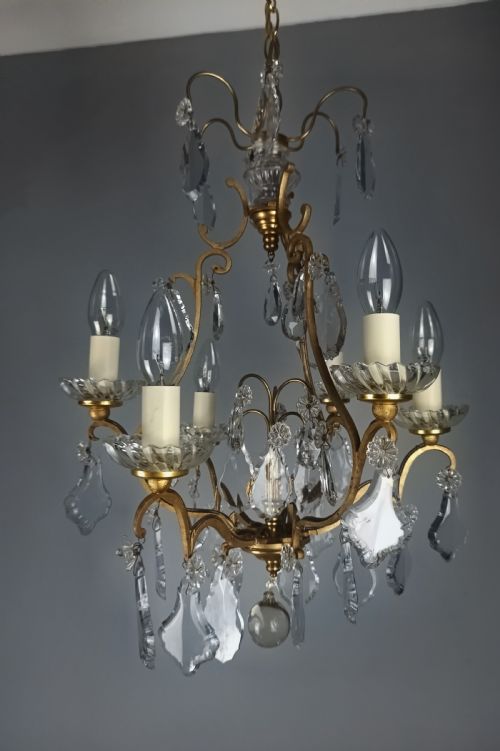
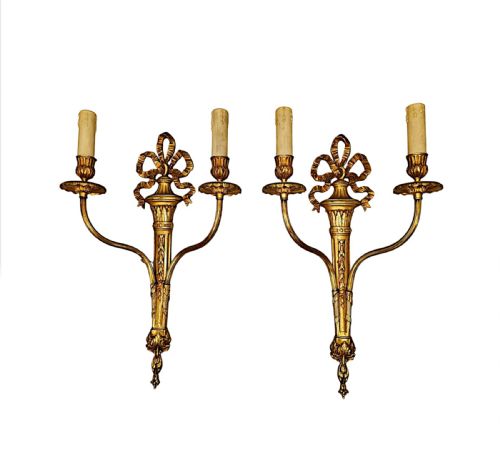
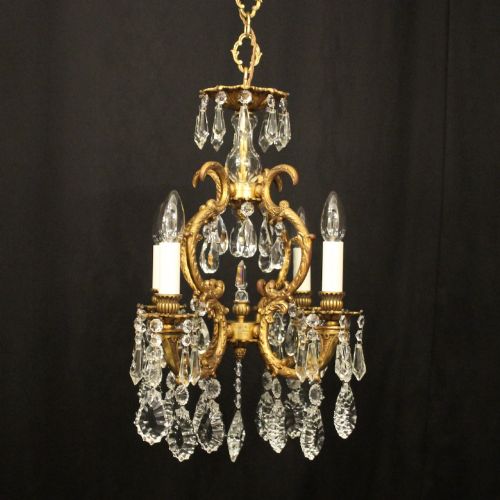
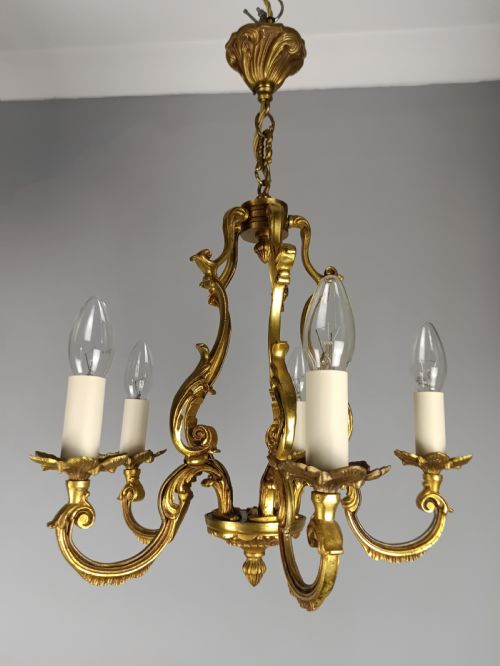
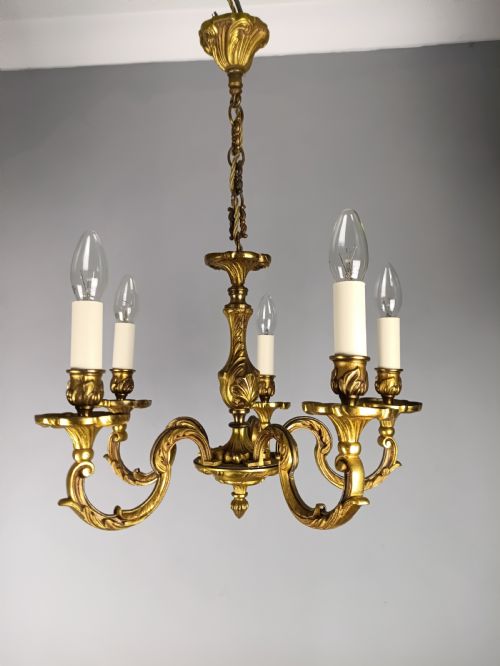
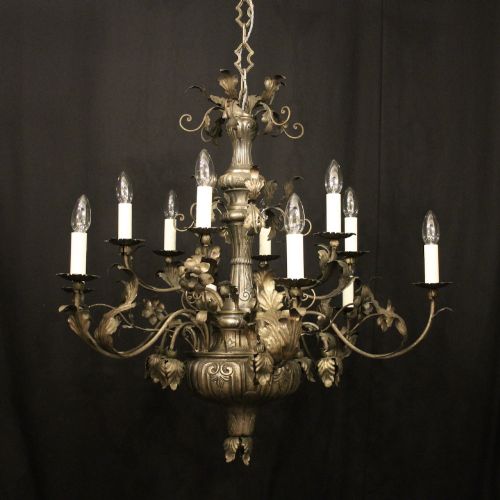
When you search for antique gilded lighting, you encounter a diverse array of fixtures spanning the eighteenth, nineteenth, and early twentieth centuries. These objects range from grand multi-light chandeliers and hall lanterns to pairs of wall sconces, candelabra, and table lamps originating primarily from French, Italian, and English workshops.
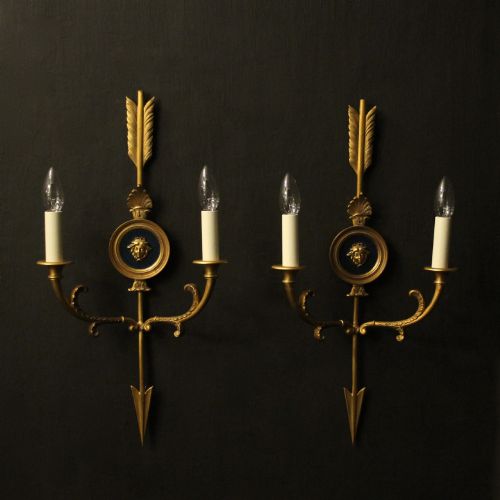
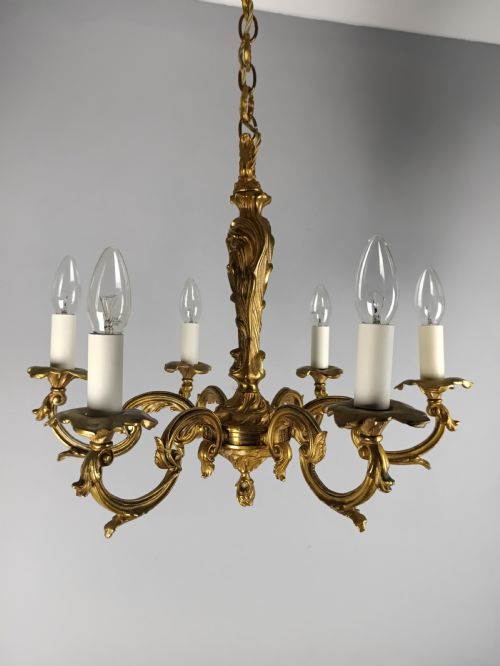
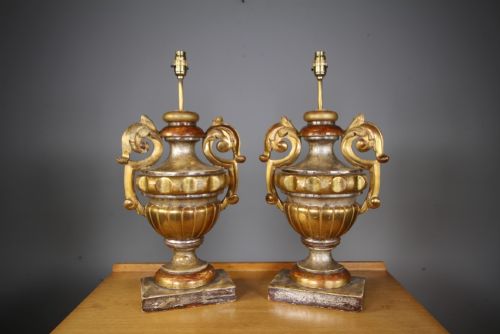
The most common pieces on this page are French and Italian fixtures from the nineteen-twenties and nineteen-thirties, often manifesting as multi-arm chandeliers or matched sets of wall lights. Alongside these twentieth-century items, nineteenth-century and eighteenth-century examples appear, including carved giltwood mirrors, urn lamps, and ormolu wall branches.
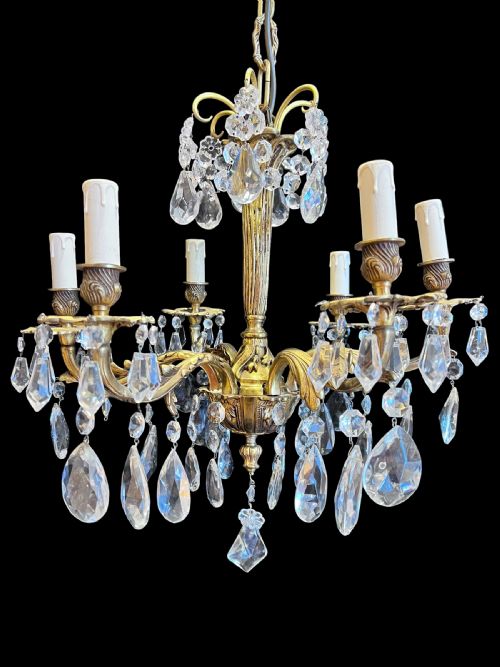
Forms vary from delicate birdcage and tent-and-waterfall crystal chandeliers to robust brass pricket candlesticks and Florentine girandoles. Buyers choose these specific items to introduce period character and metallic warmth into domestic interiors.
Materials and construction methods
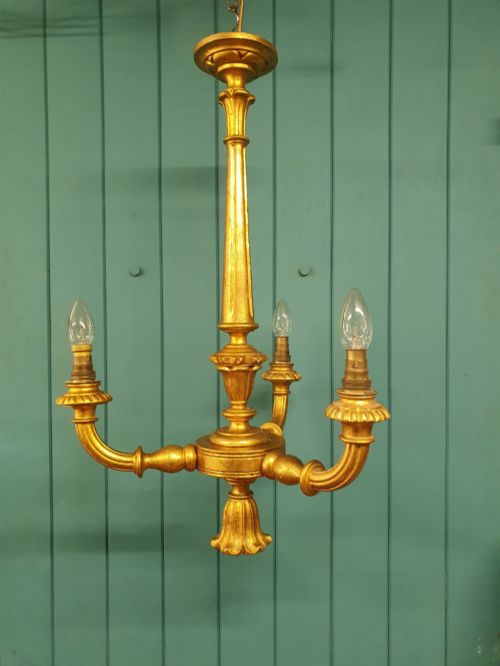
The construction of these pieces relies heavily on cast metals and carved timber, with gilt bronze, ormolu, brass, and giltwood forming the primary structural elements. Artisans applied gold leaf or fire-gilding to bronze, brass, and carved pine or gesso surfaces to achieve a luminous, enduring finish.
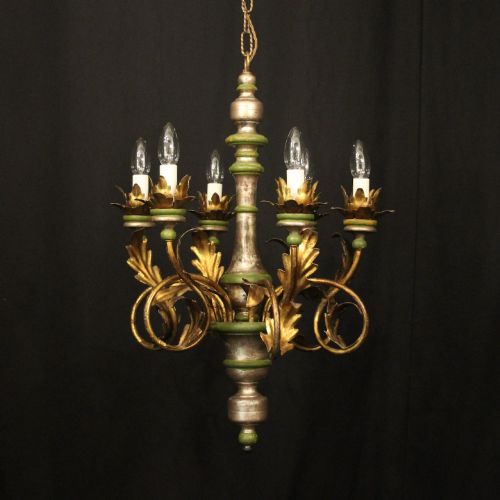
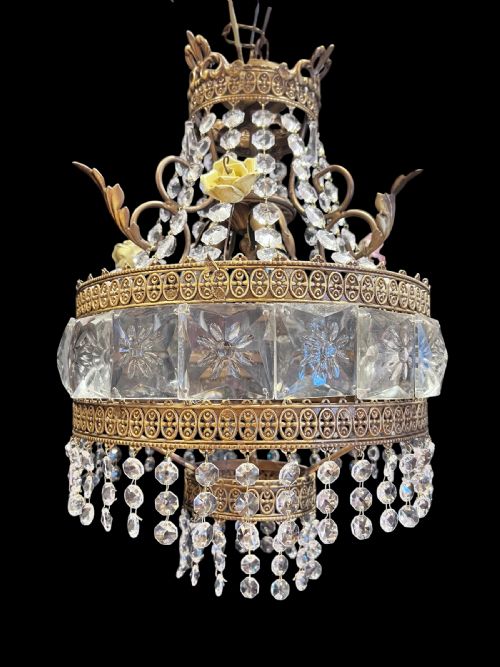
Many chandeliers and wall lights incorporate glass and crystal drops, beads, and pendeloques, which catch and refract the illumination. Additional decorative details include hand-painted porcelain flowers, ceramic elements, and tolewear foliage integrated into the metal frames.
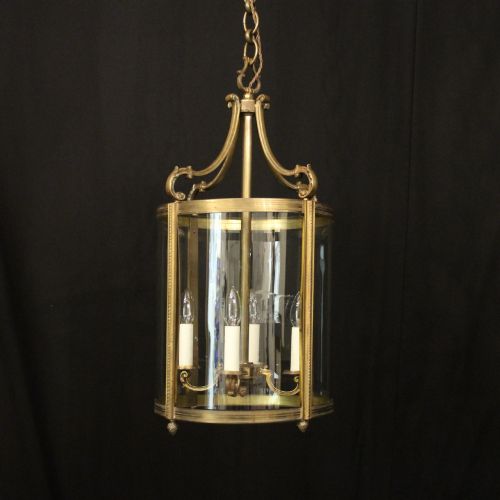
Porcelain flowers and convex hall lanterns add unexpected botanical charm and optical distortion to otherwise formal metalwork.
Distinctions in craftsmanship and design
Quality in these objects is determined by the crispness of the metal chasing, the depth and execution of the wood carving, and the integration of secondary materials like rock crystal or porcelain. Finer pieces display hand-chiselled details on bronze and ormolu mounts rather than uniform, cast-only surfaces.
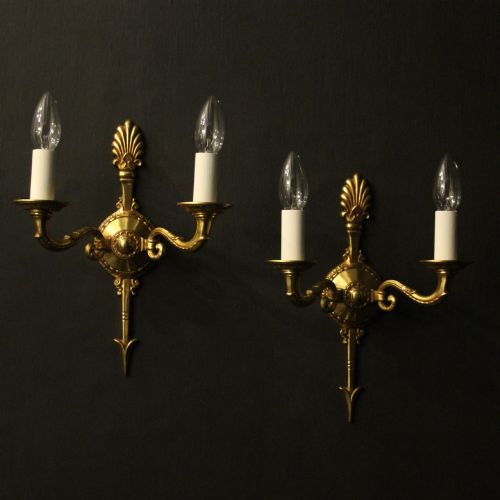
The integrity of the original gilding and the harmony of matched sets also dictate the standing of a piece. Comprehensive sets of four wall lights or large chandeliers with intact crystal drops command attention for their visual cohesion.
Mappin & Webb
The Antique Gilded Lighting Glossary
- Ormolu
- A technique of applying finely ground high-carat gold to a bronze base using mercury, producing a deep metallic lustre. This finish appears frequently on eighteenth and nineteenth-century French lighting.
- Girandole
- A branched wall light or sconce, often incorporating a mirror backplate to reflect illumination. Florentine examples in carved giltwood are typical of this form.
- Pricket candlestick
- A candlestick featuring a central spike upon which a candle is impaled, rather than a socket to hold it. These tend to appear in nineteenth-century brass designs.
- Tent and waterfall
- A chandelier style characterised by strings of crystal beads forming an upper conical tent above a cascading waterfall effect of drops. It is a prominent feature in twentieth-century French pieces.
- Tolewear
- Painted sheet metal shaped to represent foliage, flowers, or structural elements on light fittings. It brings colour and organic form to metal chandeliers.
Antique Gilded Lighting: Frequently Asked Questions
What periods do these lights come from?
The pieces span from the eighteenth century through the Edwardian era up to the nineteen-thirties. Eighteenth and nineteenth-century examples often display Rococo or Neoclassical influences, while nineteen-twenties and thirties items show sustained French and Italian stylistic traditions.
Earlier centuries are represented by Georgian and Louis XV style works in ormolu and carved giltwood, while the early twentieth century contributes numerous multi-arm chandeliers and matched sets of wall sconces.
How do I identify French versus Italian pieces?
French lighting frequently employs gilt bronze, crystal drops, and refined neoclassical or rococo motifs like ribbons and birdcages. Italian items, particularly those from Florence and Genoa, often utilise carved giltwood, elaborate baroque flourishes, and floral porcelain elements.
Examining the underlying materials, such as pine beneath Florentine gesso or cast bronze in French fixtures, helps distinguish regional manufacture.
Were these fixtures converted for electricity?
Many surviving chandeliers and wall lights began as candle or gas-burning apparatuses and have subsequently been wired for electricity. Conversions often utilise internal wiring channels or discreet lamp holders that preserve the original exterior appearance.
Buyers should inspect individual listings to understand the current wiring configuration and bulb compatibility of each piece.
How do I choose the right size chandelier?
Selecting a chandelier depends on the scale of the room and the height of the ceiling. Large twelve-light fixtures or tent-and-waterfall designs suit expansive spaces, whereas smaller three or five-light options fit lower ceilings or intimate rooms.
Considering the number of light arms and the overall diameter helps ensure the fixture balances the proportions of the interior space.