

Antique Gilded Lighting Fixtures
Antique gilded lighting fixtures bring warmth and reflective brilliance to a room, channelling decades of craftsmanship through ornate metalwork and glass.
Antique Gilded Lighting Fixtures
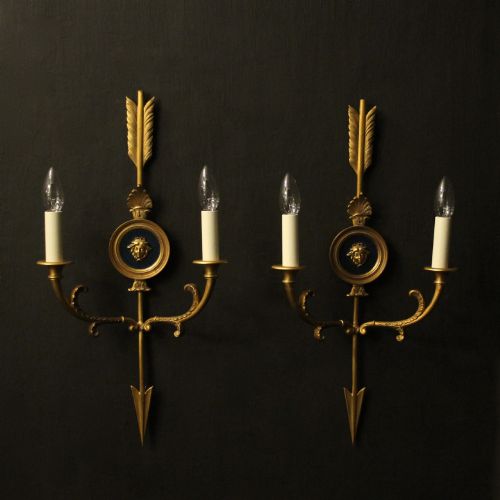
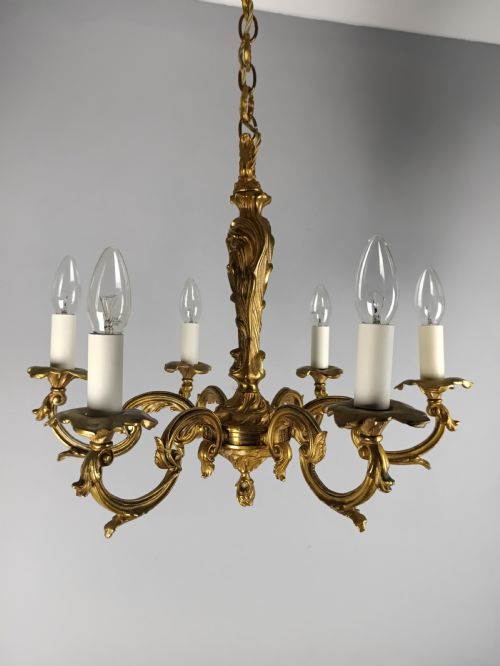
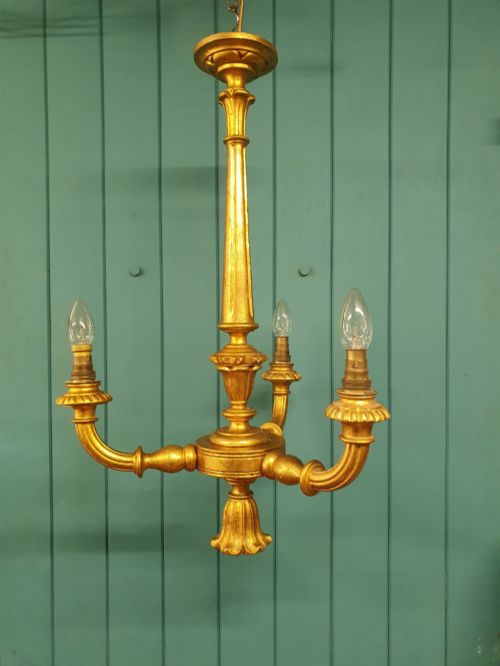
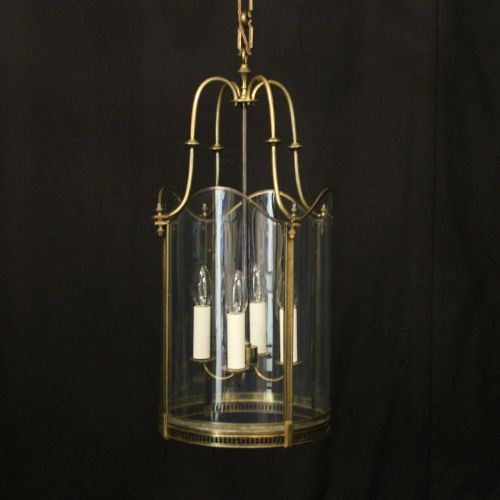
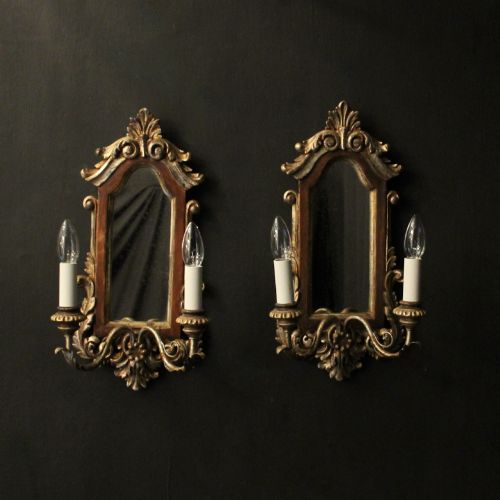
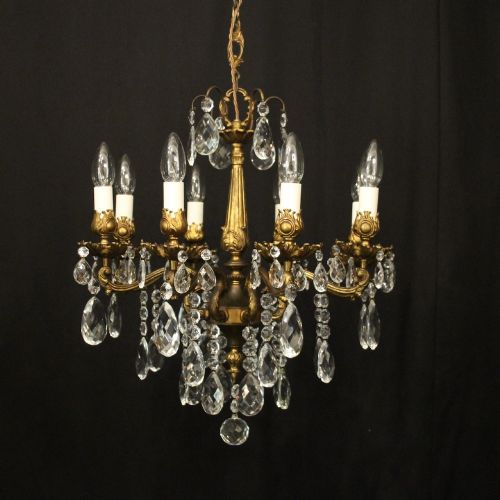
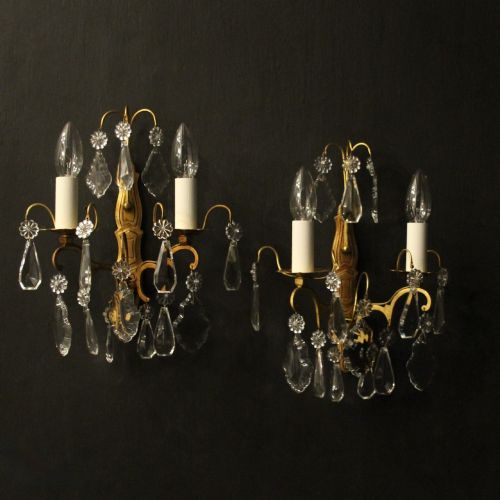
When you search for antique gilded lighting fixtures, you encounter a selection spanning the nineteenth century through the early twentieth century. The primary forms include multi-armed chandeliers, wall sconces, hall lanterns, and girandoles designed to illuminate interiors with regal elegance.
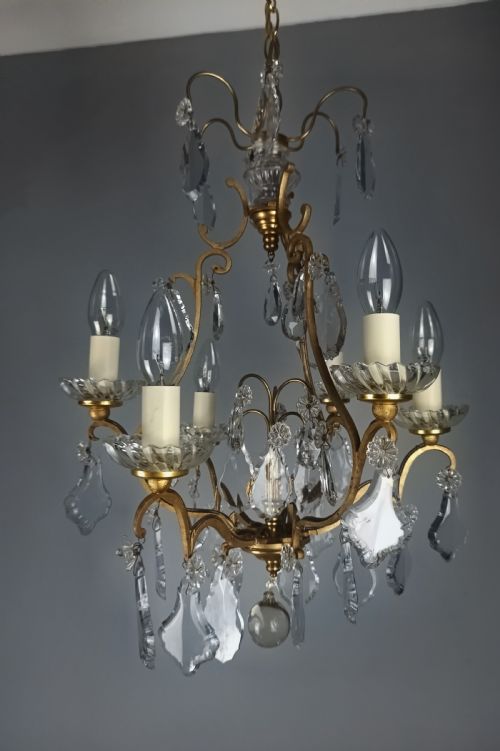
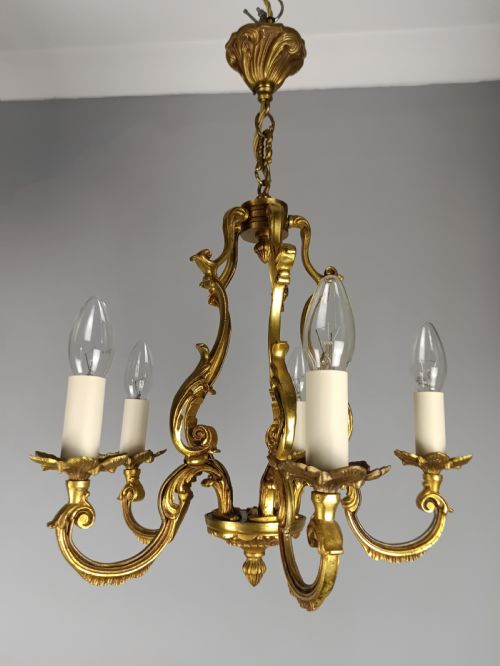
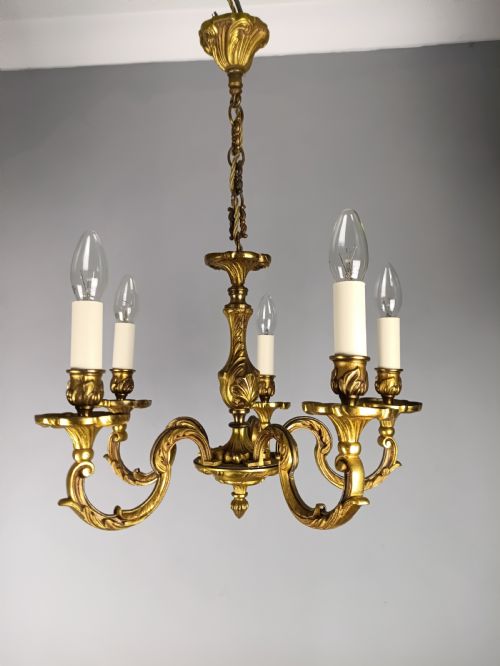
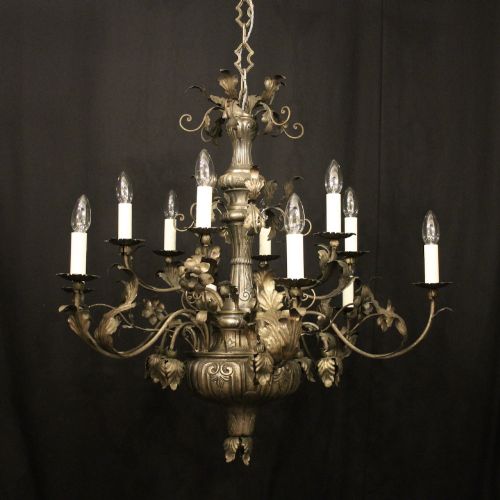
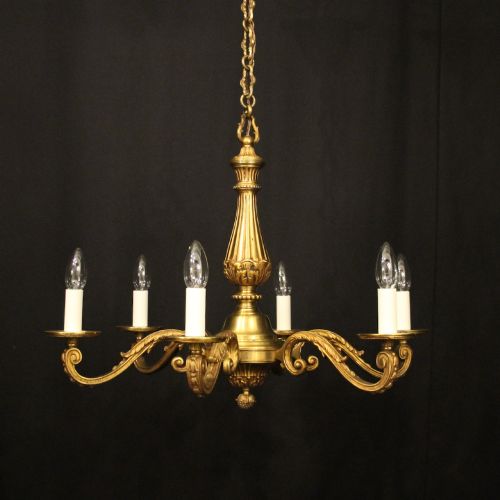
French and Italian origins dominate the selection, showcasing styles from French Rococo and Louis XVI to Florentine Baroque. You will frequently meet pieces featuring glass or crystal droplets, carved giltwood frames, and polished bronze structures.
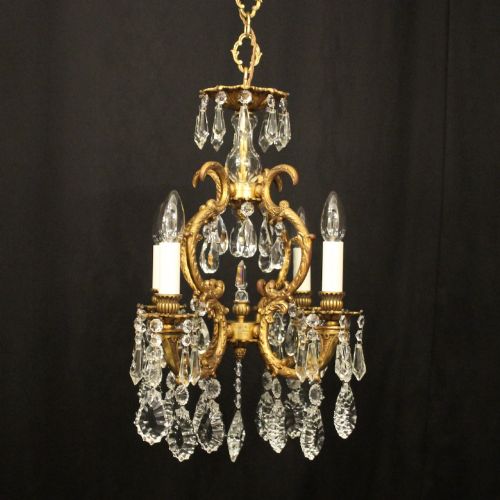
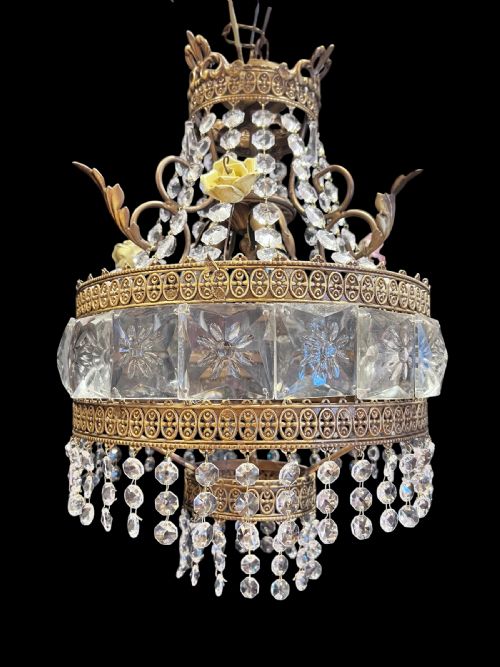
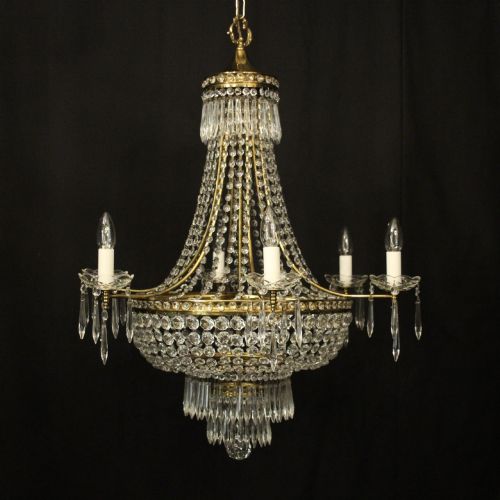
Chandeliers range from simple three-arm configurations to grand twelve-light focal points adorned with porcelain flowers or tent and waterfall crystal arrays. Wall lights and convex lanterns offer coordinated options for smaller spaces or corridors.
Materials and construction
The construction of these pieces relies heavily on cast bronze, brass, and carved wood finished with gold leaf or gilt layers. Artisans shaped metal through casting and chasing, applying meticulous surface treatments to achieve a lasting metallic lustre.
Glass and crystal components, including pendeloques and convex panels, are integrated into metal frameworks using traditional wire or pin mounts. Carved giltwood elements utilise gesso over timber bases to secure intricate decorative motifs before gilding.
Materials documented across the inventory include gilt bronze, carved giltwood, tolewear, and cut crystal.
Judging quality and craftsmanship
Quality reveals itself in the crispness of the chased metal details and the depth of the gilding. Superior pieces display finely articulated cast motifs and secure, hand-wired crystal elements rather than mass-produced uniformity.
The integration of materials dictates the overall harmony of a fixture. Fine examples balance heavy bronze or carved wooden structures with clear, well-cut crystal and robust internal frames that support the weight of multiple arms.
The Antique Gilded Lighting Fixtures Glossary
- Ormolu
- Gilded bronze, where a finely ground gold-mercury amalgam is applied to a bronze object before the mercury is driven off by heat. This technique produces a durable golden finish characteristic of French decorative arts.
- Girandole
- An ornamental branched candlestick or wall-mounted light fixture often incorporating a mirror to reflect the candlelight. The reflective backplate enhances the illumination within the room.
- Giltwood
- Timber, typically carved gesso over wood, coated with gold leaf or powdered metal. It provides a lightweight alternative to solid metal for ornate frames and chandelier structures.
- Tent and waterfall
- A chandelier style featuring strings of beads gathered in a tent shape at the top above a tiered cascade of crystals. This configuration maximises the refraction of light from the central bulbs.
Antique Gilded Lighting Fixtures: Frequently Asked Questions
How do I clean an antique chandelier?
Dust the fixture gently with a soft feather duster or microfibre cloth to remove surface particles.
For deeper cleaning, wipe metal components with a damp cloth and mild soap, avoiding harsh chemicals that might strip the gilt surface.
Can these fixtures be rewired for modern electricity?
Most antique lighting fixtures accept modern electrical wiring safely with professional adaptation.
A qualified electrician can run contemporary internal cables through the original arms and loops without altering the exterior appearance.
What rooms suit a hall lantern?
Hall lanterns fit narrow entryways, corridors, and stairwells where vertical space is limited.
Their enclosed glass panels direct light outward while protecting the interior metalwork from drafts and dust.
How do I identify French styles?
French styles display distinct decorative vocabularies, such as the asymmetric scrolls of Rococo or the geometric symmetry of Louis XVI.
Examining the cast bronze motifs and overall silhouette usually reveals the specific design period.