


Antique Gilded Box
An antique gilded box brings surface light and decorative weight to a desk, table or shelf.
Antique Gilded Box
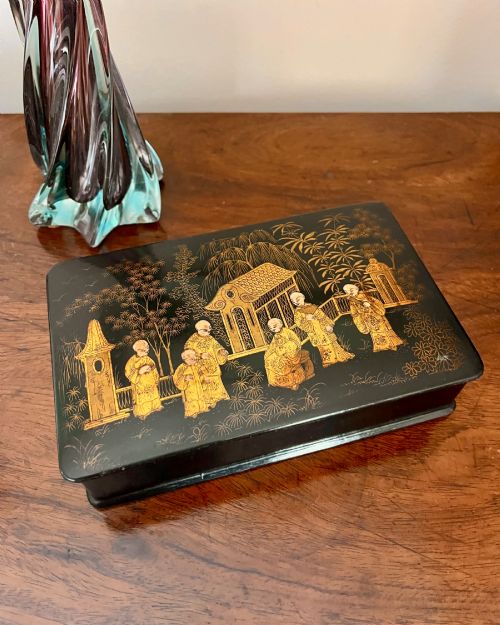
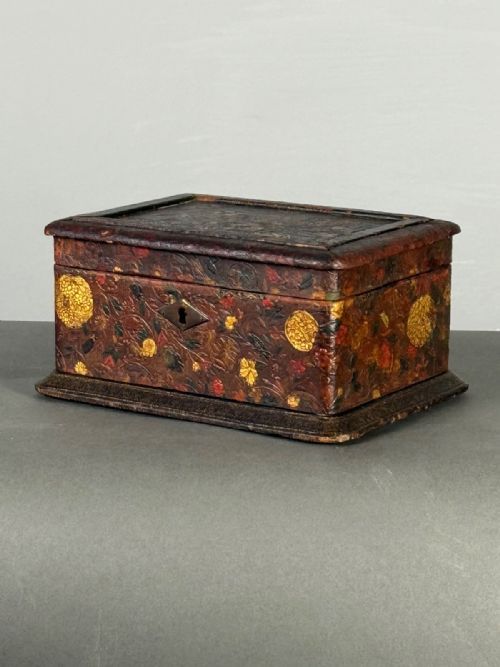
An antique gilded box encompasses a wide assortment of small decorative and utilitarian containers fashioned across the eighteenth, nineteenth and early twentieth centuries. When searching for an antique gilded box, collectors encounter items designed for varied domestic functions, including jewellery storage, trinkets, writing equipment, tea and snuff.
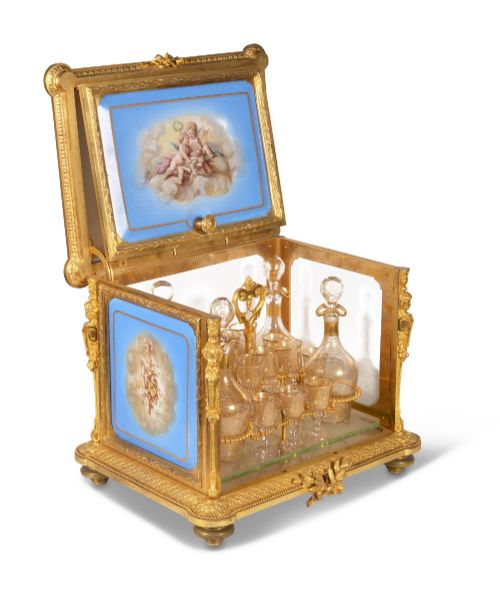
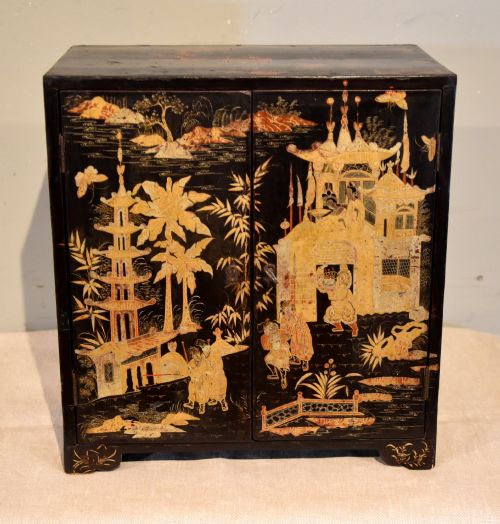
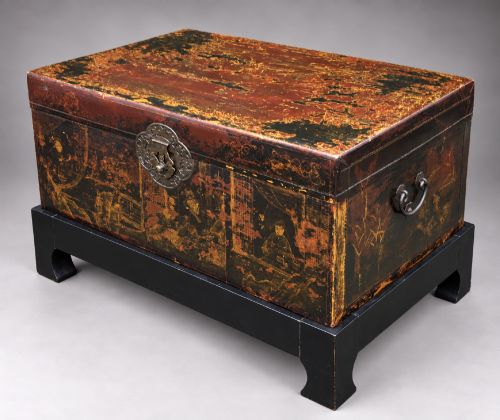
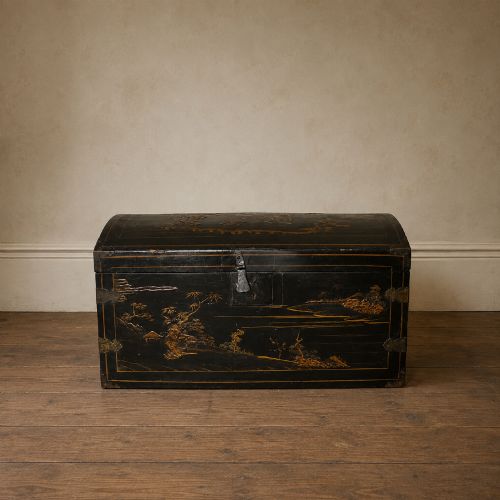
The selection ranges from European porcelain and enamel patch boxes to larger Chinese export lacquer trunks and French ormolu desk sets. Pieces from the Georgian, Victorian and Edwardian eras dominate the current offerings, alongside Asian lacquerware and French glass.
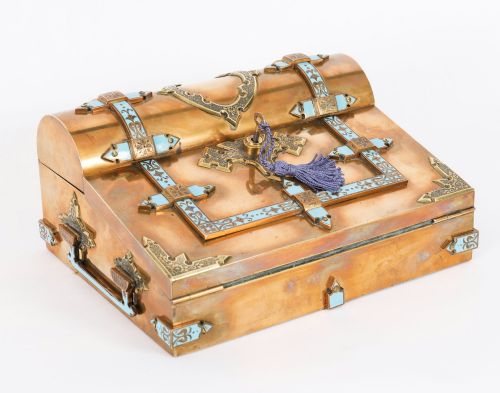
Forms vary from small pocket vinaigrettes to substantial table cabinets and writing slopes, all sharing a reliance on gold leaf, gilt bronze or painted metallic detailing.
How they were made
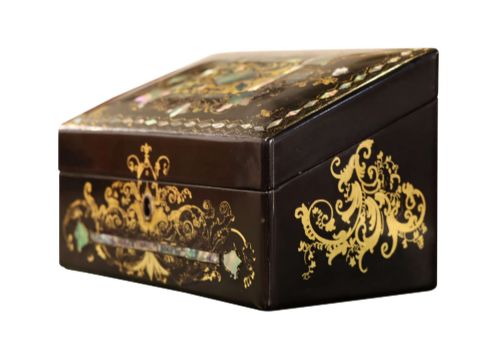
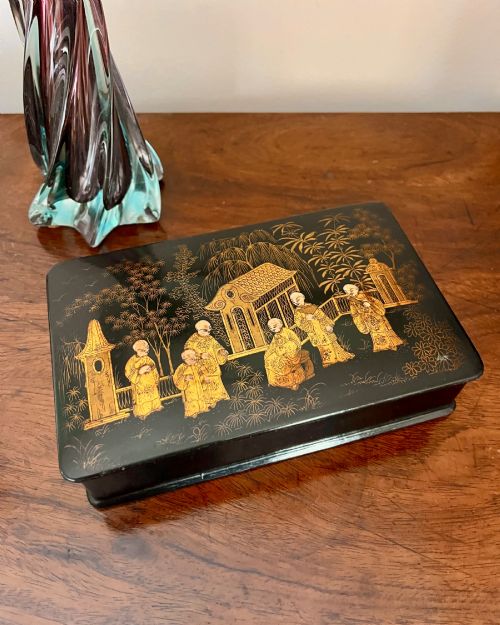
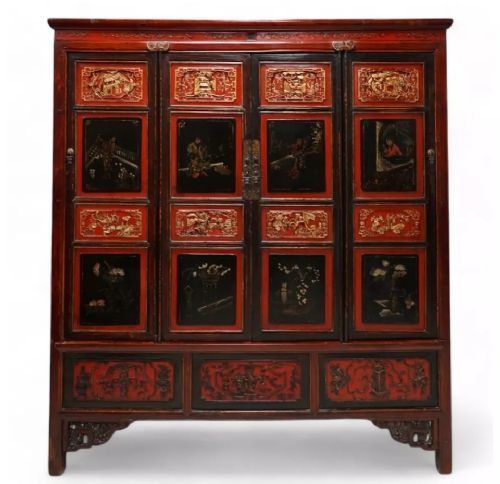
Materials employed in these objects combine rigid substrates such as wood, papier-mâché, brass, copper, porcelain and glass with surface decoration of gold leaf, gilt, ormolu or enamel. Artisans applied layers of lacquer to wooden bases for Chinese export pieces, adding hand-painted or raised gilt motifs.
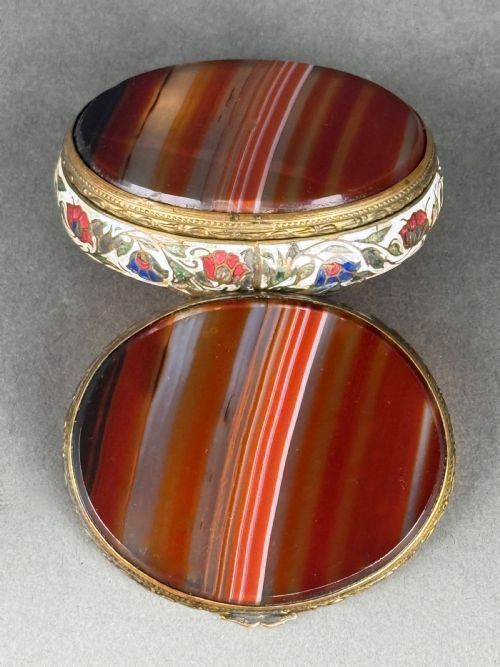
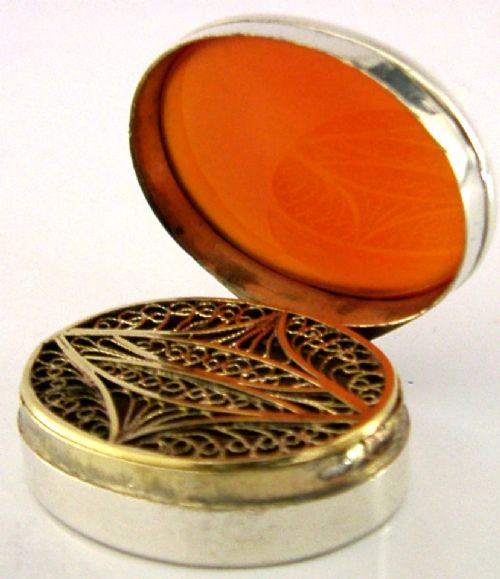
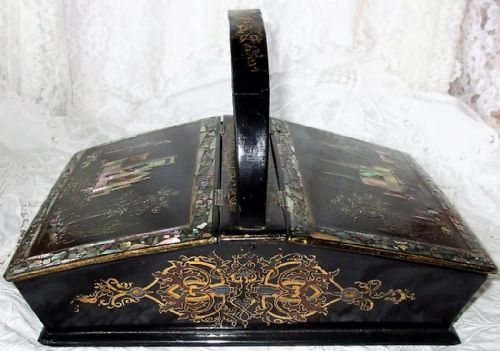
European makers utilised cast ormolu, fire gilding on silver and copper, and delicate enamel work applied to porcelain bodies or metal boxes. Leather and papier-mâché were frequently tooled, painted and highlighted with gold accents to produce sturdy stationery boxes and needlework caskets.
Antique Gilded Box Retail Price Guide 2026
Typical asking prices for gilded box among the pieces listed under this phrase on Sellingantiques today, from the lower quarter to the upper quarter. They describe what is for sale here now, not the wider market.
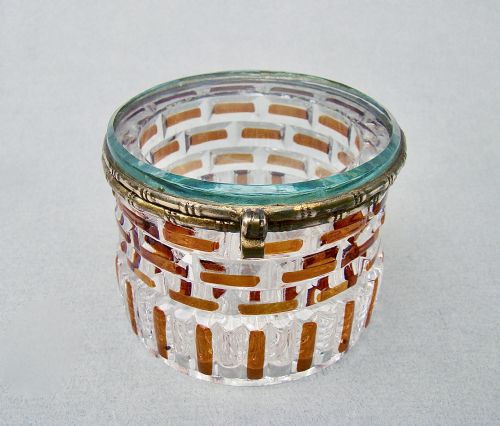
Materials span Baccarat crystal, papier-mâché, porcelain, tortoiseshell, copper, and solid silver gilt.
What varies in quality
Quality in these items rests upon the precision of the underlying construction and the finesse of the surface ornamentation. Superior examples display crisp chasing on ormolu mounts, finely detailed hand-painted miniatures on enamel or porcelain, and intact, undisturbed layers of gold leaf or lacquer.
Lesser pieces exhibit worn gilding, clumsy repairs to wooden or papier-mâché bodies, or replacement hardware that disrupts the period integrity of the object.
Susse Freres Paris·Edme Samson Of Paris·Toshozan
The Antique Gilded Box Glossary
- Ormolu
- Gilded bronze mounts and decorative details popular on nineteenth-century French and English furnishings and boxes. The technique involves applying a mercury and gold amalgam to cast bronze.
- Vinaigrette
- A small ornamental box featuring a perforated internal grille, designed to hold a sponge soaked in aromatic vinegar. These were carried in pockets during the Georgian and Victorian periods.
- Chinoiserie
- European artistic style reflecting Chinese motifs and techniques, frequently seen on lacquered boxes and cabinets from the eighteenth and nineteenth centuries.
- Papier-mâché
- A composite material made of paper pulp or reinforced sheets of paper mixed with glue, moulded into boxes and caskets, then dried, lacquered and painted.
- Tea caddy
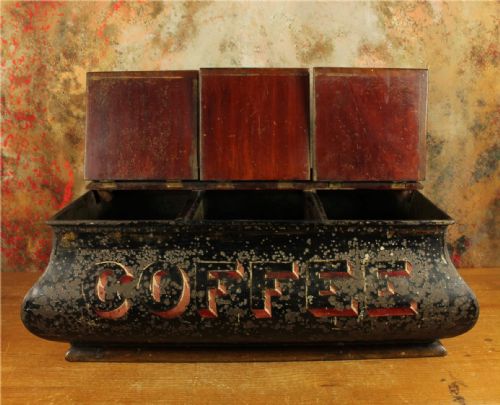
- A container designed to store dry tea leaves securely, often featuring internal compartments and locking lids to protect expensive nineteenth-century imports.
Antique Gilded Box: Frequently Asked Questions
What were antique gilded boxes used for?
These containers served specific domestic and personal purposes ranging from securing correspondence and jewellery to holding tea, snuff and sewing implements. Their internal compartments reflect the organised habits of past households.
Smaller receptacles like patch boxes and vinaigrettes were carried on the person or kept on dressing tables, while larger writing slopes and cabinets anchored desks in grand interiors.
How can I tell a Victorian box from a Georgian one?
Georgian pieces often display restrained neoclassical motifs, sterling silver mounts or fine eighteenth-century enamel work. They tend to have simpler, heavier proportions and distinct hallmarks where precious metals are present.
Victorian boxes frequently embrace ornate revival styles, including French Rococo or Gothic influences, utilising papier-mâché, extensive ormolu and complex interior trays for stationery or writing.
How do I care for antique lacquer and gilt surfaces?
Preserving these materials requires keeping them away from direct sunlight and fluctuating humidity to prevent the wood underneath from expanding or the lacquer from cracking. Dusting should be done gently with a dry, soft cloth without liquid cleaners.
Harsh chemical polishes must be avoided entirely, particularly on gilt bronze or gold leaf, as abrasives quickly wear away the delicate historic finish.