





Antique Gift Set
An antique gift set brings together fitted silver and lined cases, offering a glimpse into past occasions of celebration.
Antique Gift Set
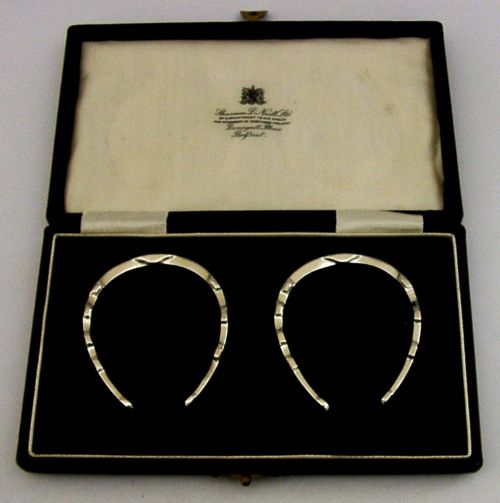
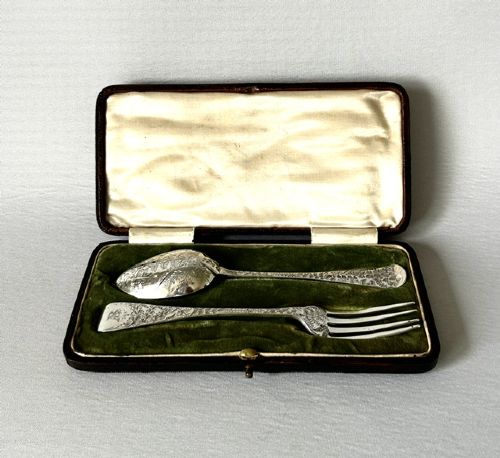
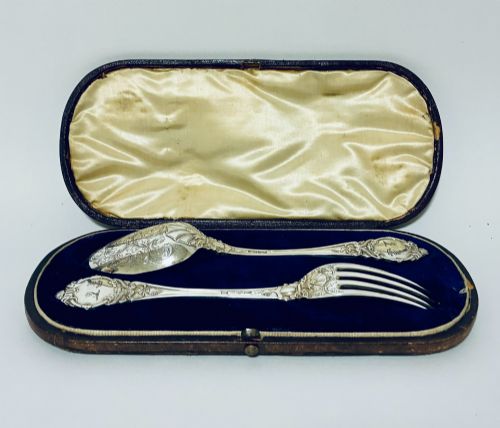
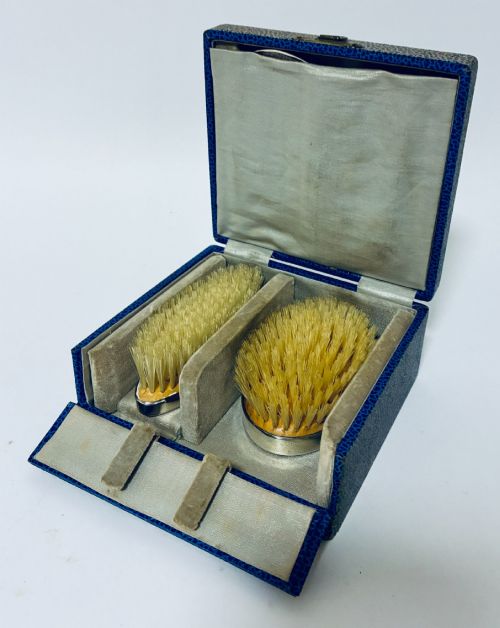
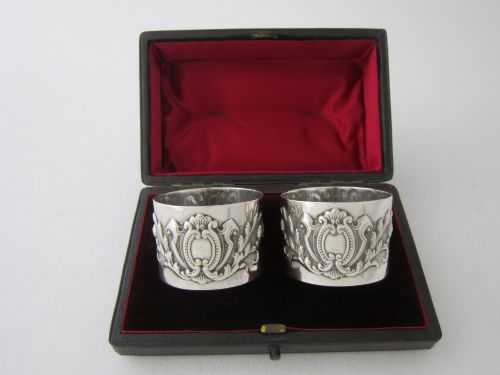
An antique gift set comprises coordinated silver items presented in fitted boxes, designed specifically for presentation on landmark occasions. These ensembles frequently take the form of Christening sets, napkin rings, or cutlery collections intended for formal dining.
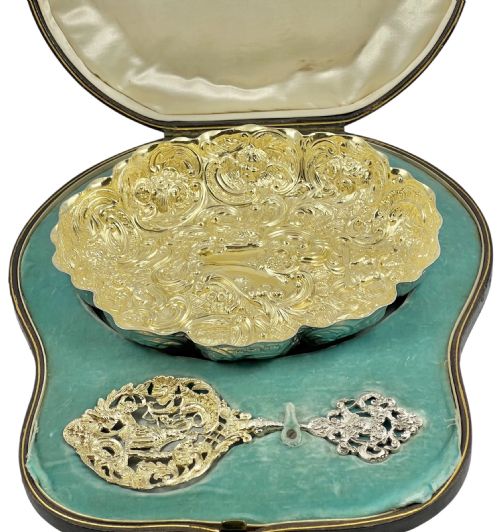
The selections span from the Victorian era through the Edwardian period and into the Art Deco years, reflecting changing tastes in presentation. Christening sets and cased napkin rings dominate the offerings, often featuring matching spoons, forks, or silver-gilt sugar bowls.
Originating largely from British silversmiths, these sets survive with their original fitted containers lined in fabrics like silk, satin, or velvet. Such packaging highlights their original purpose as treasured presents handed down through families.
What varies in quality
The standard of an antique gift set depends heavily on the crispness of the silversmith's work and the structural integrity of the housing. Sets featuring detailed repoussé decoration or novelty forms display higher artistry than plain utilitarian equivalents.
The condition and completeness of the original fitted case significantly influence the overall standing of the set. Original linings of silk or velvet that remain intact and clean elevate the piece compared to those with replacement or heavily worn interiors.
Antique Gift Set Retail Price Guide 2026
Typical asking prices for gift set among the pieces listed under this phrase on Sellingantiques today, from the lower quarter to the upper quarter. They describe what is for sale here now, not the wider market.
Listings feature items spanning the Victorian, Edwardian, and Art Deco periods, created in sterling silver, silver-gilt, and silver plate.
C.T. Burrows & Sons·Tiffany & Co·John Round·Thomas Harwood and Co
The Antique Gift Set Glossary
- Silver-gilt
- Sterling silver that has been coated with a thin layer of gold on its surface. This technique adds a warm tone to spoons, bowls, and interior details.
- Hallmark
- A series of stamped marks on precious metals indicating the standard of purity, the assay office, the maker, and the year of manufacture. These symbols provide a reliable method for dating British silver.
- Christening set
- A matched collection of cutlery or tableware presented to a child on the occasion of their baptism. They commonly include a spoon, fork, or knife housed in a fitted presentation box.
- Leatherette
- An imitation leather material used to cover the exterior of presentation cases in later periods. It offered a durable yet neat outer finish for cased silverware.
- Repoussé
- A metalworking technique where the silversmith hammers the design from the reverse side to form a raised pattern on the front. This method creates tactile floral or scroll decorations on Christening sets and bowls.
Antique Gift Set: Frequently Asked Questions
What is included in an antique Christening set?
These sets generally comprise a matching silver spoon and fork, sometimes accompanied by a knife or a small bowl. They were designed as traditional presents for newborn infants.
Most examples arrive within their original fitted presentation boxes lined with silk or velvet. The pieces frequently bear detailed hallmarks from silversmiths active during the Victorian and Edwardian eras.
How do I identify the date of a cased silver set?
Dating relies upon the hallmarks stamped directly into the metal components of the spoons, forks, or napkin rings. These marks indicate the specific assay office and year letter.
The style of the fitted case and the typography on the silk interior lining also offer strong clues regarding the period of manufacture, ranging from mid-Victorian to Art Deco.
What materials are found inside the presentation cases?
The interior beds of these cases are typically lined with soft fabrics such as silk, satin, or velvet to cushion the silver components. These fabrics were moulded specifically to fit the contours of each spoon, fork, or napkin ring.
Outer coverings of the boxes consist of leather, leatherette, or textured paper designed to protect the contents from dust and tarnishing.