

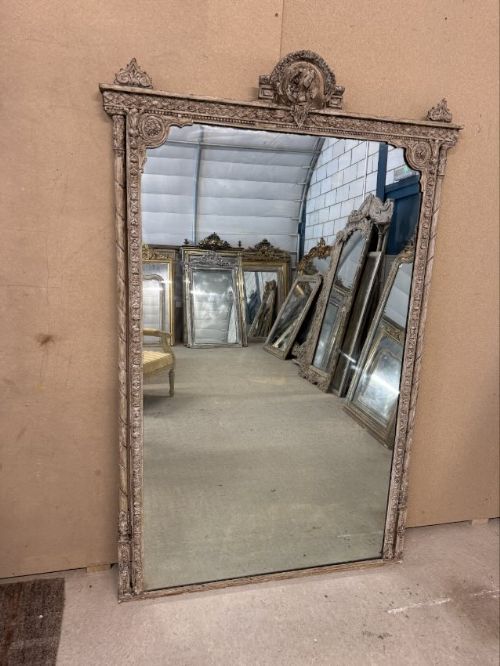
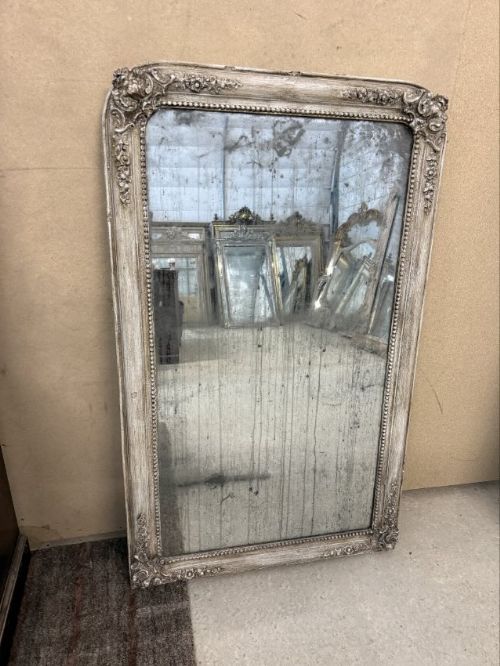
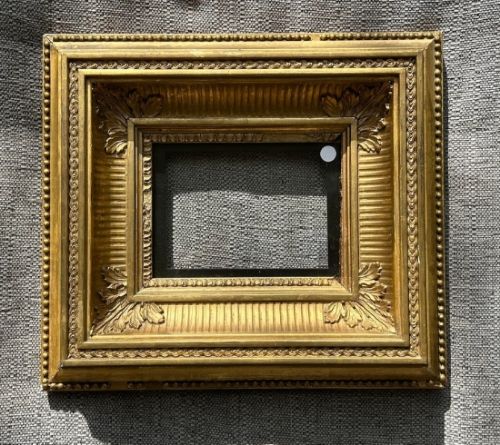
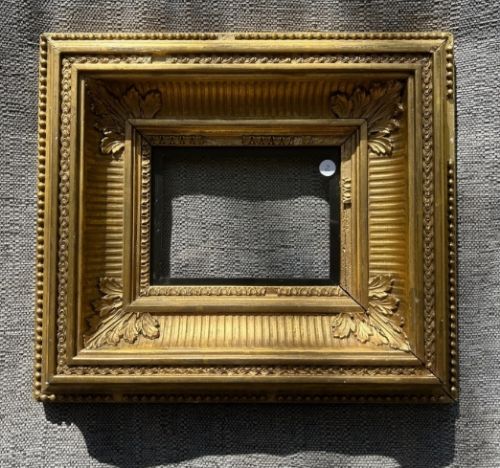


Antique Gesso Framed Painting
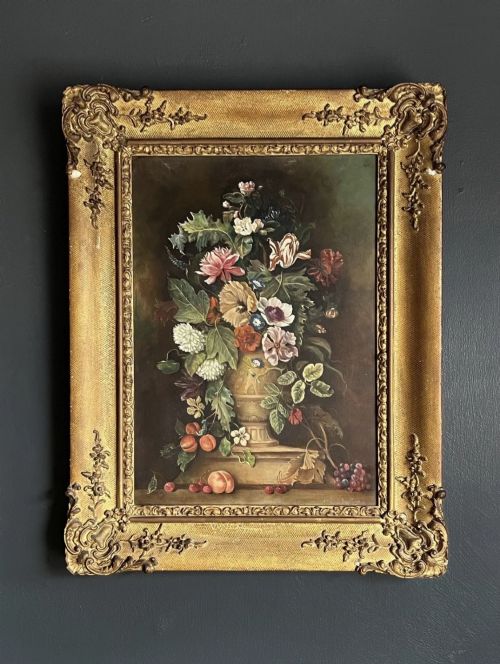
An antique gesso framed painting combines skilled canvas work with ornate moulded plaster detailing, offering historic charm and deep texture for period interiors.
Antique Gesso Framed Painting
When searching for an antique gesso framed painting, collectors encounter pieces that pair historic oil on canvas or oil on board artworks with decorative plaster-coated wooden surrounds. These works span the Victorian era, the nineteenth century, and early twentieth-century periods.
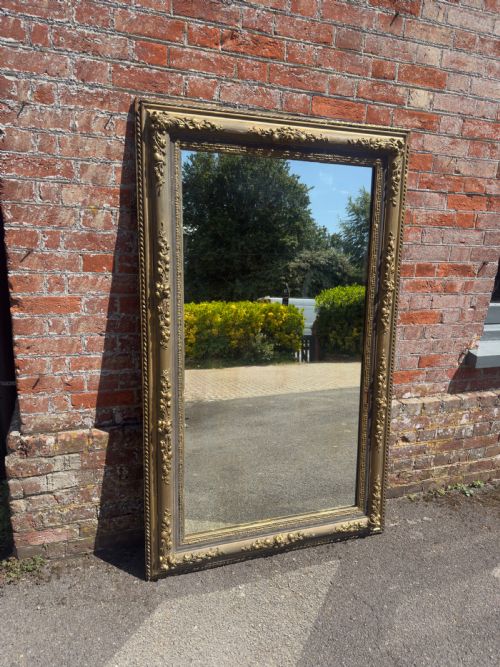
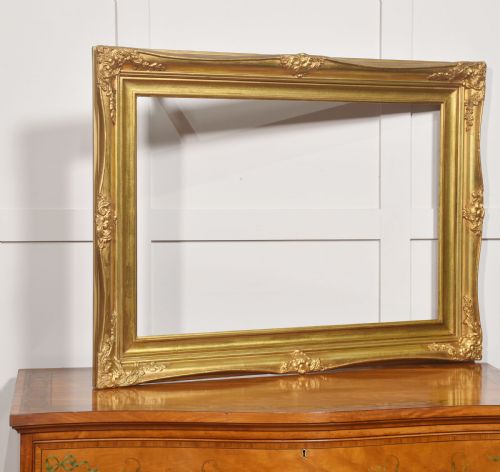
The assortment includes original landscape and portrait paintings housed in ornate giltwood and gesso frames, alongside standalone picture frames and overmantle mirrors featuring heavy moulded surface relief.
French and English origins dominate the selection, showing styles ranging from Rococo Revival and Arts and Crafts to French Provincial and nineteenth-century European traditions.
How they were made
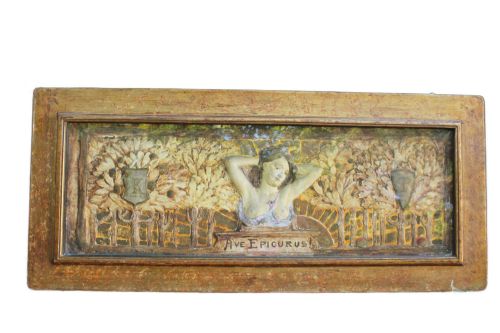
Craftsmen built the foundation of each piece using carved wood, forming structural frames or panels that received layers of gesso, a mixture of plaster and glue binder, to build up decorative reliefs and smooth surfaces.
Makers then applied gold leaf, giltwood, or paint directly over the gesso ground to achieve rich metallic lath or polychrome finishes that highlight the underlying carved details.
Antique Gesso Framed Painting Retail Price Guide 2026
Typical asking prices for gesso framed painting among the pieces listed under this phrase on Sellingantiques today, from the lower quarter to the upper quarter. They describe what is for sale here now, not the wider market.
French provincial and English overmantle mirrors form a major part of the available art and mirror selections.
What varies in quality
The depth and clarity of the moulded gesso ornamentation separate standard framing from exceptional artistic execution, where intricate scrolls, fluting, and floral motifs retain sharp definition.
Original surface treatments, such as untouched gold leaf or period paint layers, preserve the integrity of the object better than later overpainting or heavy restoration.
Armand Guillaumin
The Antique Gesso Framed Painting Glossary
- Gesso
- A plaster-based mixture applied to wood frames and panels to create a smooth surface for gilding or painting. It accepts deep carving and relief moulding.
- Giltwood
- Timber coated with gold leaf or metallic powder applied over a prepared ground. It provides a luminous finish that catches ambient light.
- Overmantle
- A large mirror or painting designed to hang specifically above a fireplace mantel. These pieces frequently feature architectural framing elements.
- Rococo
- An ornate decorative style characterised by asymmetrical scrolls, C-curves, and naturalistic plant motifs. It heavily influences nineteenth-century frame designs.
- Polychrome
- The practice of decorating architectural elements, sculptures, or frames in multiple colours. It adds vibrant contrast to plaster relief works.
Antique Gesso Framed Painting: Frequently Asked Questions
What is gesso framing?
Gesso framing involves applying a chalk or plaster mixture over a wooden base to form raised decorative patterns before gilding or painting.
This technique allows makers to create elaborate three-dimensional surface details that traditional wood carving alone cannot achieve easily.
How do I hang a heavy overmantle mirror?
Heavy overmantle mirrors require secure wall fixings anchored directly into structural studs or masonry to support the substantial combined weight of the wood, glass, and gesso.
Professional hanging hardware distributed across multiple points ensures the frame remains stable and safe.
Can frames and paintings be separated?
Many antique frames and paintings were created together as a unified composition, though canvases and panels are sometimes rehoused over the centuries.
Keeping original pairings intact preserves the historical context and aesthetic balance intended by the maker.
How do I clean an antique gilt frame?
Dusting gently with a soft, dry brush removes surface particles without disturbing delicate gesso and gold leaf layers.
Moisture and chemical cleaners damage historic finishes, so wet cleaning should be avoided entirely.