


Antique Gesso Carving
Antique gesso carving brings depth and texture to interior walls through centuries-old sculptural woodwork finished in plaster and gold leaf.
Antique Gesso Carving
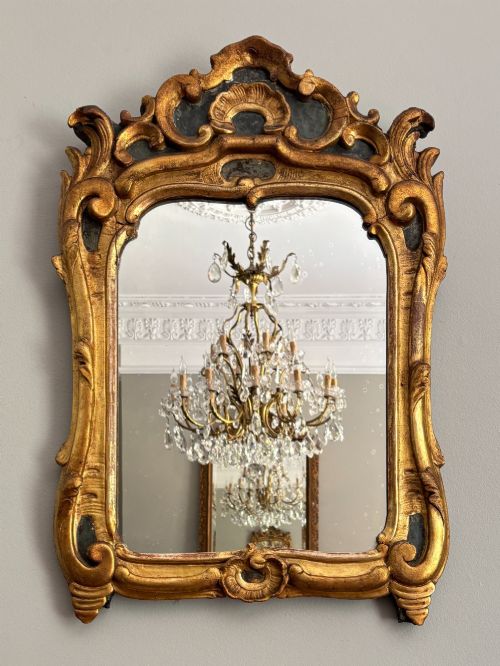
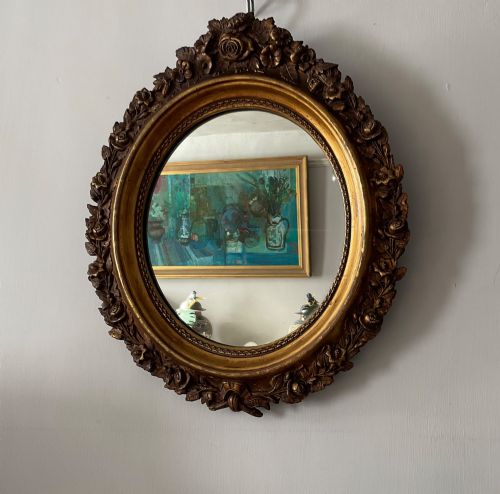
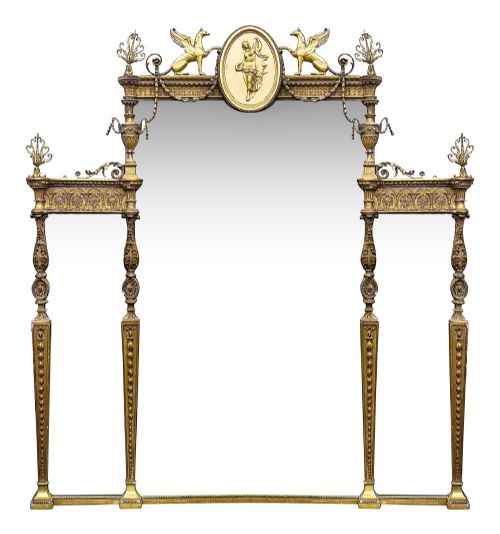
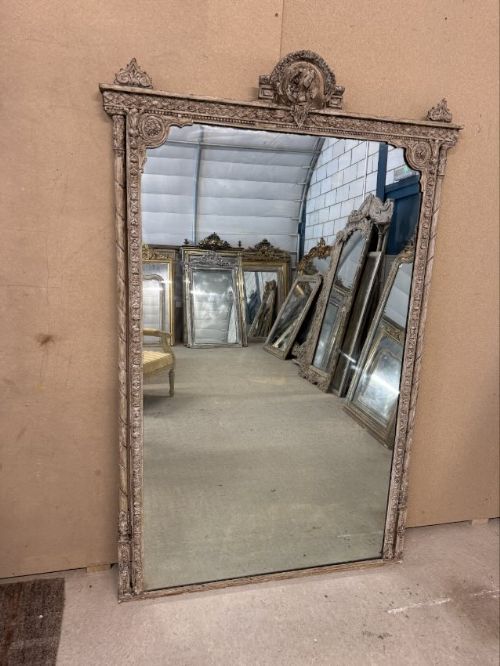
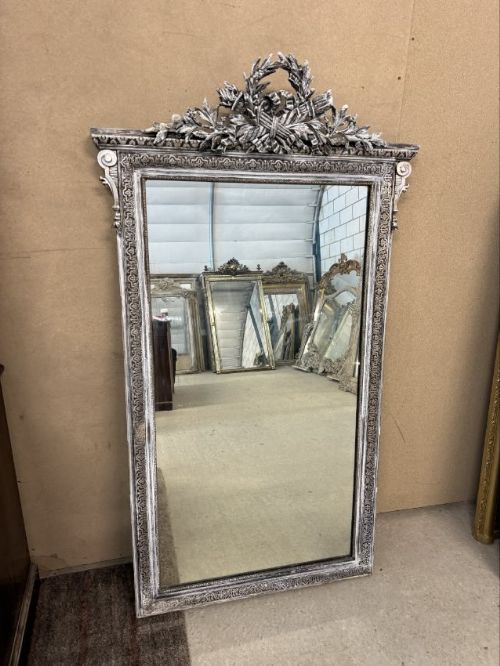
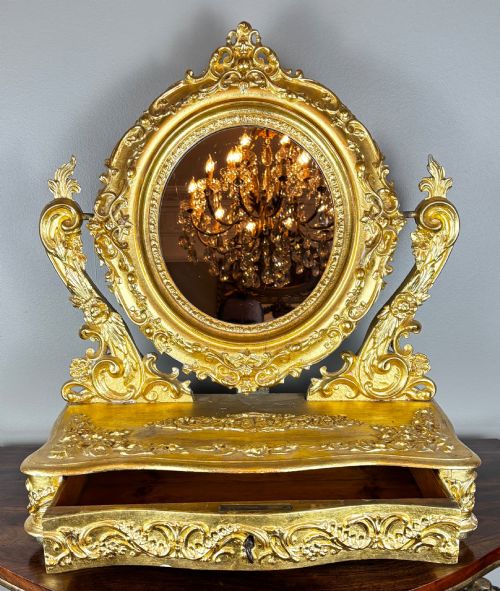
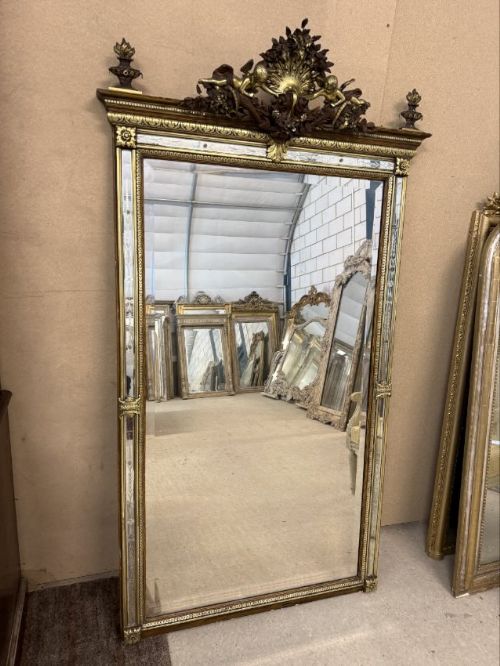
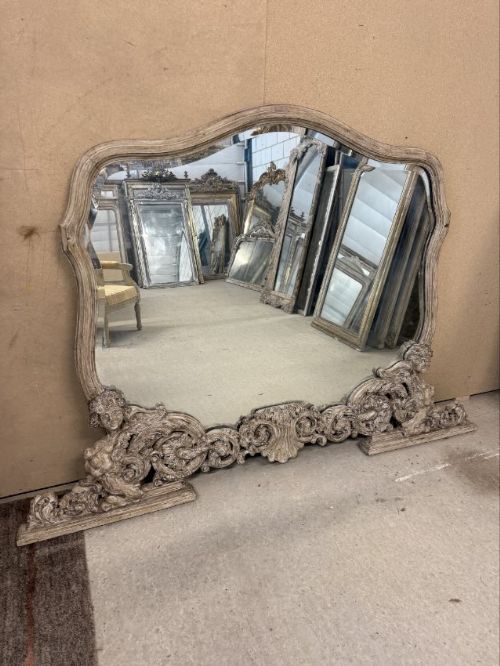
Antique gesso carving primarily manifests in wall mirrors, overmantels, picture frames, and wall sconces spanning the eighteenth and nineteenth centuries. These pieces originate from English and French workshops, encompassing styles from George II to Napoleon III.
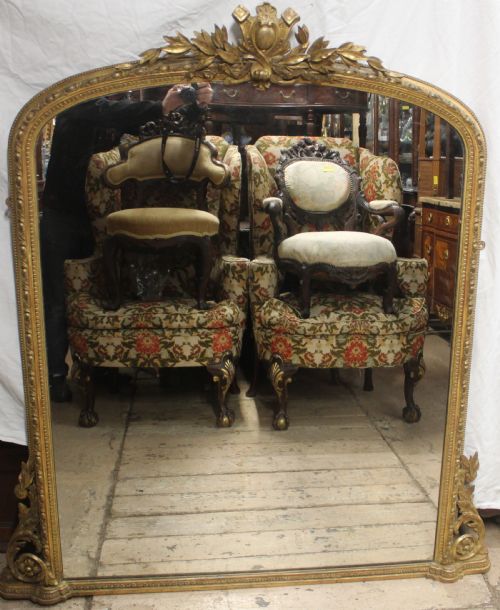
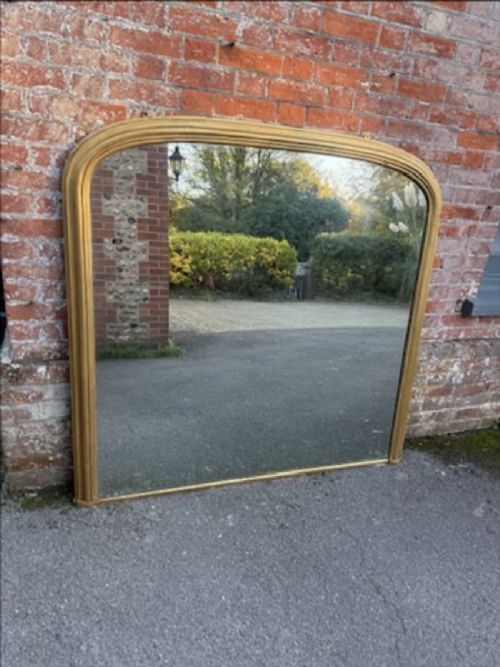
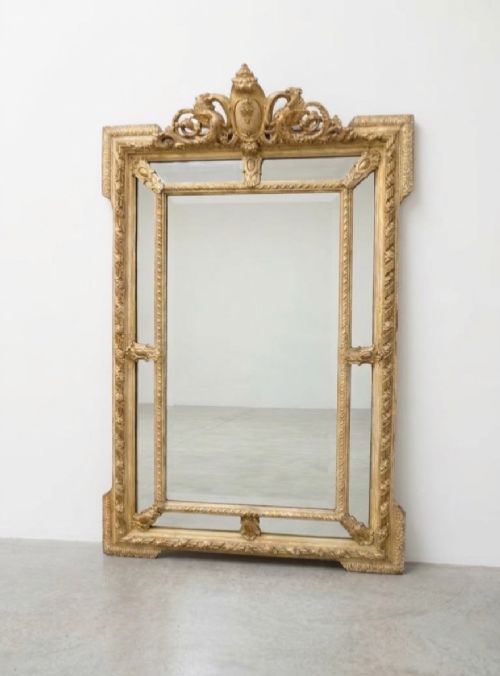
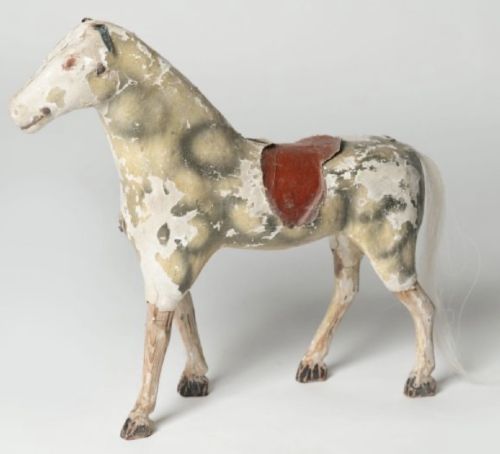
The most common items met on this page are large nineteenth-century English overmantel mirrors featuring arched tops and ornate frames. French chateau mirrors and carved wooden figures also appear among the offerings.
Materials and Technique
Artisans built the structural foundation from carved wood, applying layers of gesso plaster to build up intricate relief details and mouldings. Gold leaf and giltwood finishes were then applied over the prepared plaster base.
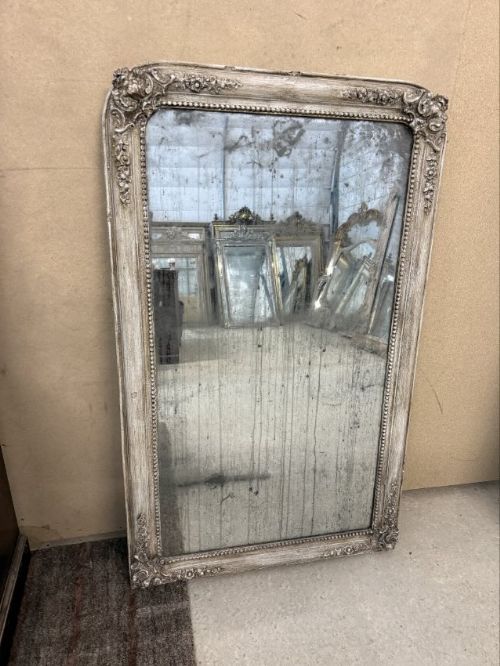
Mirrors frequently retain original mercury glass plates, while sculptural works incorporate polychrome finishes alongside bare gesso and gilding.
Antique Gesso Carving Retail Price Guide 2026
Typical asking prices for gesso carving among the pieces listed under this phrase on Sellingantiques today, from the lower quarter to the upper quarter. They describe what is for sale here now, not the wider market.
Listings span the eighteenth and nineteenth centuries, featuring styles from George II to Napoleon III.
Distinctions in Execution
The crispness of the modelled relief work and the depth of the underlying wooden carving separate superior examples from simpler production. Hand-tooled ornament retains sharper definition in floral and scroll motifs.
The preservation of original gilding and early glass plates influences the integrity of the piece. Integrated frames where gesso adheres securely to the timber substructure indicate disciplined workshop practices.
The Antique Gesso Carving Glossary
- Gesso
- A plaster mixture applied to wood surfaces to create a smooth or sculpted base for gilding and painting. It allows intricate relief ornaments to be modelled directly onto the frame.
- Giltwood
- Timber that has been coated with gold leaf or gold paint. It forms the primary visible surface for many mirrors and picture frames.
- Overmantel mirror
- A large mirror designed to hang above a fireplace mantel. These pieces frequently incorporate arched tops and architectural framing.
- Putto
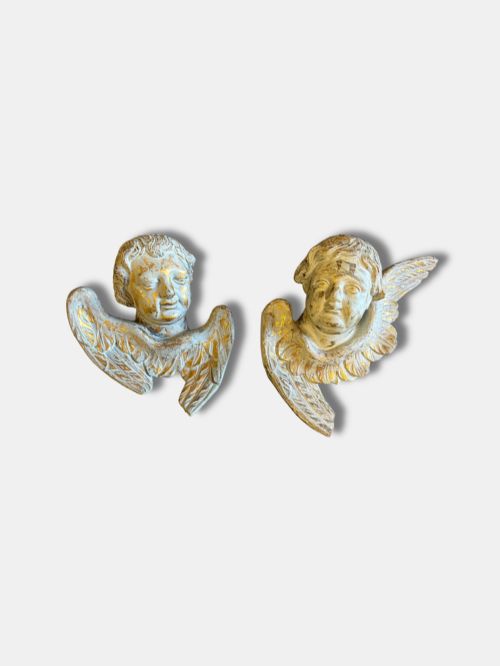
- A figure of a small winged infant, commonly carved in wood during the eighteenth century. These sculptures appear as decorative architectural elements.
- Mercury glass
- A type of double-walled silvered glass popular in nineteenth-century mirrors. It produces a characteristic mottled reflection.
Antique Gesso Carving: Frequently Asked Questions
How do I clean antique gesso?
Dust surfaces gently with a soft dry brush, avoiding moisture and abrasive cleaning products that dissolve water-soluble plaster layers.
Keep pieces away from direct heat sources to prevent the wood substrate from expanding and cracking the delicate gesso finish.
Are these mirrors original?
Listings include items with original mercury glass and period frames dating from the eighteenth and nineteenth centuries.
Examine the backboards and joining methods to understand the construction age and historical context of each individual piece.
What is an overmantel mirror?
An overmantel mirror is a substantial wall-hanging glass designed specifically for placement above a fireplace mantelpiece.
These pieces often feature architectural framing elements such as columns, rope twists, and arched crests to anchor large interior spaces.
How do I date a gesso frame?
Dating relies on stylistic markers such as Rococo revival scrolls, George II proportions, or Napoleon III decorative motifs.
Construction details, timber types, and the composition of the gesso layer also provide clues to the manufacturing period.