




Antique George Jones
Antique george jones pieces encompass striking majolica ceramics and silver tableware that bring rich Victorian and early twentieth-century character to a home.
Antique George Jones
When you search for antique george jones, you are looking at items produced by the renowned maker alongside silver works bearing related names. The pieces on this page span several categories, including decorative majolica tablewares and silver desk accessories.
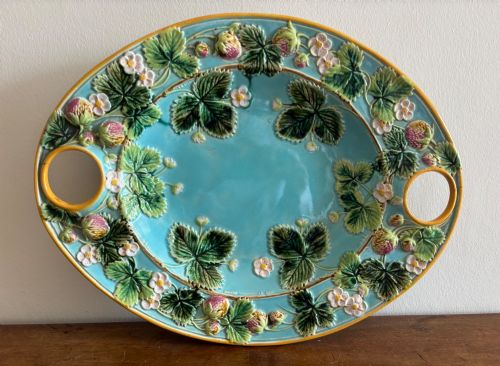
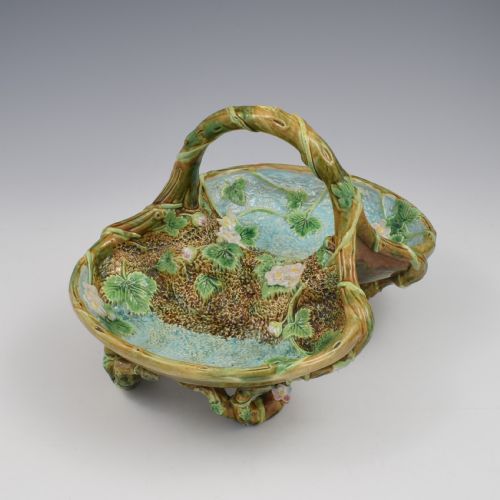
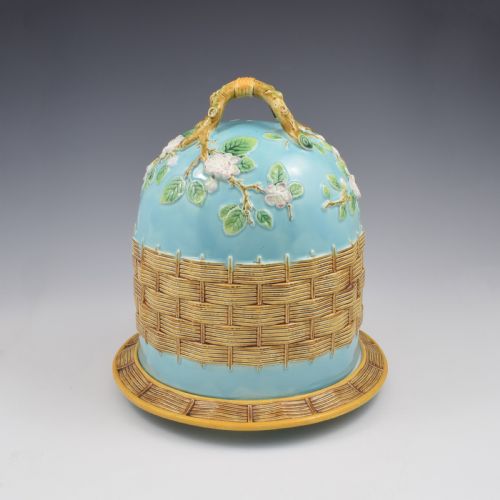
You are most likely to meet Victorian majolica cheese domes, fruit baskets, and jugs featuring naturalistic motifs like apple blossoms, bullrushes, and lilies. These ceramics sit alongside silver napkin rings and desk sets from the 1920s.
The selection also reaches into the eighteenth century through historical engravings and touches upon Crescent China plates. Such variety reflects both the pottery output and the wider output attributed to makers bearing the name Jones.
How they were made
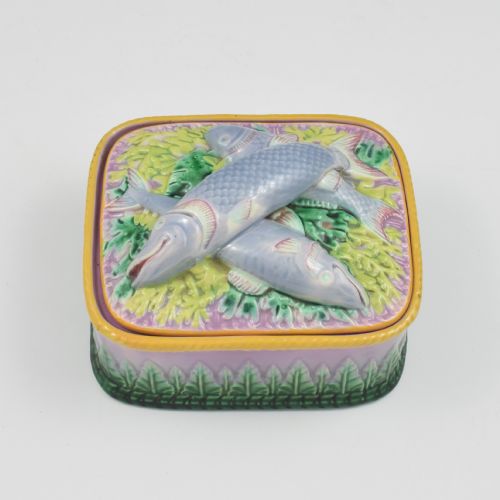
The ceramics are shaped from earthenware and finished with lead glaze to create the vibrant coloured surfaces characteristic of majolica. Artisans moulded these pieces into complex naturalistic forms such as baskets, sardine boxes, and strawberry dishes.
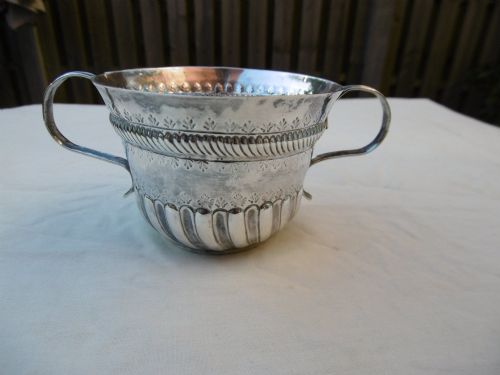
Metalwork items utilise sterling silver and silver gilt, often shaped with hammered textures. Makers employed traditional smithing techniques in Birmingham workshops during the early twentieth century to produce items like napkin rings and desk sets.
Paper and glass also appear among the materials used for complementary items such as eighteenth-century engravings. Wood provides the backing or mounts for certain framed works and decorative pieces.
Antique George Jones Retail Price Guide 2026
Typical asking prices for george jones among the pieces listed under this phrase on Sellingantiques today, from the lower quarter to the upper quarter. They describe what is for sale here now, not the wider market.
Listings feature Victorian earthenware majolica alongside 1920s silver desk sets and eighteenth-century paper engravings.
What varies in quality
Quality in these ceramics depends upon the crispness of the moulded relief and the richness of the coloured glaze application. Pieces with complex naturalistic details like apple blossoms or bullrushes demonstrate greater sculptural ambition.
In silver items, the distinction lies in the weight of the metal, the precision of hallmarks, and the presence of hand-hammered surface textures. Maker marks and gilding preservation also influence the standing of desk sets and napkin rings.
George Jones·Albert Edward Jones·Marson And Jones·John Jones
The Antique George Jones Glossary
- Majolica
- A type of earthenware pottery glazed with opaque coloured lead glazes that produce rich, vibrant hues. It gained immense popularity during the Victorian era for decorative and tableware items.
- Lead Glaze
- A glossy coating containing lead compounds applied to ceramic bodies before firing. This technique gives majolica its distinctive shiny surface and brilliant colour depth.
- Silver Gilt
- Sterling silver that has been coated with a thin layer of gold on its surface. This finish was frequently applied to fine desk sets and presentation pieces.
- Earthenware
- Porous pottery fired at relatively low temperatures and rendered waterproof through glazing. It serves as the primary ceramic body for nineteenth-century majolica.
Antique George Jones: Frequently Asked Questions
What is george jones majolica?
George jones majolica refers to colourful lead-glazed earthenware produced by the Victorian pottery factory. These items are celebrated for their bold naturalistic designs, including fruit baskets, cheese bells, and jardinières.
Collectors prize them for their sculptural forms and brilliant palettes, which make striking decorative centrepieces in traditional and eclectic interiors alike.
How were cheese domes used?
Cheese domes and stands were functional Victorian dining accessories designed to keep large cheeses fresh on the sideboard. The domed cover trapped moisture and protected the food between meals.
In daily life, they served both a practical purpose for hospitality and a decorative role, often modelled as fruits or blossoms to delight dinner guests.
How do I care for majolica?
Majolica ceramics require gentle handling and should be hand-washed with mild soap and warm water when necessary. The lead glaze can be sensitive to harsh abrasives and sudden temperature changes.
Display them away from direct sunlight to preserve the vibrant coloured glazes, and ensure they rest on stable, padded surfaces.