




Antique Georg Jensen
Antique Georg Jensen silver spans exquisite early Skønvirke Art Nouveau and sleek mid century designs that collectors treasure for their peerless craftsmanship.
Antique Georg Jensen
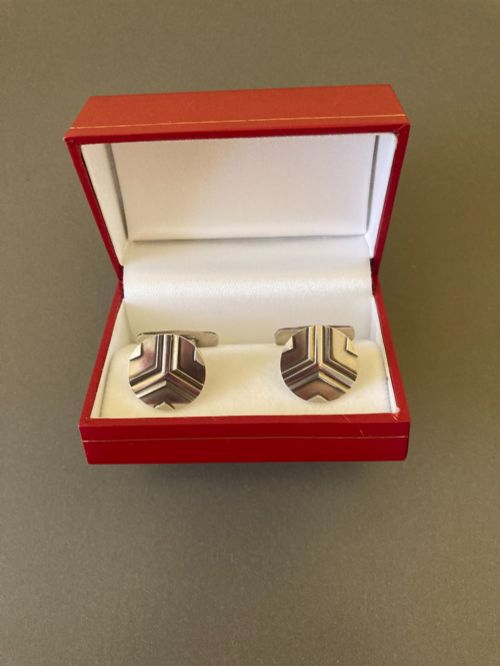
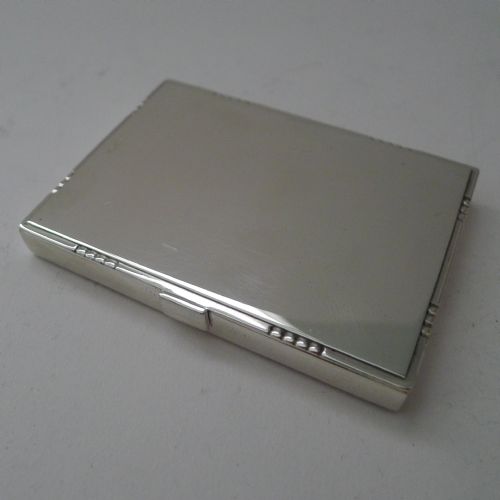
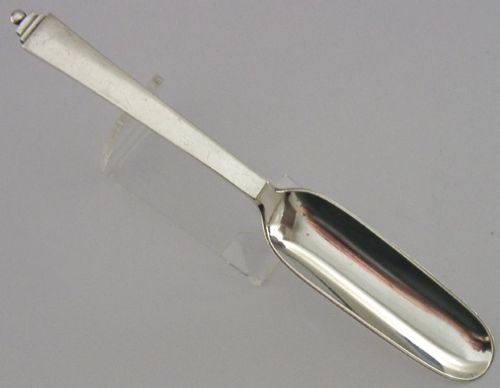
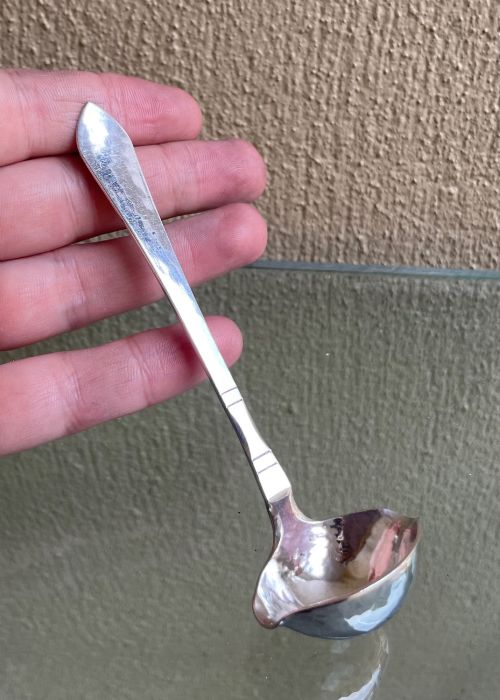
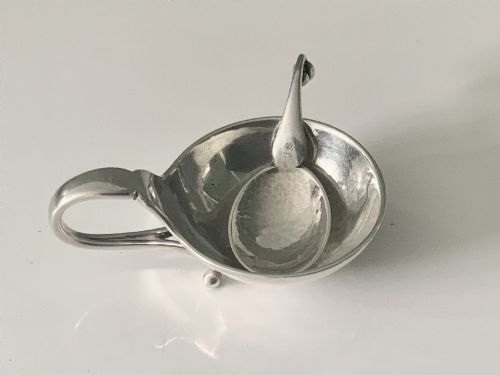
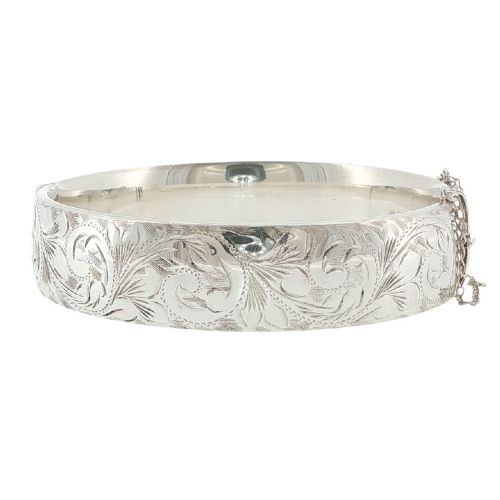
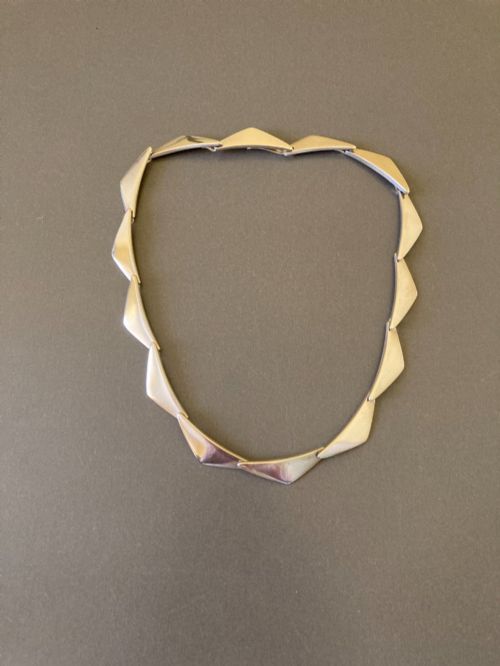
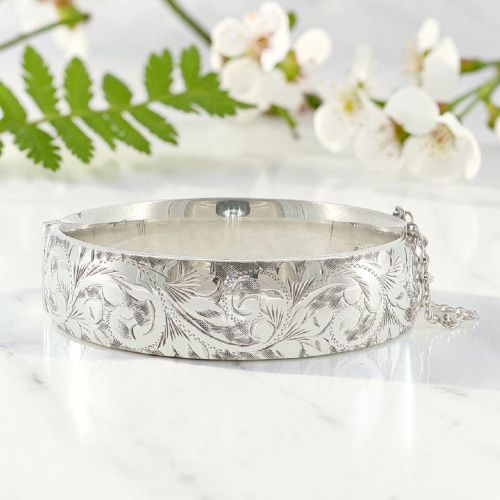
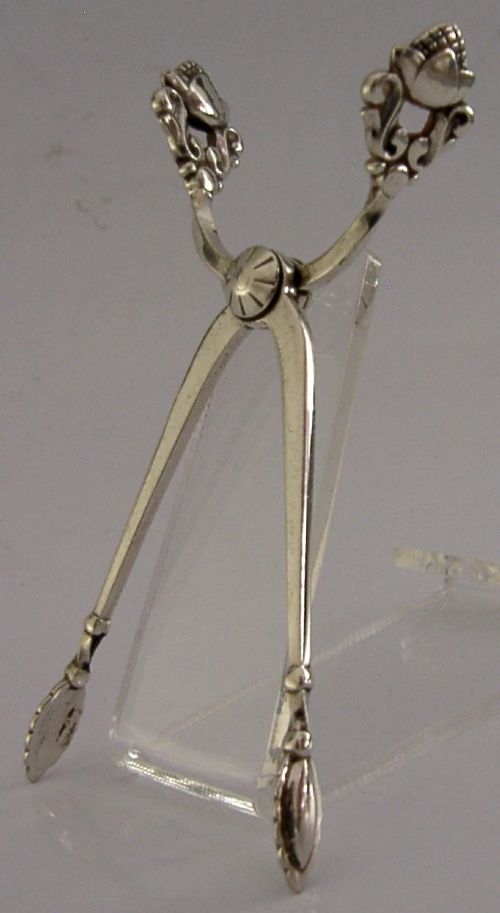
When you search antique Georg Jensen, you find functional silver objects and personal ornaments spanning the early twentieth century through the mid century period. The selection includes decorative boxes, sugar tongs, caddy spoons, serving utensils, ladles, salt cellars, teaspoons, brooches, and necklaces.
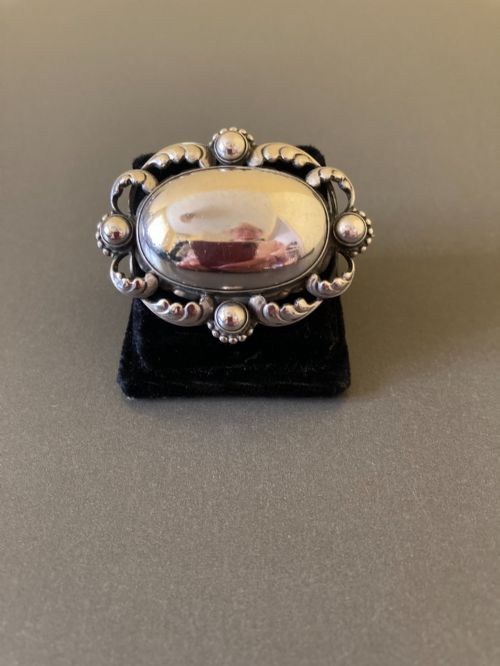
The objects originate from distinct design movements, shifting from ornate floral Skønvirke Art Nouveau to geometric Art Deco and streamlined Danish Modern. These pieces reflect the evolving aesthetic of the Copenhagen workshop over several decades.
Visitors to this page are most likely to encounter smaller table silver such as caddy spoons and sugar tongs alongside wearable silver jewellery and decorative boxes. Each piece bears the distinct stylistic fingerprint of its designer and production era.
What varies in quality
Quality in these silver objects rests upon the clarity of the maker marks, the crispness of the chased or hammered surface details, and the integrity of the original design. Pieces conceived by notable designers often exhibit superior sculptural balance and finer proportional harmony.
Condition plays a part, distinguishing items retaining their original box or unpolished patination from those with excessive wear or heavy intervention. The complexity of the pattern, whether organic Skønvirke flora or geometric Art Deco facets, dictates the level of artisan effort involved.
Antique Georg Jensen Retail Price Guide 2026
Typical asking prices for georg jensen among the pieces listed under this phrase on Sellingantiques today, from the lower quarter to the upper quarter. They describe what is for sale here now, not the wider market.
Object forms range from sugar tongs and caddy spoons to salt cellars and decorative boxes.
Georg Jensen·Harald Nielsen·Sigvard Bernadotte
The Antique Georg Jensen Glossary
- Skønvirke Art Nouveau
- The Scandinavian variant of Art Nouveau, focusing on stylised natural motifs, flora, and organic flowing lines. This style defined the earliest output of the Jensen silversmithy.
- Sterling silver
- An alloy consisting of pure silver and other metals, usually copper, to increase durability while maintaining a bright lustre. Most domestic items on this page are formed from this metal.
- Acorn pattern
- A classic Jensen flatware and holloware motif featuring stylised acorn husks and oak leaves in relief. Johan Rohde designed this pattern in the early twentieth century.
- Pyramid pattern
- A stepped, geometric silver design created in the Art Deco period. This motif relies on stacked angular tiers rather than organic curves.
- Caddy spoon
- A short-handled spoon specifically intended for measuring loose tea leaves from a caddy. Jensen silversmiths produced various distinctive forms for this purpose.
Antique Georg Jensen: Frequently Asked Questions
How do I identify a Jensen period?
Study the punched factory hallmarks, designer stamps, and date ciphers present on the reverse or underside of the silver. Different decades utilised specific punch borders and numbering systems.
Style also offers a clear indicator, moving from organic Skønvirke Art Nouveau in the early years to geometric Art Deco and clean Danish Modern forms by mid century.
Are all Jensen pieces sterling silver?
The vast majority of items produced by the workshop use sterling silver standards, though some items incorporate stainless steel components for functional utility like knife blades or cocktail forks.
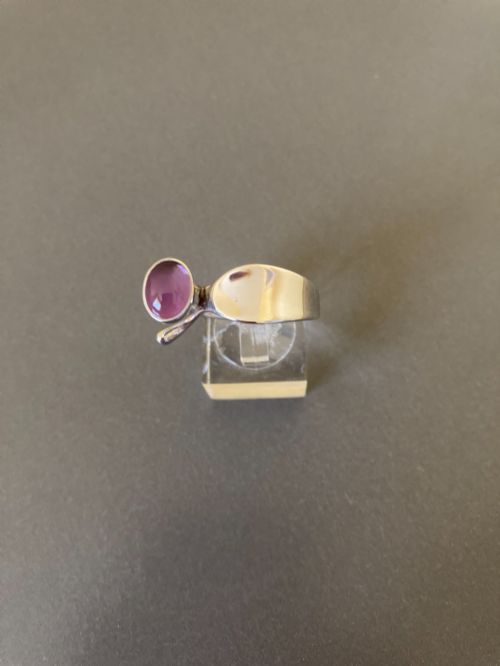
Certain pieces also feature polished gemstones such as amethysts set directly into the silver mounts.
How should I clean antique silver?
Maintain your silver by washing it gently in warm soapy water with a soft cloth, avoiding harsh abrasive dips that strip away desirable patination and fine detail. Regular light dusting prevents tarnish build-up in recessed areas.
Store items in tarnish-resistant cloth away from direct sunlight and humidity to preserve the metal finish.
What is the Pyramid pattern?
The Pyramid pattern is a distinct Art Deco design featuring stepped, geometric tiers that taper toward the terminal of the handle. It represents a shift away from organic flora toward structural modernism.
Silversmiths applied this motif to serving utensils, cheese scoops, and holloware.