


Antique Gemstone Necklet
An antique gemstone necklet brings together coloured stones and precious metals across the Edwardian, Art Deco, and mid-century periods.
Antique Gemstone Necklet
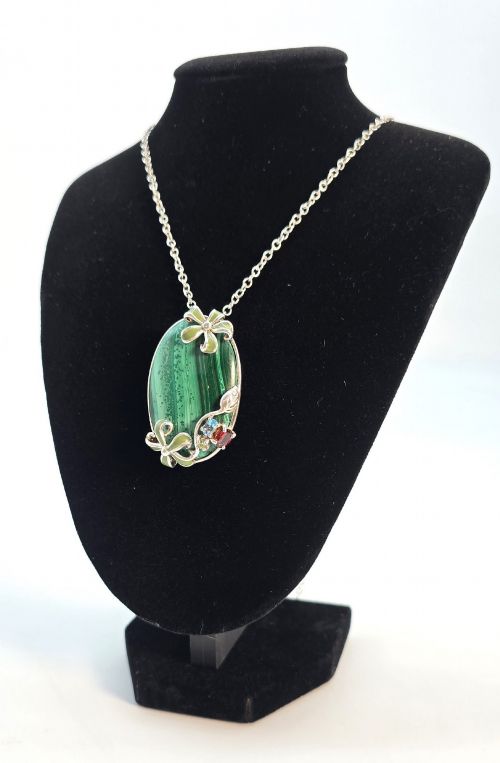
An antique gemstone necklet encompasses delicate pendant necklaces, lavaliers, and cluster designs fashioned from gold, silver, and platinum. When you search for an antique gemstone necklet, you encounter pieces that range from Edwardian seed pearl garlands to geometric Art Deco drops set with diamonds and opals.
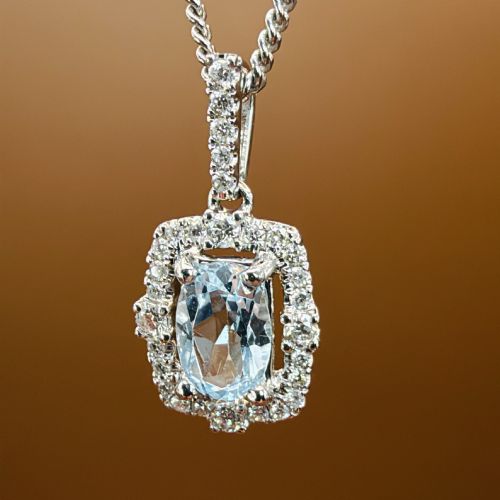
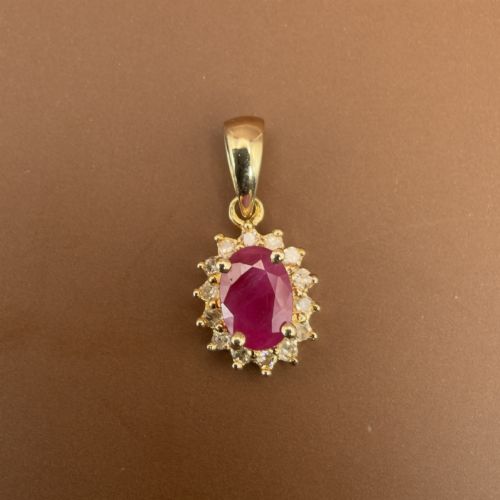
The materials span from traditional yellow gold and platinum settings to specific gems including amethyst, aquamarine, ruby, and tourmaline. Most examples on this page date from the early twentieth century, reflecting the prevailing styles of the 1900s, 1910s, and 1920s.
Formations vary from simple pendant drops on fine chains to complex cluster arrangements and lavalier designs. Each piece demonstrates the craftsmanship typical of its period, whether it is an Arts and Crafts silver mounting or a substantial 18ct gold frame.
Materials and construction
Metals used in these necklets primarily include 9ct gold, 15ct gold, 18ct yellow gold, silver, and platinum. These metals were shaped by hand to house varied stones securely while maintaining delicate visual lines.
Gems such as diamonds, seed pearls, amethysts, aquamarines, and opals were meticulously set into the metalwork. Techniques from the Edwardian garland style and Art Deco geometry dictate how the stones are arranged within each pendant or necklace.
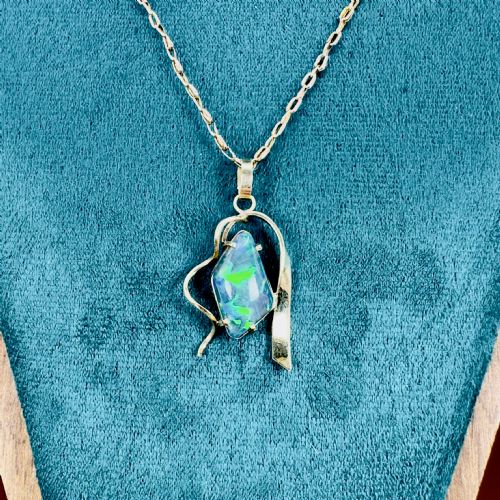
Several pieces feature opals that flash subtle greens and blues whenever the light hits the stones just right.
Assessing quality and finish
Quality in an antique gemstone necklet rests upon the precision of the metalwork and the selection of the stones. Finer examples display meticulous claw or bezel settings that hold gems like sapphires, rubies, or aquamarines securely without excess solder.
The harmony of the design also distinguishes finer pieces, where the proportions of the central pendant balance the weight and length of the accompanying chain or necklace structure. Preservation of the original stones, particularly delicate seed pearls or softer gems like opals, indicates careful ownership through the decades.
The Antique Gemstone Necklet Glossary
- Lavalier
- A pendant necklace featuring a central drop suspended from a chain, popular during the Edwardian and Arts and Crafts periods.
- Garland style
- An Edwardian design motif that mimics floral wreaths, ribbons, and lace using platinum or gold set with diamonds and pearls.
- Cluster pendant
- A setting where a central gemstone is surrounded by a border of smaller stones, typically diamonds or pearls.
- Seed pearl
- A very small, naturally formed or early cultured pearl, frequently drilled and strung in Edwardian jewellery.
- Doublet
- A composite gemstone made of two sections, often used to display a thin slice of precious opal backed by a stronger material.
Antique Gemstone Necklet: Frequently Asked Questions
How do I care for my antique gemstone necklet?
Store your necklet flat in a lined box to prevent chains from tangling and to protect softer stones from scratching against harder gems.
Clean the metal and durable stones gently with a soft cloth, avoiding harsh chemical dips that can damage pearls, opals, or antique foils.
Can I wear an antique gemstone necklet daily?
Many sturdy gold and platinum designs tolerate regular wear if handled with care during daily activities.
Pieces set with delicate seed pearls or softer opals require more mindful wear to preserve their fragile settings and surfaces.
What is the difference between a pendant and a necklet?
A pendant is an ornamental piece designed to hang from a separate chain or collar, focusing attention entirely on the suspended drop.
A necklet typically integrates the ornamental focal point more closely into the necklace structure itself.
How do I identify an Edwardian gemstone necklet?
Edwardian pieces often utilise platinum-topped gold, airy openwork filigree, and symmetrical garlands featuring seed pearls and aquamarines.
The overall aesthetic prioritises lightness and intricate detail over the bolder, geometric lines seen in later decades.