


Antique Gemstone Locket
An antique gemstone locket carries personal portraits or hair beneath a faceted stone, combining jewellery with hidden sentiment.
Antique Gemstone Locket
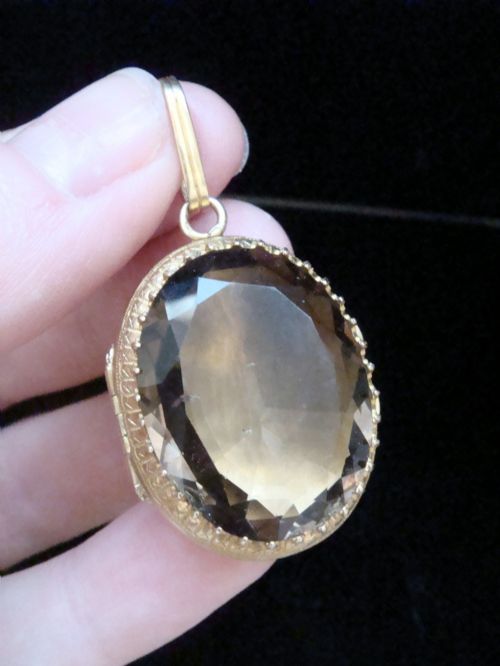
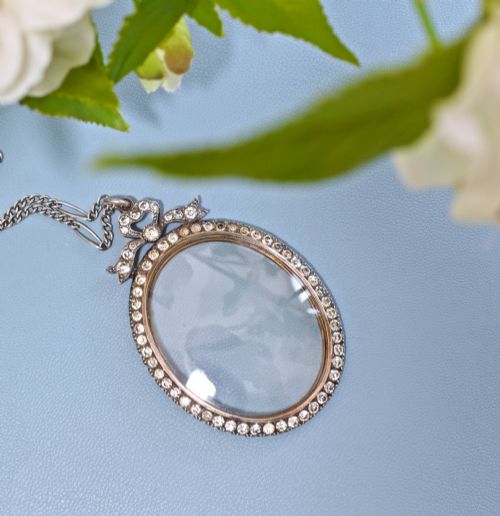
When you search for an antique gemstone locket, you encounter hinged or opening pendants designed to hold miniatures, photographs or locks of hair behind a transparent crystal or a solid gold cover. The listings here include Victorian, Edwardian, and later examples that span the nineteenth and early twentieth centuries.
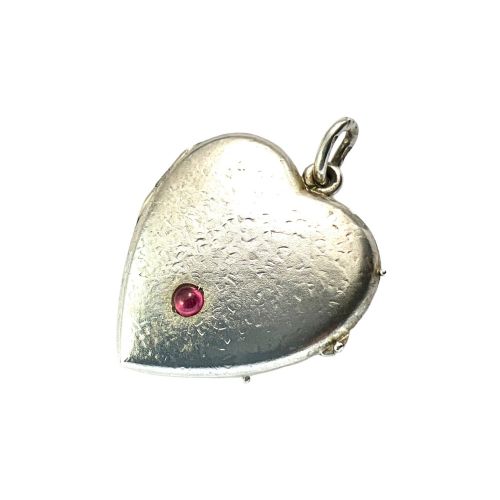
The forms range from simple hearts and sunbursts to elaborate bows and geometric frames. Origin-wise, you find both British works and continental French pieces among the selections.
How they were made
Makers constructed these lockets predominantly using 18ct yellow gold, 9ct gold, and sterling silver, often combining metals to highlight specific design elements like paste bows or gilt finishes. Stones such as amethysts, citrines, garnets, emeralds, sapphires, rubies, and tourmalines were hand-cut and bezel-set into the metal frames.
Perforation and bezel techniques secure seed pearls and larger pearls along the edges or drop sections. Hinges and internal glass compartments were meticulously fitted to ensure the hinged covers opened and closed securely while protecting the enclosed mementos.
Many of these tiny metal books still hold the faded gaze of someone's great-great-grandmother behind a sheet of old glass.
What varies in quality
The refinement of the metalwork and the depth of the hand-engraving distinguish finer examples from standard production. Superior pieces display crisp casting, secure hinges that flush correctly when shut, and well-matched gemstones with clean facets.
The complexity of the design also plays a part, as multi-stone arrangements featuring garnets, pearls, and amethysts require greater skill to assemble than plain gold casings.
John Paul Cooper·Theodor Fahrner
The Antique Gemstone Locket Glossary
- Locket
- A small ornamental pendant that opens to reveal a space for a portrait or hair. These pieces use hinged mechanisms to keep the contents secure.
- Seed pearl
- A very small, naturally occurring or cultured pearl used in delicate cluster settings. They are often drilled and threaded or pegged onto gold wire.
- Bezel set
- A method of holding a gemstone in place by pushing a thin metal collar around its edge. This technique keeps the stone secure without using traditional prongs.
- Paste
- Hand-cut glass used to imitate gemstones in historic jewellery. It is faceted and polished to reflect light in the manner of precious stones.
- Briolette
- A drop-shaped gemstone cut with triangular facets over its entire surface. It is typically drilled near the top for suspension on a chain.
Antique Gemstone Locket: Frequently Asked Questions
What is an antique gemstone locket?
An antique gemstone locket is a hinged pendant featuring precious or semi-precious stones designed to open and hold small photographs or locks of hair.
These pieces date primarily from the Victorian and Edwardian eras, combining ornamental stone settings with functional keepsake compartments.
How do you wear an antique locket?
You wear these lockets suspended from a matching gold or silver chain around the neck as a pendant.
Because they often feature delicate hinges or glass internal frames, they suit everyday wear with mindful care regarding moisture and impact.
How do I tell Victorian from Edwardian lockets?
Victorian lockets often use heavier gold weights, deeper amethysts, and rich garnet clusters. They reflect the sentimental and often romantic motifs popular during the nineteenth century.
Edwardian pieces generally lean towards lighter silver and gold constructions, incorporating softer pastels, diamonds, or bow motifs associated with the Belle Epoque period.
What stones are common in these lockets?
Amethysts, citrines, and seed pearls appear frequently across the available selections. Garnets, rubies, sapphires, and tourmalines also feature in specific regional or stylistic pieces.
These stones were chosen for their colour and durability, complementing the yellow gold and silver mounts of the period.