
Antique Gemstone Cluster Ring
An antique gemstone cluster ring brings together vibrant stones and gold or platinum in a single, striking head.
Antique Gemstone Cluster Ring
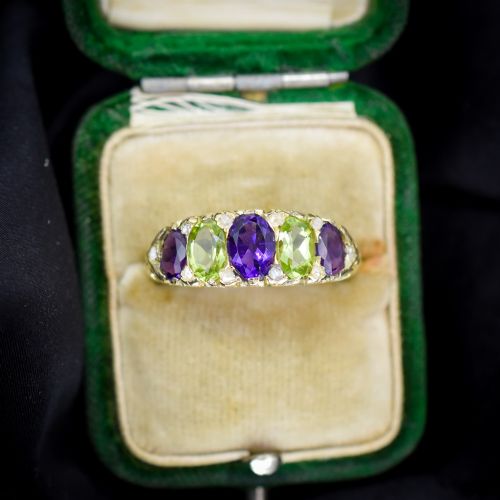
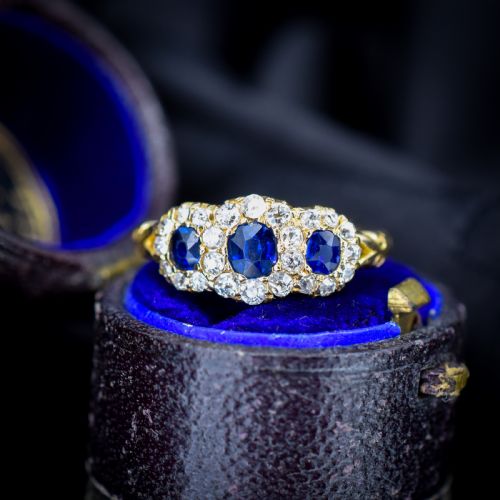
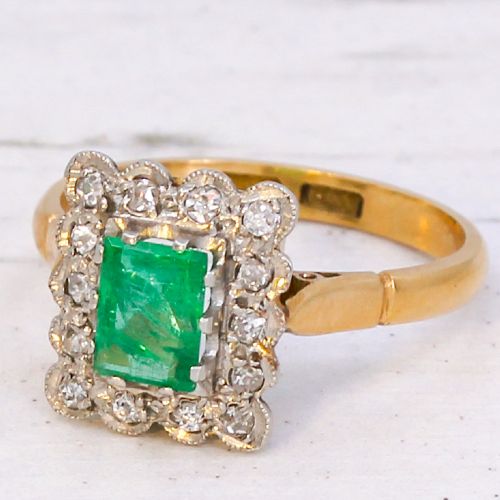
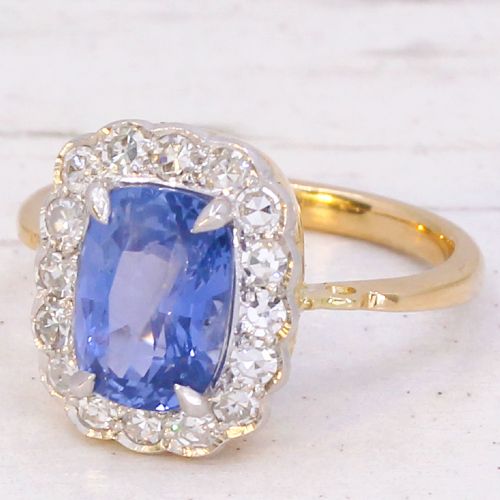
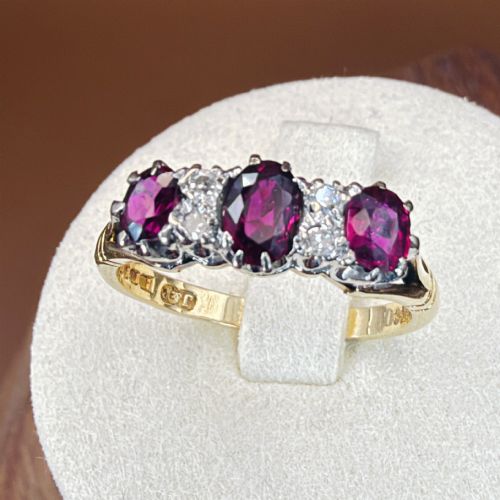
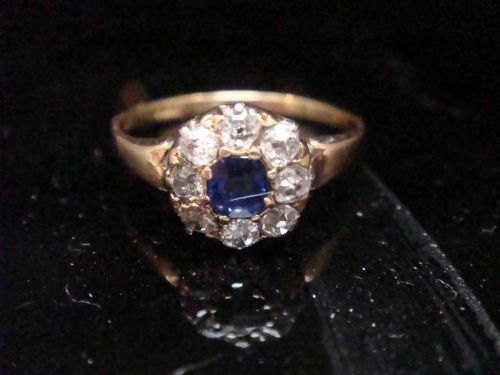
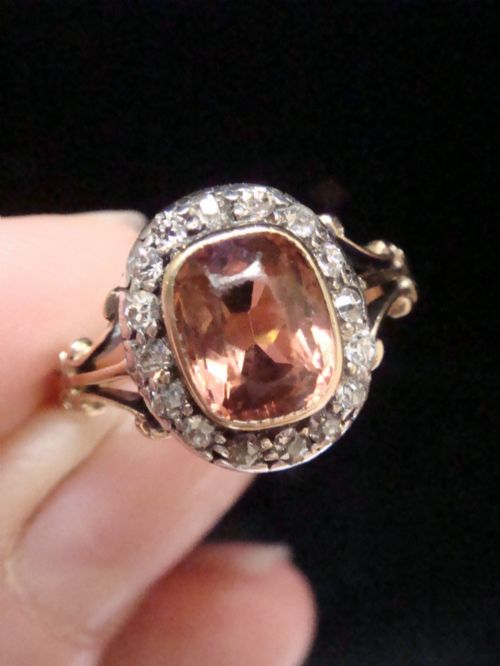
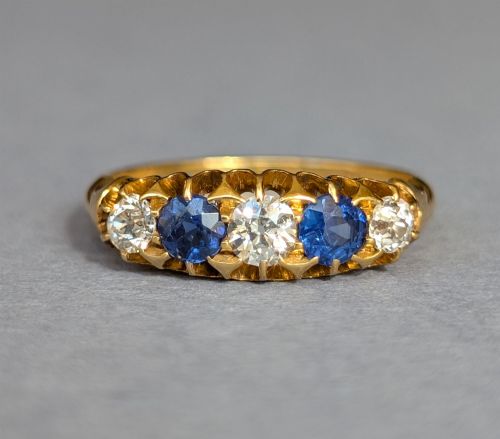
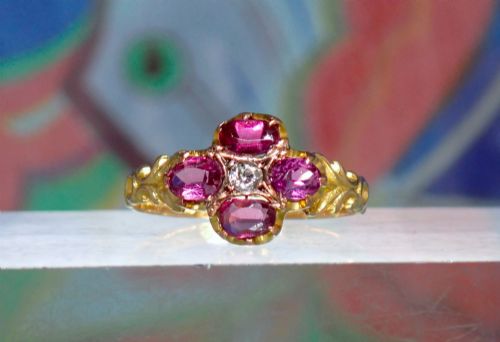
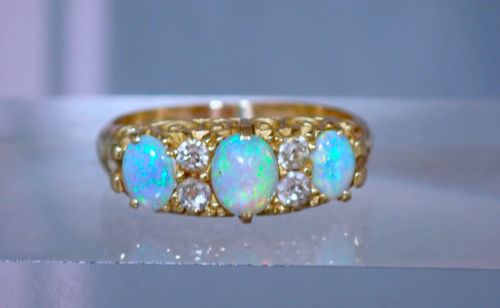
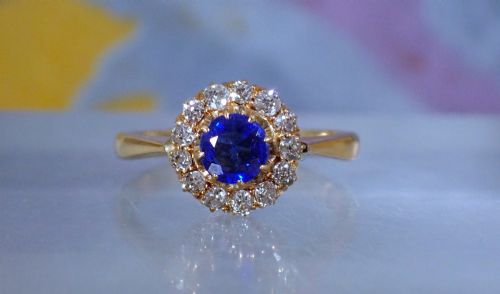
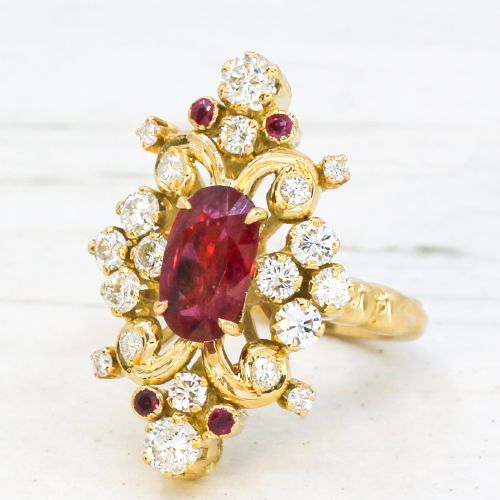
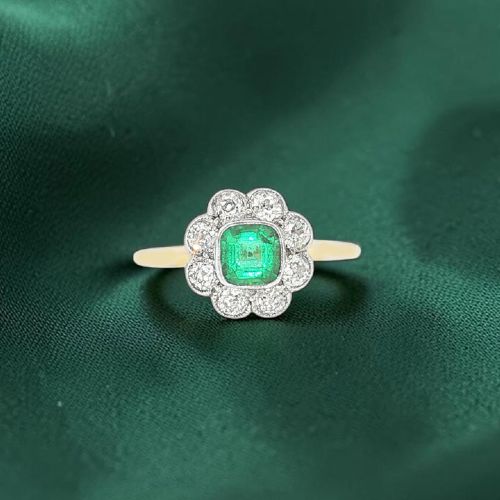
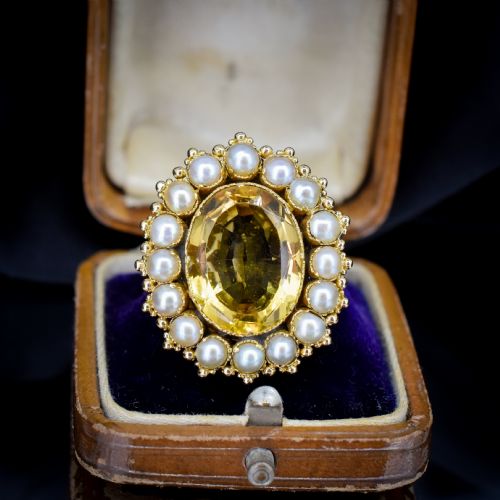
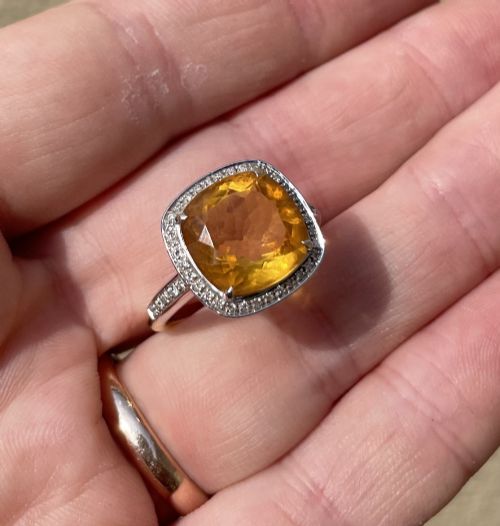
An antique gemstone cluster ring is a piece of jewellery featuring a central stone surrounded by a margin of smaller gems, creating a distinctive floral or geometric silhouette. Buyers searching for an antique gemstone cluster ring will find finger ornaments designed across multiple decades, including the Victorian, Edwardian, Art Deco, and George V periods.
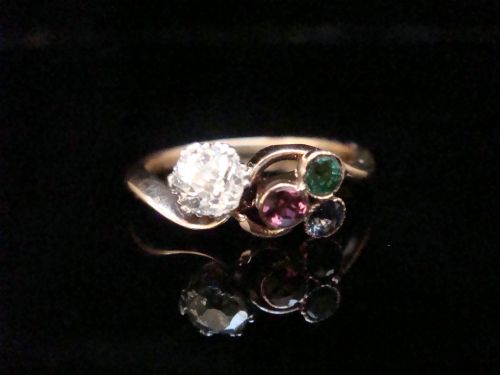
Makers and jewellers arranged these materials into classic daisy designs and multi-gem formations like the traditional REGARD arrangement. The selection spans the nineteenth and twentieth centuries, offering varied stone combinations and metal purities.
How they were made
Goldsmiths constructed these rings using precious metals such as platinum and varying purities of yellow gold, including 14ct, 15ct, and 18ct variants. Stones were hand-set into mounts, securing centre gems like diamonds, sapphires, rubies, and opals alongside smaller accent stones.
The structural layout of each ring relies on precise stone placement to form symmetrical clusters around a focal point, as seen in the daisy and multi-stone geometric configurations of the early twentieth century. Artisans utilised durable settings to hold diverse minerals ranging from hard diamonds to softer opals and turquoises.
Antique Gemstone Cluster Ring Retail Price Guide 2026
Typical asking prices for gemstone cluster ring among the pieces listed under this phrase on Sellingantiques today, from the lower quarter to the upper quarter. They describe what is for sale here now, not the wider market.
Materials appearing across the current listings include platinum alongside 14ct, 15ct, and 18ct yellow gold.
What varies in quality
The standard of a cluster ring depends on the selection and matching of the stones, with finer examples exhibiting well-matched colour saturation and brilliance across both central gems and surrounding borders. The integrity of the metalwork, including the crispness of the prongs and the thickness of the shank, distinguishes superior goldsmithing from simpler production.
Balance within the cluster design determines visual harmony, where precise stone spacing and symmetrical arrangements elevate the piece. The choice of mounting material, such as heavy 18ct gold or platinum, further separates standard regional work from exceptional output.
The Antique Gemstone Cluster Ring Glossary
- Cluster ring
- A ring featuring a central gemstone encircled by a group of smaller stones. This arrangement maximises visual impact and light reflection on the hand.
- Daisy ring
- A specific cluster configuration where a round central stone is surrounded by circular petal-like accent stones. This form is common in Edwardian jewellery.
- Shank
- The circular band of metal that fits around the finger. It connects directly to the cluster head.
- REGARD
- An acrostic gemstone setting spelling the word ruby, emerald, garnet, amethyst, ruby, and diamond. These historic rings hold sentimental meaning through the first letter of each stone.
Antique Gemstone Cluster Ring: Frequently Asked Questions
How do I clean an antique cluster ring?
Clean these rings gently using warm soapy water and a soft brush to remove everyday debris from beneath the settings. Avoid harsh chemical dips, particularly when the cluster includes softer organic gems like opal or turquoise.
Pat the metal and stones dry with a lint-free cloth after washing. Regular soft cleaning protects both the precious metal and the historic settings.
What periods do these rings come from?
The pieces span several distinct historical eras, including the Victorian, Edwardian, and George V periods, as well as the 1920s and 1930s Art Deco movement. Each era brought specific aesthetic preferences in metal selection and stone geometry.
Design characteristics and gold purities often reflect the prevailing tastes of their respective decade of manufacture.
Are these rings suitable for daily wear?
Many of these pieces were built for regular use, though older settings require mindful care during robust physical activities. Rings containing harder stones like diamonds, sapphires, and rubies tolerate daily wear better than those set with softer minerals.
Checking the security of the claws periodically helps prevent the loss of individual cluster stones over time.