

Antique Gateleg Furniture
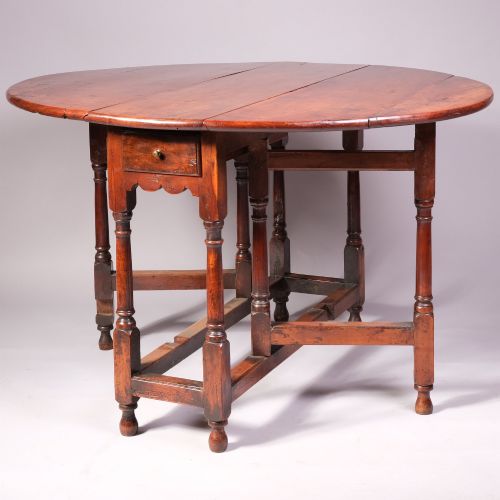
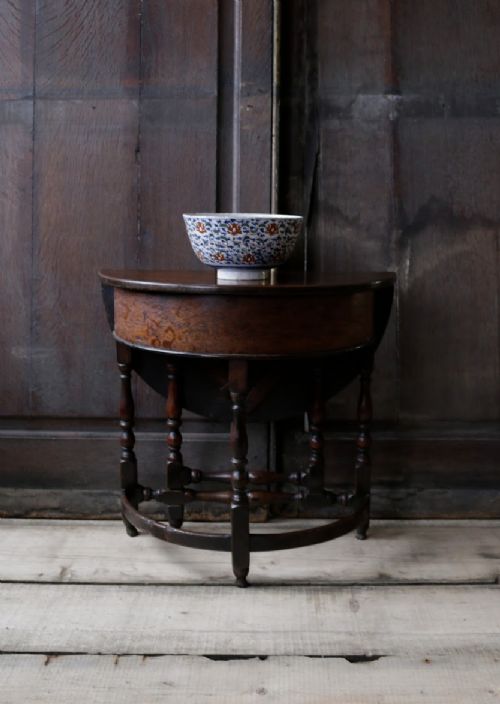
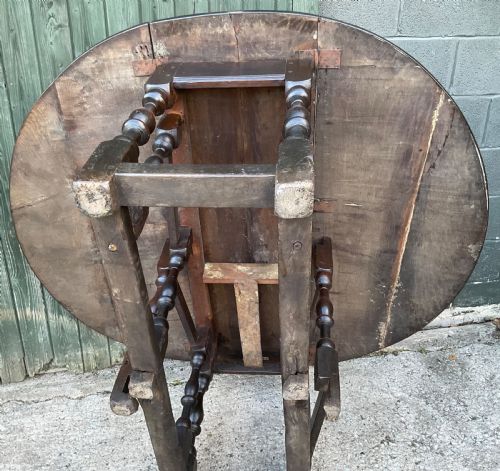
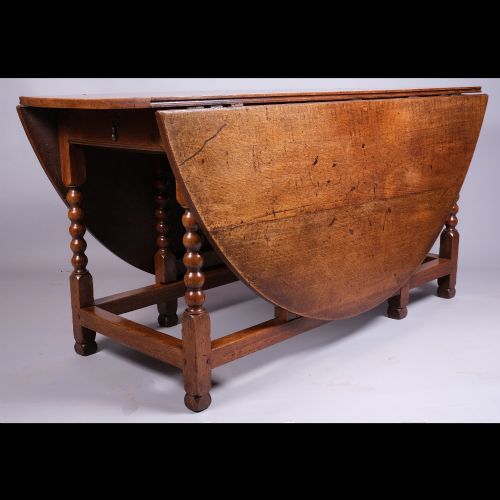
These pieces of antique gateleg furniture offer folding tables with hinged flaps supported by swing legs, prized for space-saving versatility.
Antique Gateleg Furniture
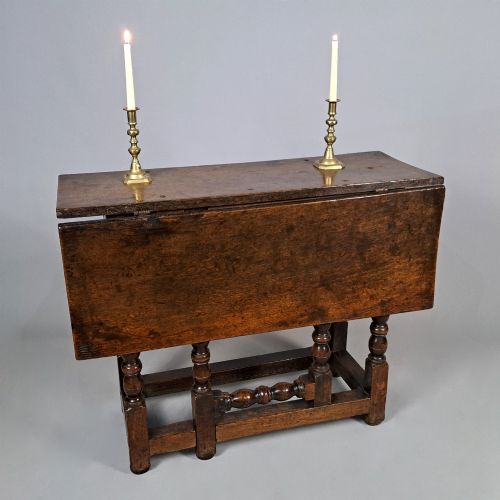
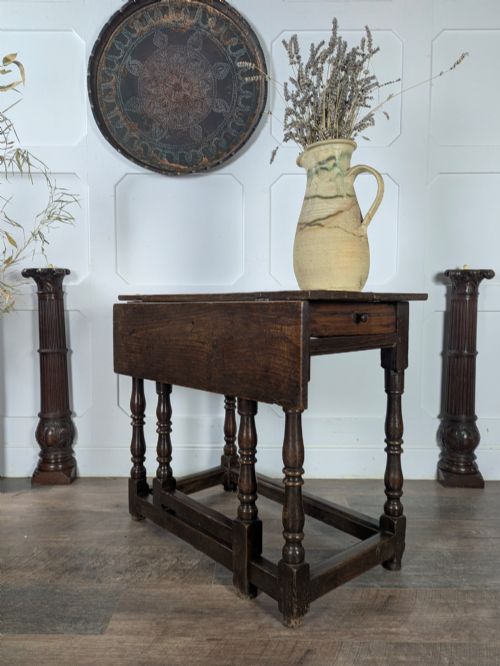
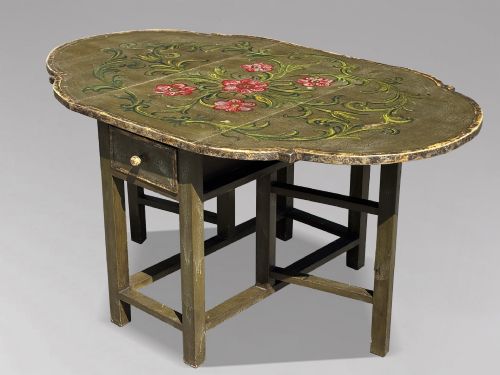
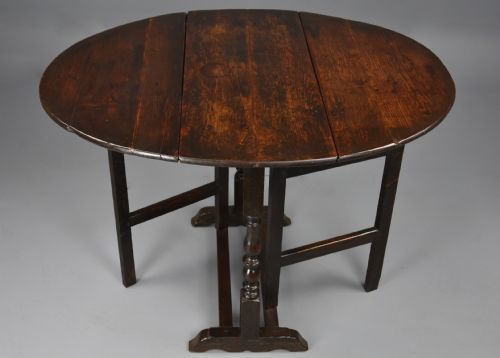
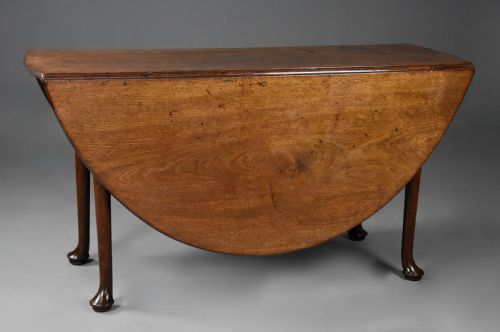
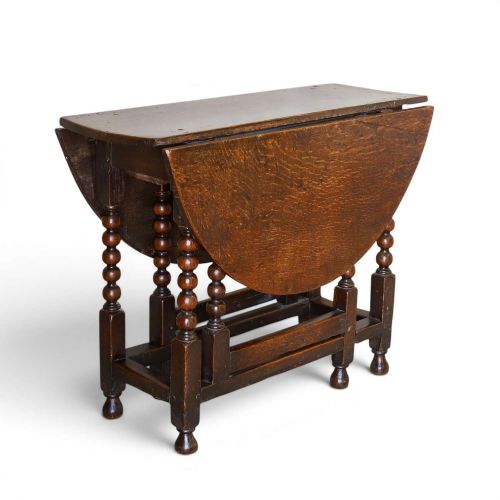
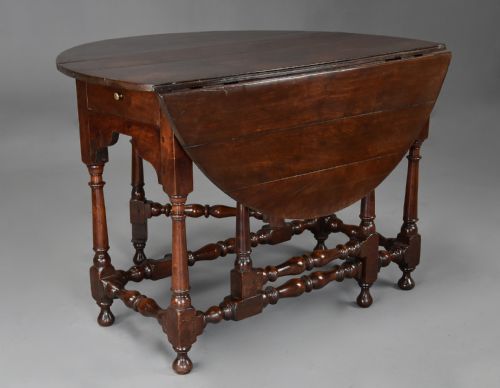
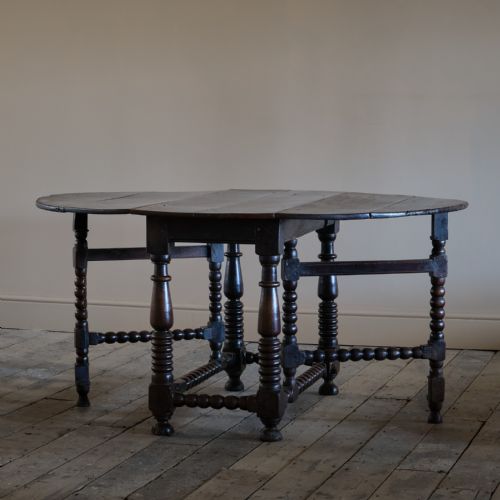
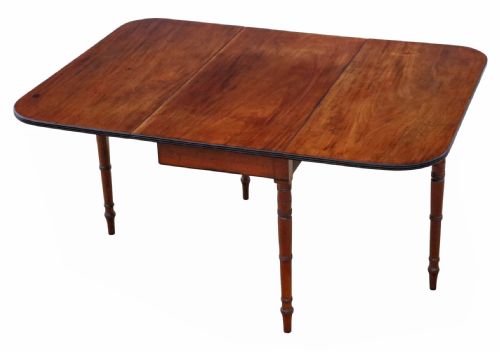
Antique gateleg furniture primarily consists of tables featuring hinged leaves supported by pivoting legs that swing outward to hold the flaps in place. Buyers seeking these items encounter forms ranging from large dining and supper tables down to smaller occasional, side, and tea tables. The selection spans centuries of cabinetmaking, with examples stretching from the seventeenth century through the Georgian and Victorian eras into the early twentieth century.
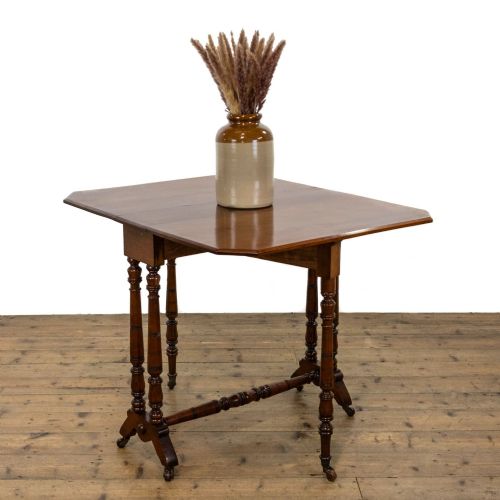
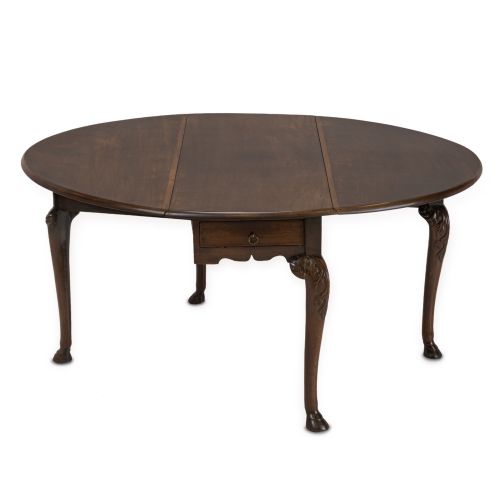
The seventeenth-century pieces are predominantly solid oak, often featuring dense proportions and turned supports, whilst eighteenth-century versions introduce mahogany and walnut timbers with carved cabriole legs or slender spider legs. Later Victorian and Edwardian iterations frequently take the form of Sutherland tables in walnut or mahogany, designed with narrow profiles when folded. Regional variations also appear, including Irish dining tables and Swedish pine or painted drop-leaf examples.
Judging quality
Quality in antique gateleg furniture rests upon the choice of timber and the integrity of the structural joints supporting the swing action. Superior examples display dense, well-figured grain, such as burr walnut or substantial solid oak, paired with crisp turning on the legs.
Proportion and scale distinguish finer pieces, particularly where slender elements like spider legs or delicate bobbin turnings remain stable and true. Original surface patination that has matured organically over centuries elevates an item above later restorations or heavily stripped surfaces.
Periods represented include the 17th Century, 18th Century, Georgian, Regency, Victorian, and Edwardian eras.
The Antique Gateleg Furniture Glossary
- Gateleg table
- A table with one or two hinged flaps supported by legs that swing out like a gate.
- Sutherland table
- A narrow drop-leaf table with particularly slender legs and leaves that fold down almost vertically.
- Bobbin turning
- A form of lathe-work producing a series of rounded, spool-like shapes along the length of a leg.
- Cabriole leg
- A furniture leg that curves outward in a convex shape and tapers inward to a foot, typical of eighteenth-century styles.
- Pad foot
- A simple rounded foot resting flat on the floor at the base of a cabriole leg.
Antique Gateleg Furniture: Frequently Asked Questions
How do I use a gateleg table daily?
These tables adapt to daily routines by folding down against a wall when floor space is limited and expanding fully when extra surface area is needed for dining or working.
The pivoting swing legs pull out easily from the central frame to support the drop leaves securely under normal use.
What is a Sutherland table?
A Sutherland table is a specific type of narrow drop-leaf table developed during the Victorian era, designed to occupy minimal space when folded completely flat.
They often feature small proportions, casters, and slender walnut or mahogany framing suitable for tea service or occasional placement in a sitting room.
How can I tell a seventeenth-century table from a later one?
Seventeenth-century examples are almost exclusively built from solid oak with pegged mortise and tenon joints, frequently showing heavy timber thicknesses and bobbin or columnar turnings.
Later eighteenth and nineteenth-century pieces introduce mahogany, walnut, and lighter proportions such as delicate spider legs or cabriole supports.
Where were gateleg tables placed in a home?
Historically, large gateleg tables served as primary dining or supper furniture in the main rooms of seventeenth and eighteenth-century houses, while smaller versions functioned as side or tea tables.
Today, buyers place them in dining rooms, living spaces, and hallways where their folding mechanism provides flexible surface utility.