



Antique Garden Watering Vessel
An antique garden watering vessel brings genuine utility and age to a planting scheme, ranging from domestic copper cans to heavy stone troughs.
Antique Garden Watering Vessel
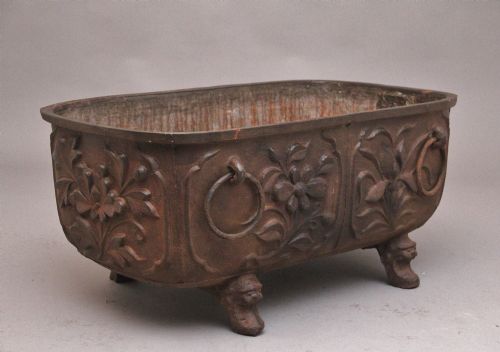
When you search for an antique garden watering vessel, you encounter a mix of functional watering cans, stone troughs, and metal baths spanning several centuries. The pieces on this page include brass and copper cans alongside cast iron baths, natural stone mortars, and well buckets.
Domestic watering cans from the Victorian, Edwardian, and Georgian periods form the core of the selection. These utility items range from country house brass cans to sterling silver display pieces and utilitarian copper vessels.
Broader vessel forms also appear under this heading, including Chinese iron baths and Japanese garden vases. These heavier items share the utilitarian garden function of holding water or serving as planters.
How they were made
Makers shaped these vessels from durable metals like brass, copper, cast iron, and sterling silver using traditional sheet metal and casting techniques. Heavy garden pieces also utilise natural stone, sandstone, and bronze.
Many metal watering cans feature soldered seams, riveted handle attachments, and cast spouts designed for heavy estate use. Stone mortars and troughs rely on hand-chiselled carving rather than assembly.
Antique Garden Watering Vessel Retail Price Guide 2026
Typical asking prices for garden watering vessel among the pieces listed under this phrase on Sellingantiques today, from the lower quarter to the upper quarter. They describe what is for sale here now, not the wider market.
Listings feature metal watering cans, stone mortars, and cast iron baths spanning the Georgian, Victorian, and Edwardian periods.
What varies in quality
The distinction between standard utility items and finer examples lies in the weight of the metal and the finish of the handles and spouts. Sterling silver and high-grade brass cans show greater attention to form than basic iron vessels.
Material longevity dictates the upper tier of the range, where heavy copper and thick cast iron survive intact without extensive patching. Maker marks, such as those by Orme Evans & Co, elevate historical interest.
Orme Evans & Co
The Antique Garden Watering Vessel Glossary
- Brass
- A copper and zinc alloy valued for its bright appearance and corrosion resistance in garden tools. It patinates richly over decades of handling.
- Copper
- A malleable reddish metal frequently chosen by Victorian coppersmiths for watering cans. It offers high durability and develops a dark green verdigris outdoors.
- Cast iron
- A strong alloy poured into moulds to create heavy vessels, baths, and troughs. It provides exceptional structural rigidity for large garden containers.
- Sterling silver
- A precious silver alloy containing ninety-two point five percent pure silver. Small watering cans in this material served decorative or presentation purposes.
- Mortar
- A heavy stone or metal bowl used historically for grinding materials. In a garden setting, these sturdy vessels often double as planters or troughs.
Antique Garden Watering Vessel: Frequently Asked Questions
What metals were used for antique watering cans?
Maker workshops utilised brass, copper, cast iron, and sterling silver to construct watering vessels. Each metal dictated both the weight of the can and its resilience to regular watering tasks.
Heavier cast iron and copper suited estate gardens, while silver examples remained indoors as decorative or presentation pieces.
How do I date a brass watering can?
Dating relies on construction methods, handle attachments, and stylistic markers typical of the Georgian, Victorian, or Edwardian eras. Maker stamps provide precise attribution when present on the body.
Hand-soldered joints and riveted spouts generally point to nineteenth-century production before mass factory standardisation.
Can I use an antique watering can outside?
Many brass and copper cans remain structurally sound for gentle garden use, though valuable silver or fragile antique pieces deserve indoor display. Metal vessels will continue to develop a natural outdoor patina over time.
Checking for watertight seams prevents unexpected leaks during use.
What is the difference between a trough and a mortar?
Mortars are deep, heavy stone bowls historically used for pounding substances, whereas troughs are longer rectangular stone vessels for feeding or holding water. Both function well as garden planters today.
Stone mortars often date back to earlier centuries than standard Victorian garden troughs.