



Antique Garden Vessels
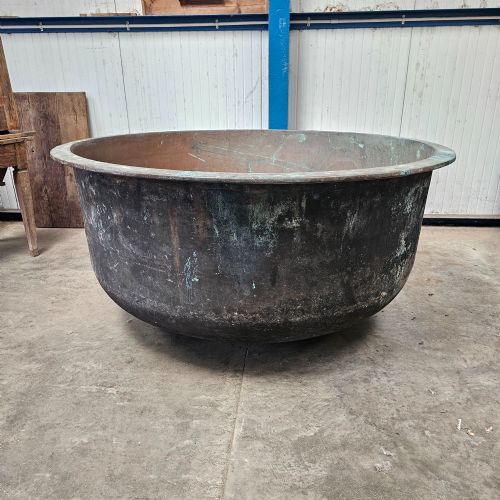
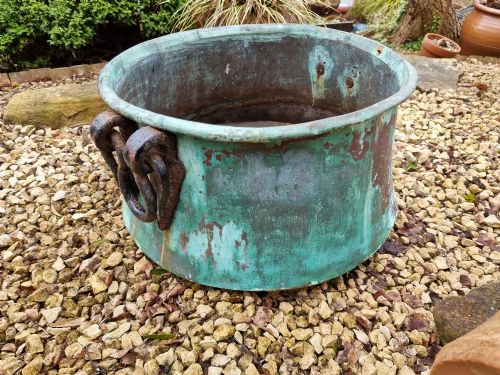
These antique garden vessels bring heft and patinated metal or clay to a terrace, moving easily between practical planting and sculptural presence.
Antique Garden Vessels
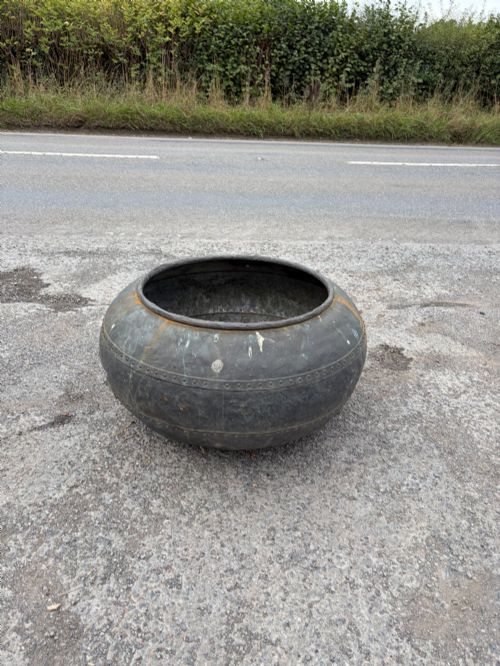
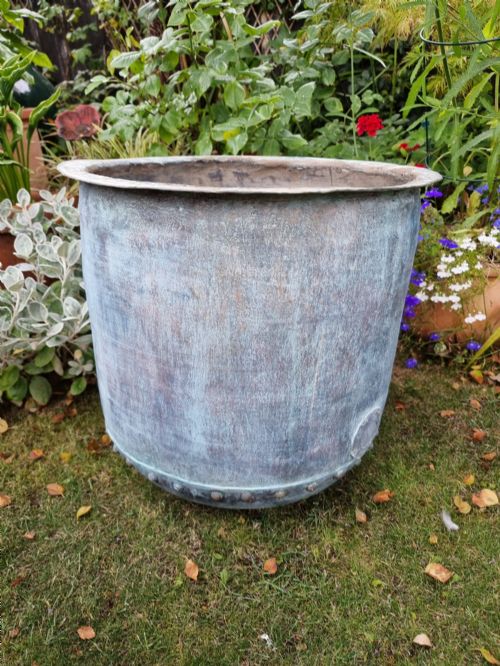
When you search for antique garden vessels, you are looking at utilitarian containers repurposed for horticulture, spanning copper boilers, cast iron urns, and terracotta oil jars. These items originate predominantly from the nineteenth century, drawing on Victorian, French country, and rustic farmhouse traditions.
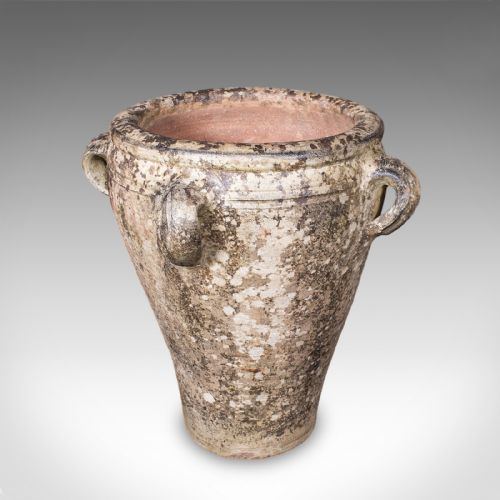
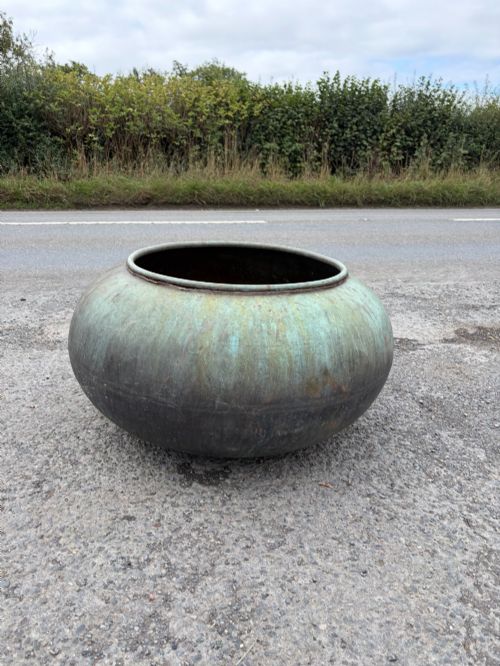
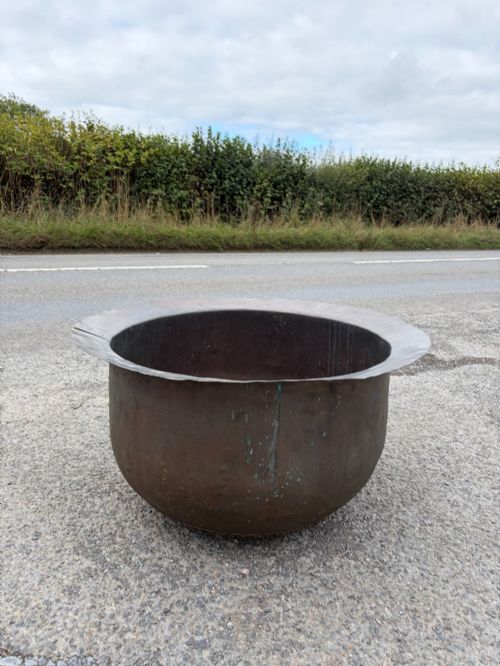
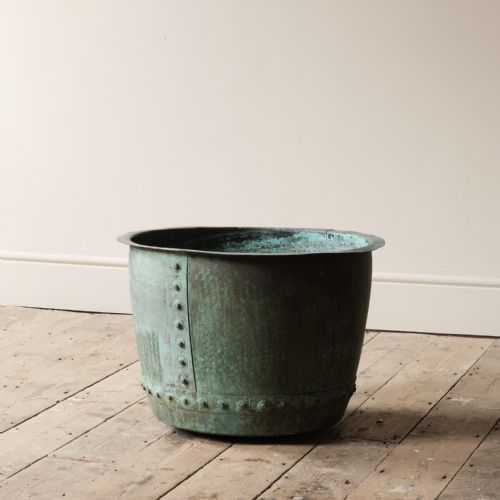
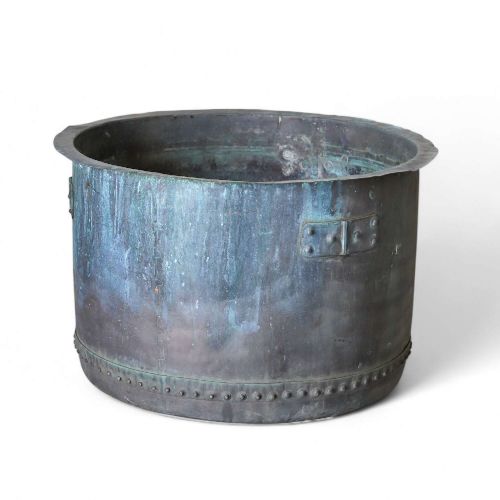
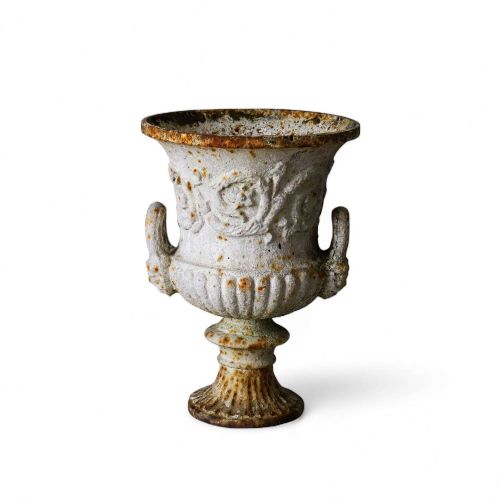
The most common forms you will meet on this page are hand-riveted copper pots, heavy cast iron campana urns, and large Mediterranean terracotta jars. Many began life as dairy vats, wash tubs, or cheese vessels before finding a permanent home outdoors.
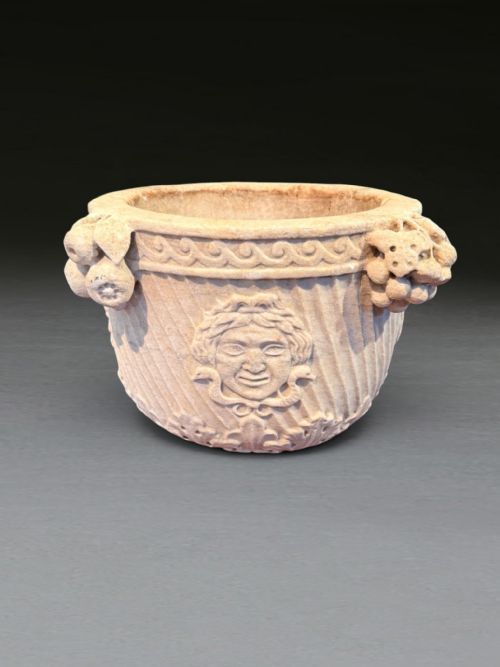
Originating across England, France, and the wider Mediterranean, these pieces range from austere utilitarian well buckets to decorative Japanese bronze temple vases and classical stone mortars.
How they were made
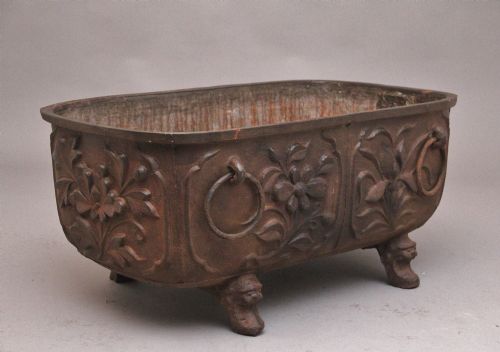
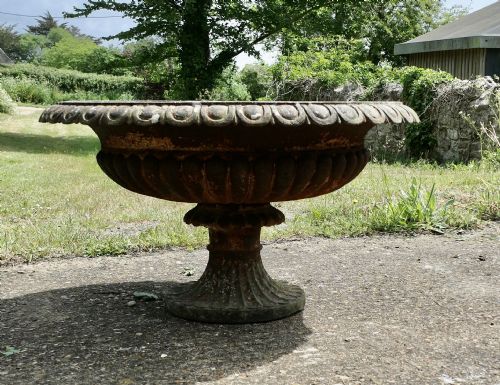
Metal vessels rely on hand-riveting and beaten construction, particularly visible in the heavy copper pots and cauldrons secured with wrought iron swing handles. Foundries utilised cast iron for campana urns and temple baths, pouring molten metal into detailed moulds that yielded crisp relief work.
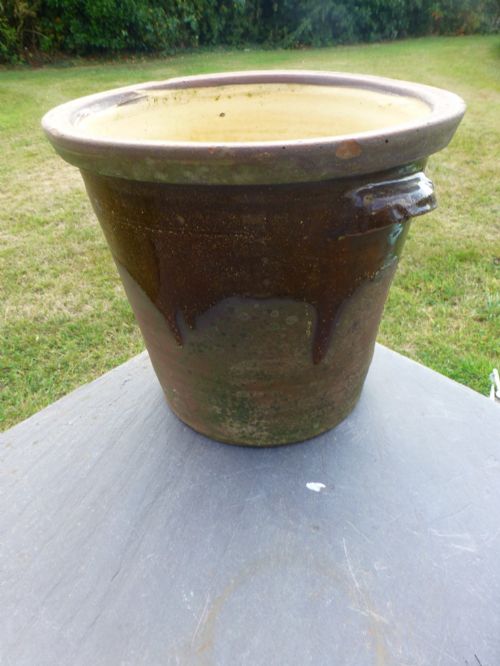
Clay and stone pieces depend on traditional throwing or moulding techniques, seen in porous terracotta oil jars, amphorae, and glazed dairy salting crocks. Artisans finished these surfaces by hand, leaving tool marks and natural variations that age over decades of exposure.
Antique Garden Vessels Retail Price Guide 2026
Typical asking prices for garden vessels among the pieces listed under this phrase on Sellingantiques today, from the lower quarter to the upper quarter. They describe what is for sale here now, not the wider market.
Listings feature nineteenth-century copper boilers, French cheese vats, and English cast iron urns alongside Mediterranean terracotta oil jars.
What varies in quality
The standard of a metal vessel rests on the thickness of the copper or iron and the integrity of its hand-beaten seams and rivets. Superior pieces retain their original structural weight without excessive thinning from centuries of vigorous cleaning or use.
For terracotta and stone, quality is defined by the purity of the clay body and the depth of the natural weathering patina accumulated on the surface. Well-fired jars develop stable mineral crusts and verdigris rather than soft, crumbling matrixes vulnerable to frost.
Andrew Handyside·Val D Osne Foundry
The Antique Garden Vessels Glossary
- Campana urn
- A bell-shaped garden vessel with an everted rim, widely cast in iron or carved from stone during the nineteenth century. This classical silhouette derives from ancient Roman models discovered at archaeological sites.
- Verdigris
- The green patina that forms naturally on copper, brass, or bronze through atmospheric oxidation over extended periods. Collectors prize this surface layer for its visual depth and protection against further corrosion.
- Amphora
- A tall storage jar with two handles and a pointed base, traditionally utilised for transporting olive oil or wine across the Mediterranean. In a garden setting, these unglazed terracotta vessels introduce ancient regional forms.
- Usubata
- A Japanese bronze vessel designed specifically for flower arrangement and display, often featuring a wide basin atop a slender stem. These decorative objects bring distinct Eastern craftsmanship to outdoor or conservatory spaces.
- Crock
- A heavy earthenware container used historically for food preservation, salting, or dairy production. Their dense, utilitarian walls make them robust choices for contemporary planting.
Antique Garden Vessels: Frequently Asked Questions
Can antique copper pots stay outside all year?
Copper withstands outdoor conditions well, developing a rich verdigris surface when exposed to rain and air over time. The metal remains structurally sound through seasonal shifts.
Ensure that pots have adequate drainage holes drilled or created to prevent standing water from freezing inside and straining the riveted seams.
Are terracotta oil jars vulnerable to frost?
Traditional Mediterranean terracotta varies in density, and older porous clay can absorb moisture that expands during hard freezes. Placing them on pot feet prevents water from trapping underneath.
Move heavy jars into a greenhouse or sheltered porch during freezing winter months to preserve the integrity of the fired clay.
How do I clean verdigris off a copper vessel?
Most collectors prefer to leave the natural verdigris and weathered patina intact because it signals genuine age and atmospheric exposure. Scrubbing removes this valued surface character.
If cleaning is necessary for indoor display, use warm soapy water and a soft cloth rather than harsh chemical abrasives that strip the metal.
How do I identify a nineteenth-century cast iron urn?
Nineteenth-century iron vessels typically display heavy casting seams, tactile surface textures, and occasionally foundry stamps or marks near the base. The weight is substantial compared to modern reproductions.
Examine the paint layers and rust patterns for deep accumulation that indicates decades of outdoor weathering rather than artificial distressing.