

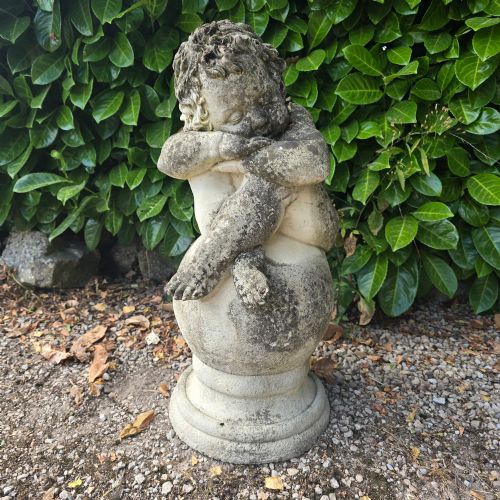


Antique Garden Putti
Antique garden putti bring classical charm to grounds and terraces, offering playful sculptural figures that transform open-air spaces with enduring character.
Antique Garden Putti
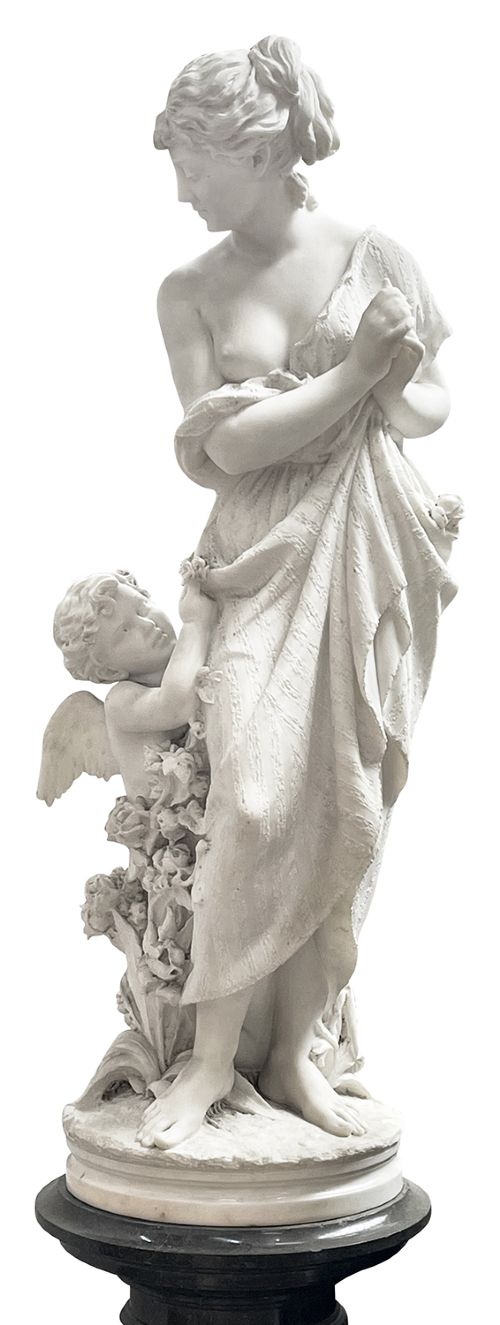
When searching for antique garden putti, collectors discover sculptural figures and ornaments shaped as cherubs, boys, and mythological musicians. These pieces emerge across the eighteenth, nineteenth, and twentieth centuries in forms ranging from standalone statues on plinths to figures integrated with vases, urns, and planters. Classical Revival, Neoclassical, and Rococo Revival styles dominate the aesthetic, drawing heavily on historical European motifs.
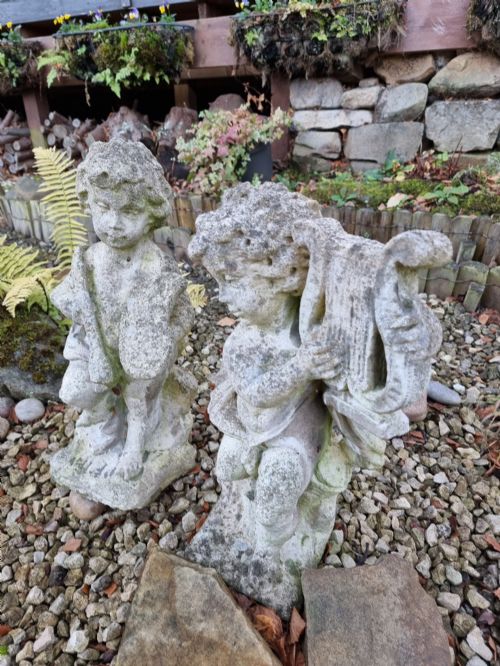
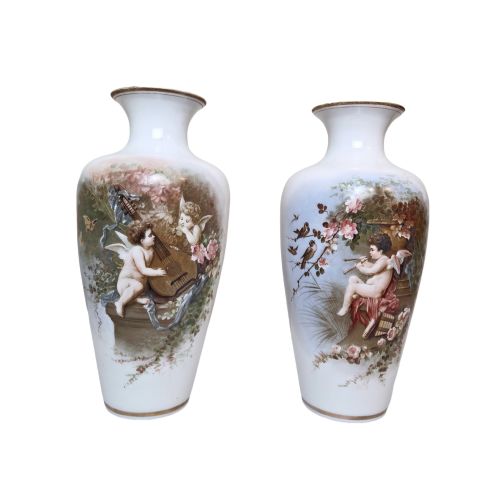
The versions most commonly met on this page span the nineteenth and twentieth centuries, fashioned primarily in durable outdoor metals and stones. Pieces appear as single figures or matched pairs, designed to weather the elements while retaining their distinct sculptural silhouette. Alongside traditional garden statues, related decorative objects such as oil paintings and glass vases with cherub imagery occasionally surface.
Makers and artisans of the past utilised these winged or playful figures to add a sense of theatre and antiquity to domestic grounds. The selection reflects a mix of British, French, and broader European sensibilities across various historical periods, including Georgian and Victorian eras. Each piece captures a distinct artistic interpretation of the putto motif, scaled for garden placement or architectural display.
How they were made
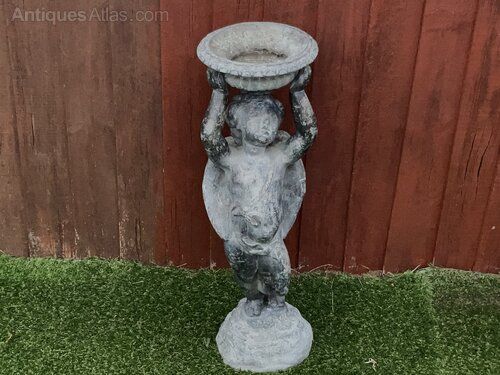
Materials recorded in the listings include durable metals like lead and cast iron, alongside masonry mediums such as reconstituted stone, cast stone, concrete, and composite stone. Metal figures utilise casting techniques to achieve crisp anatomical detail and sturdy forms suitable for permanent outdoor placement. Stone and composite versions rely on moulded aggregates that weather naturally over decades in open environments.
Antique Garden Putti Retail Price Guide 2026
Typical asking prices for garden putti among the pieces listed under this phrase on Sellingantiques today, from the lower quarter to the upper quarter. They describe what is for sale here now, not the wider market.
Listings feature periods spanning the eighteenth, nineteenth, and twentieth centuries, incorporating materials like lead, cast iron, and reconstituted stone.
What varies in quality
The standard of modeling separates simpler utilitarian ornaments from superior sculptural works, visible in the natural drape of drapery and the realistic proportions of the limbs. Finer examples display careful attention to facial expression and anatomical definition, whether rendered in heavy cast lead or moulded stone. Lesser pieces often exhibit softer contours and simplified details where the casting or moulding process obscured the sculptor's original touch.
Material composition and the integrity of the casting influence the longevity and visual weight of each piece. Superior metal castings show minimal surface pitting and clean seams, while quality stone and composite figures maintain structural stability without excessive crumbling. The presence of matching pairs and original supporting plinths further distinguishes more substantial decorative installations from single, isolated figures.
The Antique Garden Putti Glossary
- Putto
- A plump, naked male child figure frequently found in classical art and garden ornamentation. The plural form is putti, representing attendants in mythological and religious scenes.
- Cherub
- A celestial winged spirit often conflated with the putto in decorative contexts. In garden statuary, the term typically describes winged infant figures.
- Reconstituted stone
- A manufactured material made from crushed natural stone mixed with a binder. It is cast in moulds to replicate carved stonework for architectural and garden use.
- Neoclassical
- An artistic style inspired by the classical art and culture of ancient Greece and Rome. It emphasises proportion, symmetry, and classical mythological subjects.
- Plinth
- A heavy base or slab upon which a statue, urn, or column is mounted. It elevates garden figures above ground level for better visibility.
Antique Garden Putti: Frequently Asked Questions
What materials are antique garden putti made from?
These figures are constructed from traditional outdoor metals such as lead and cast iron, which offer durability and weight. Masonry options include reconstituted stone, cast stone, concrete, and composite stone.
Finer decorative items incorporate porcelain, glass, and surface gilding, though these require more sheltered placement away from harsh weather.
How were these figures used in historical gardens?
Garden putti served as ornamental focal points placed among plantings, along pathways, or mounted on stone plinths. They were designed to integrate with landscape architecture, adding classical whimsy to lawns and terraces.
Some pieces doubled as functional objects, appearing on planters, urns, and vases intended to hold seasonal flora.
How do I care for lead and cast iron garden statues?
Lead statues require very little maintenance as the metal naturally oxidises to form a protective grey patina over time. It is best to leave this surface undisturbed rather than cleaning it aggressively.
Cast iron pieces benefit from periodic inspection for moisture accumulation and rust, requiring appropriate protective treatments to preserve the metal surface in damp climates.
How can I tell the difference between stone and metal figures?
Stone and composite materials offer a granular texture and significant weight, often showing the subtle porous characteristics of moulded aggregate. They weather with organic moss growth and surface erosion.
Metal figures display smoother transitions, crisp casting seams, and metallic resonance when tapped, developing patinas distinct from masonry materials.