



Antique Garden Light
These antique garden light pieces bring enduring metalwork character and period illumination to pathways and terraces.
Antique Garden Light
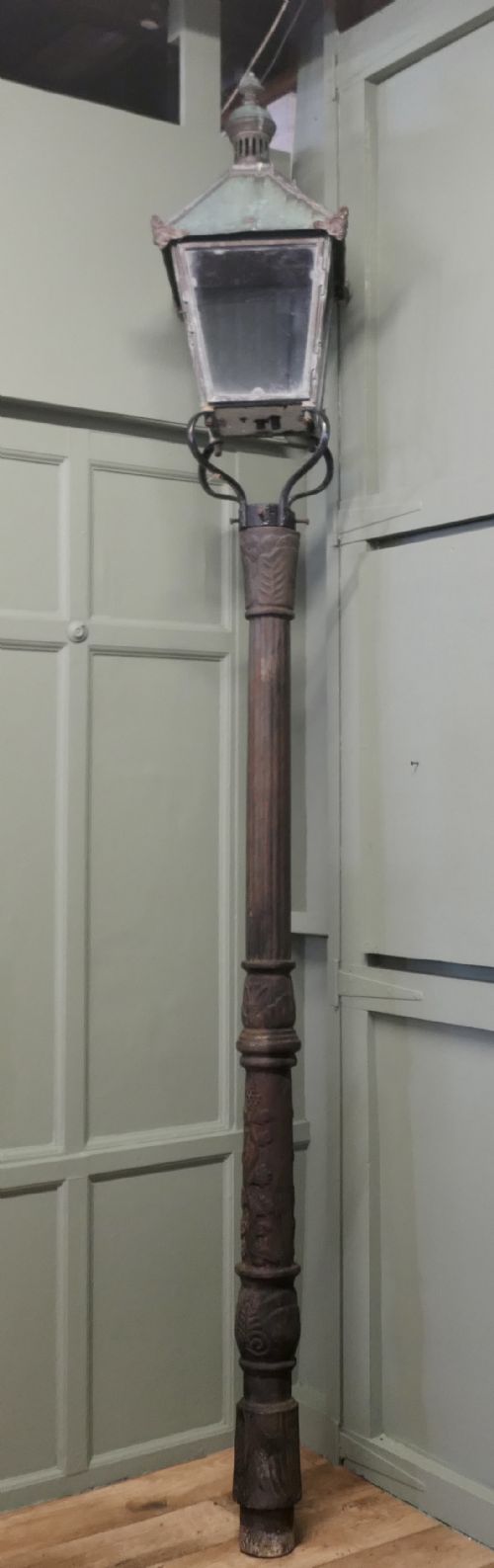
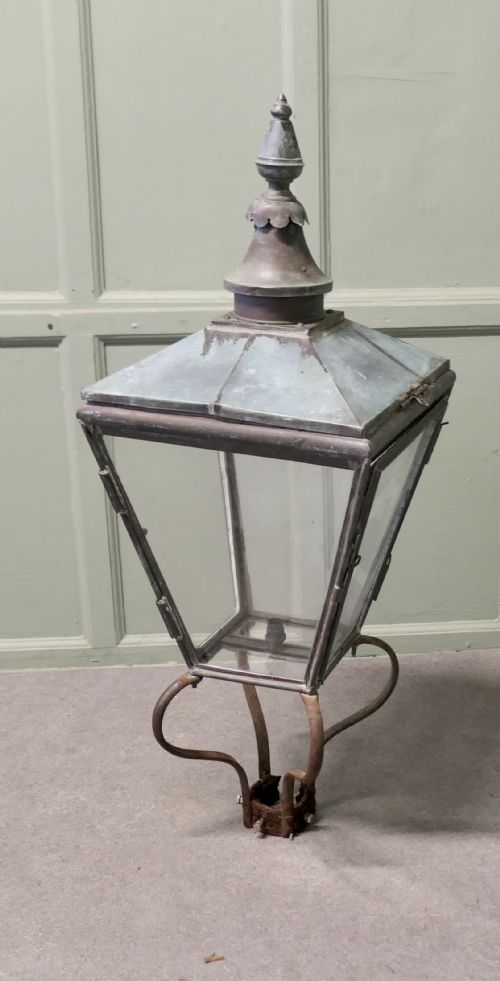
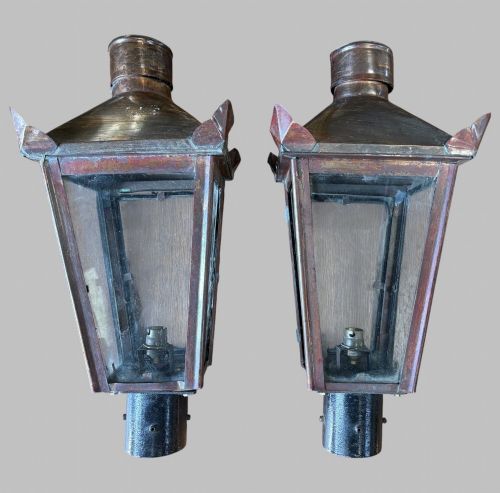
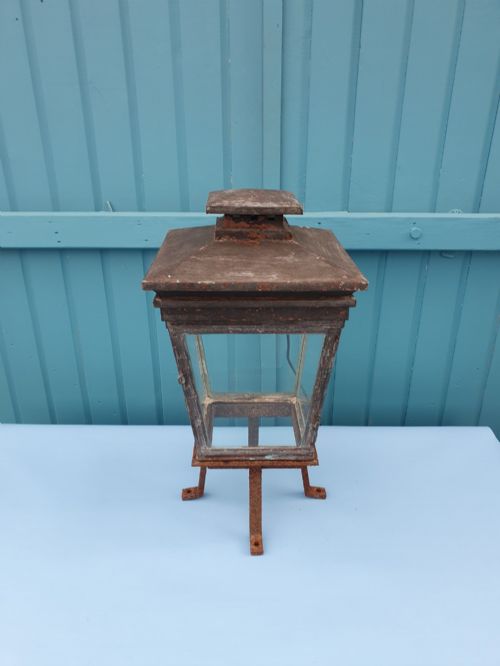
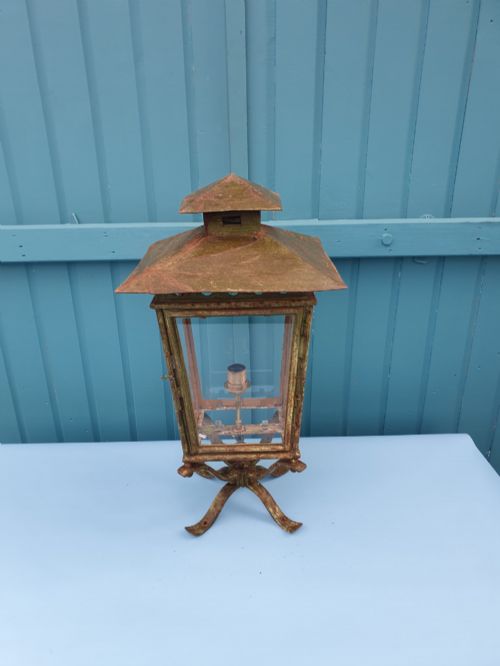
When you search for an antique garden light, you are looking at heavy metal street lamps, copper post lanterns, and porch lights drawn from Victorian and early twentieth-century periods. These survivors were originally fuelled by gas or oil before modern electrical conversion.
You are most likely to meet substantial copper lanterns and cast iron lamp posts on this page. Many examples retain their original mounting bases or bear the marks of municipal street lighting.
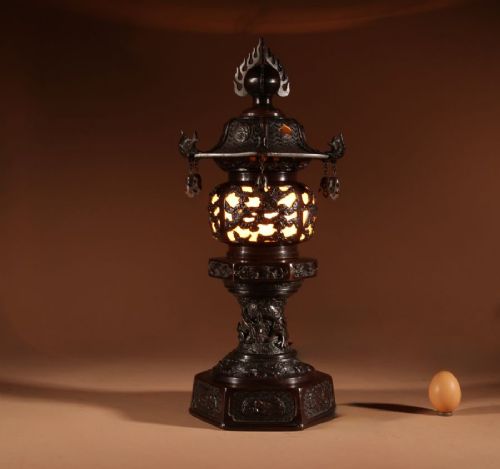
Alongside functional lampposts, the selection includes decorative bronze lanterns, oil paintings, and statues holding lamps. These diverse forms reflect how exterior illumination crossed paths with sculpture and fine art across the nineteenth and twentieth centuries.
How they were made
Makers shaped these lanterns from heavy sheet copper, cast iron, and wrought iron, often joining the metal panels with visible rivets and solder. Glass panes were then fitted into frames designed to withstand harsh outdoor weather.
Foundries utilised traditional casting techniques for iron lamp posts and bronze figures, pouring molten metal into detailed moulds. Some surfaces received protective layers of oil paint or green pigment to deter rust and withstand the elements.
Antique Garden Light Retail Price Guide 2026
Typical asking prices for garden light among the pieces listed under this phrase on Sellingantiques today, from the lower quarter to the upper quarter. They describe what is for sale here now, not the wider market.
Listings feature copper, cast iron, and bronze materials spanning the Victorian era through to the nineteen-thirties.
What varies in quality
The weight and thickness of the metal distinguish superior pieces from lighter alternatives. Heavier copper sheets and solid cast iron bases endure decades of exposure without buckling.
The precision of the metalwork and the preservation of original brackets also set examples apart. Surviving gas conversion fittings and intact glass panels indicate a higher degree of historical integrity.
Foster And Pullen Bradford·Revo Tipton·Kershaw Schofield
The Antique Garden Light Glossary
- Lamppost
- A tall vertical post supporting a lantern at the summit. These structural pieces typically combine cast iron bases with decorative collars.
- Gas conversion
- The process of adapting an older gas or oil lamp to accept modern electrical wiring. This modification allows historic lanterns to function safely in contemporary gardens.
- Post lantern
- A light fixture designed to mount directly onto the top of a pillar or post. They feature enclosed copper or iron bodies with glass viewing panes.
- Spun copper
- Sheet metal shaped on a lathe to create rounded lamp bodies and cowls. This technique produces seamless curves found on many twentieth-century street lights.
Antique Garden Light: Frequently Asked Questions
How do I wire an old lantern?
Most antique lanterns require a qualified electrician to run modern cable through the historic frame. The original burner assemblies are usually removed to accommodate safe lamp fittings.
Weatherproofing is essential for outdoor placement. Rubber seals and proper exterior-rated wiring protect the internal components from moisture.
Can these lights stay outside?
Copper and cast iron handle outdoor environments well, developing a stable protective patina over time. Painted surfaces may require occasional touch-ups to prevent flaking.
Severe winter frost can crack fragile glass panels or freeze trapped water inside hollow posts. Bringing smaller lanterns indoors during extreme weather preserves them.
How do I date a lamppost?
Victorian examples tend to feature ornate decorative casting, gothic motifs, or heavy iron brackets. Twentieth-century designs lean towards industrial simplicity and cleaner lines.
Maker marks cast into the iron base or stamped onto copper collars provide definitive manufacturing periods. Comparing bolt patterns and mounting styles also helps determine age.
What is gas conversion?
Gas conversion means the interior burner and piping have been replaced with an electrical lamp holder. This allows historical street lamps to light modern gardens.
Signs of conversion include altered fuel valves and drilled entry holes for wires at the base. These modifications do not detract from the historical value of the housing.