






Antique Garden Display
An antique garden display brings structure and height to outdoor planting through weathered metal stands and stone pedestals.
Antique Garden Display
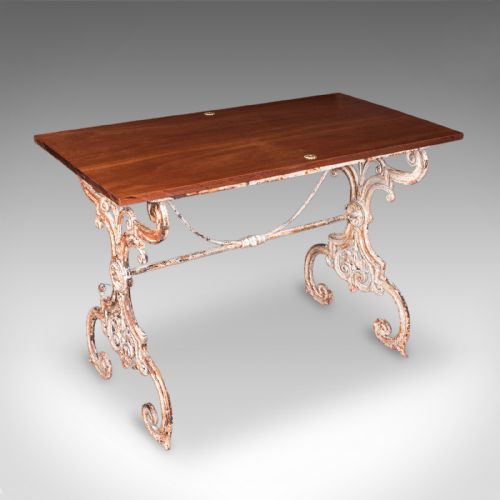
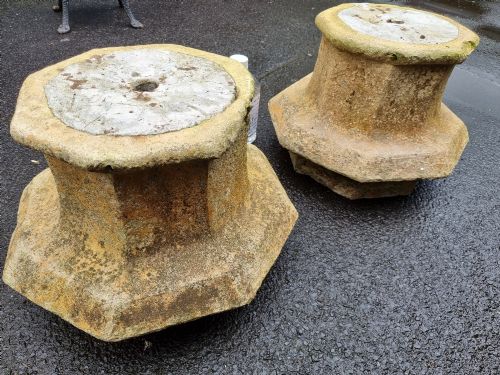
When you search for antique garden display, you encounter a practical mix of plant stands, pedestals, planters, and urns designed to elevate flora. These items structure open spaces and conservatories, offering sturdy resting points for pots and trailing greenery.
The selections span functional iron tiers and substantial stone plinths. Most pieces date from the nineteenth century, reflecting the Victorian passion for ornate horticulture and structured landscape arrangement.
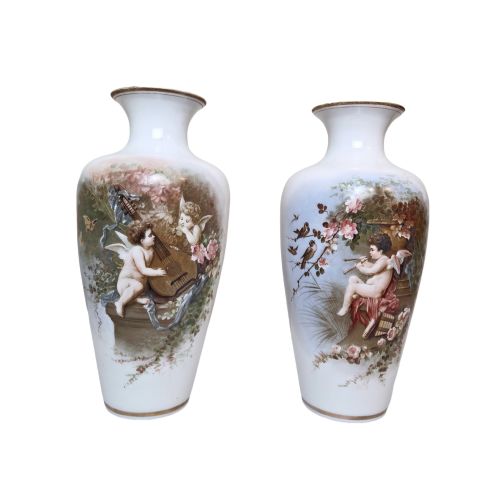
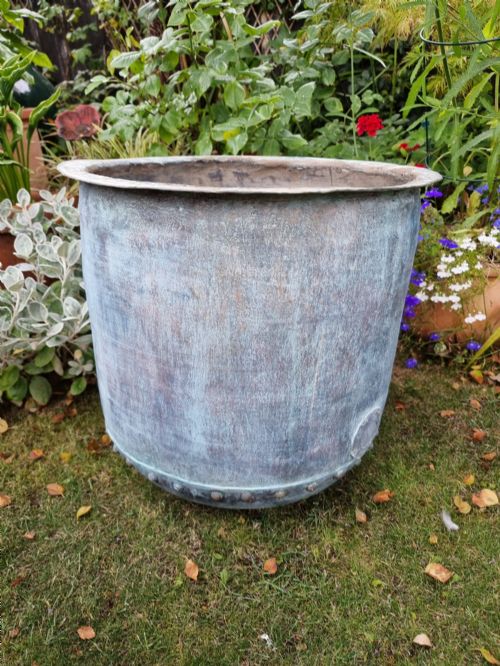
Alongside metal and stone furniture, the selection includes related items such as copper display pots, glass cloches, and decorative vessels. Each piece serves to frame plants and flowers with period character.
Materials and construction methods
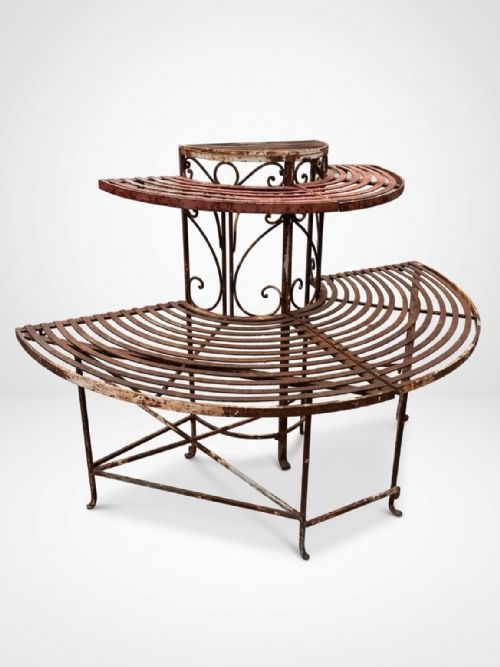
Cast iron and wrought iron dominate the metalwork, shaped into tiered stands, column planters, and riveted corner structures. Foundries utilised moulding and riveting techniques to build robust frames capable of supporting heavy earth and damp pottery.
Masonry items rely on composite stone and stoneware, carved or cast into architectural plinths and urns. These heavier mediums provide permanent weight for outdoor placement, withstanding weathering over decades of exposure.
Antique Garden Display Retail Price Guide 2026
Typical asking prices for garden display among the pieces listed under this phrase on Sellingantiques today, from the lower quarter to the upper quarter. They describe what is for sale here now, not the wider market.
Listings feature items spanning the eighteenth to early twentieth centuries, constructed from cast iron, wrought iron, stoneware, and composite stone.
Distinctions in quality and finish
Quality rests in the integrity of the material and the crispness of any cast decoration, such as botanical motifs or structural ribbing. Superior ironwork shows clean lines and secure joints without excessive modern reinforcement.
Surface patination plays a major role in visual appeal, where aged paint, natural rust, or weathered stone surfaces reflect authentic decades outdoors. Pieces retain their original structural balance and weight, ensuring stability when loaded with plants.
The Antique Garden Display Glossary
- Plant stand
- A tiered or single-platform piece of furniture designed to elevate potted plants off the ground. These structures allow trailing plants more room and improve drainage.
- Plinth
- A heavy base or architectural block used to support a vase, urn, or sculptural element. Plinths add vertical presence to garden displays.
- Cloche
- A bell-shaped glass cover placed over young plants to protect them from frost and wind. Victorian examples are prized for their utilitarian greenhouse utility.
- Jardiniere
- An ornamental pot or stand specifically made for holding flowers and plants. They often feature decorative cast or painted surfaces.
Antique Garden Display: Frequently Asked Questions
What is an antique garden display?
An antique garden display comprises historical objects used to arrange and elevate plants, such as iron plant stands, stone plinths, and copper pots.
These pieces originate mostly from the nineteenth century and reflect period horticultural trends.
How were cast iron plant stands used?
Gardeners placed iron stands on patios, in conservatories, or along paths to hold multiple potted plants at varying heights.
The tiered design maximised sunlight exposure and improved air circulation for delicate flora.
Can iron plant stands stay outside?
Most antique iron stands tolerate outdoor environments, provided they receive proper maintenance against ongoing moisture.
Many pieces develop a stable weathered patina that protects the underlying metal over time.
How do I identify Victorian garden pieces?
Victorian items typically feature heavy cast iron construction, Gothic revival motifs, or structured tiered wirework.
Construction details like riveted joints and composite stone point directly to mid to late nineteenth-century manufacturing methods.