



Antique Garden Artwork
Antique garden artwork captures cultivated outdoor spaces through paintings and watercolours that bring the charm of historic grounds indoors.
Antique Garden Artwork
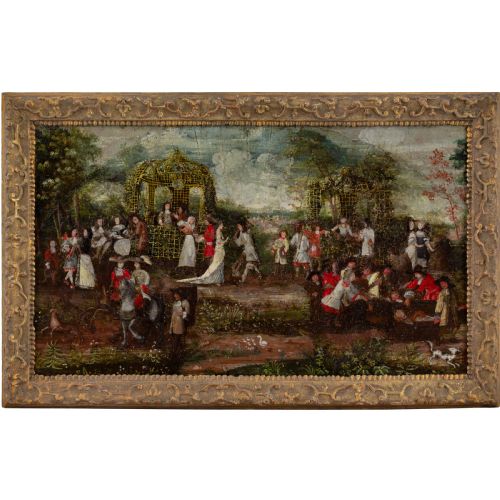
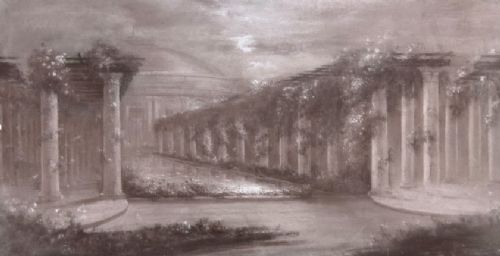
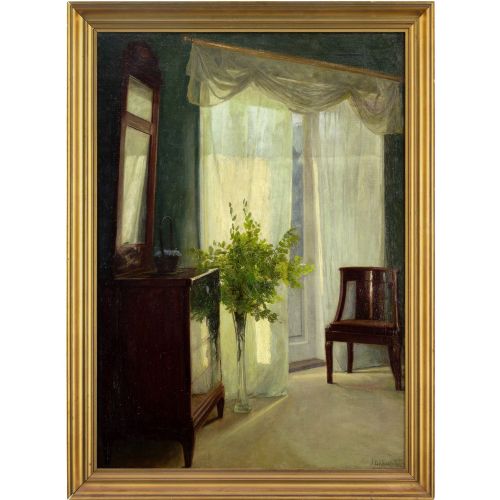
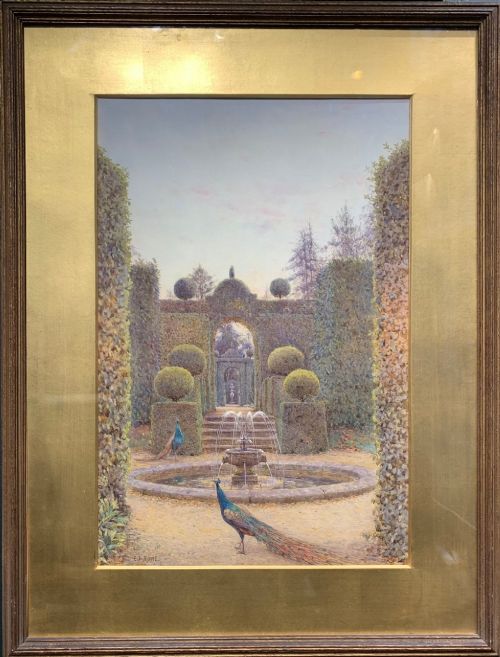
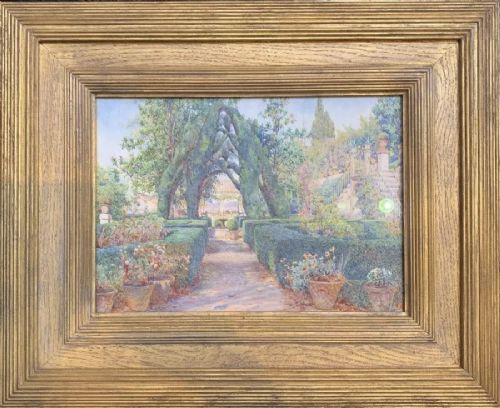
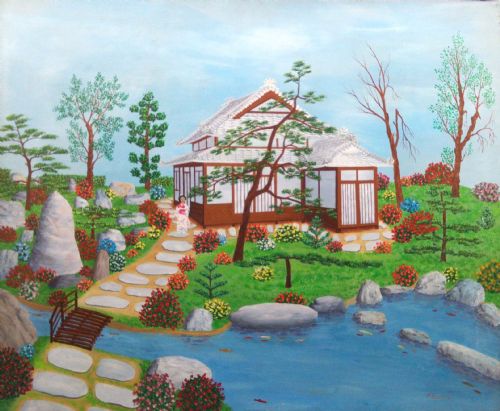
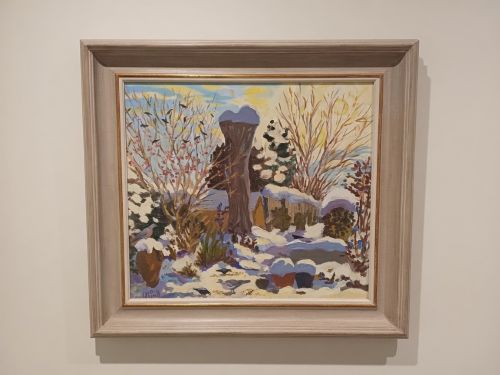
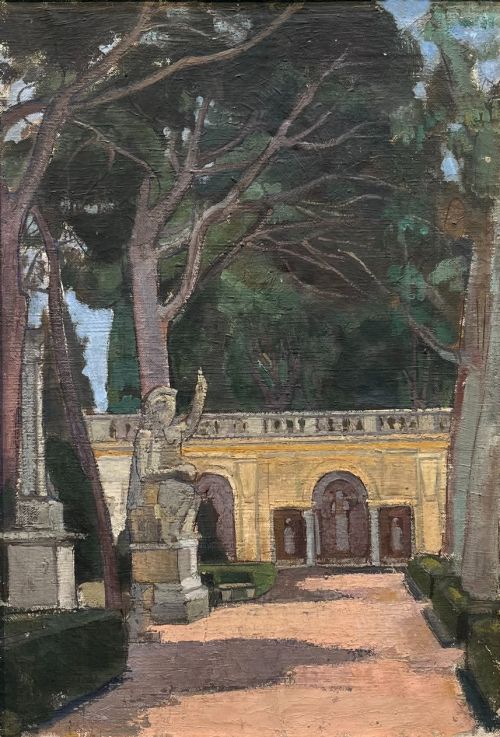
When searching for antique garden artwork, collectors encounter a diverse selection of pieces focusing on botanical settings, floral displays, and outdoor scenes. These works capture everything from structured country house grounds to quiet cottage sanctuaries across various historical periods.
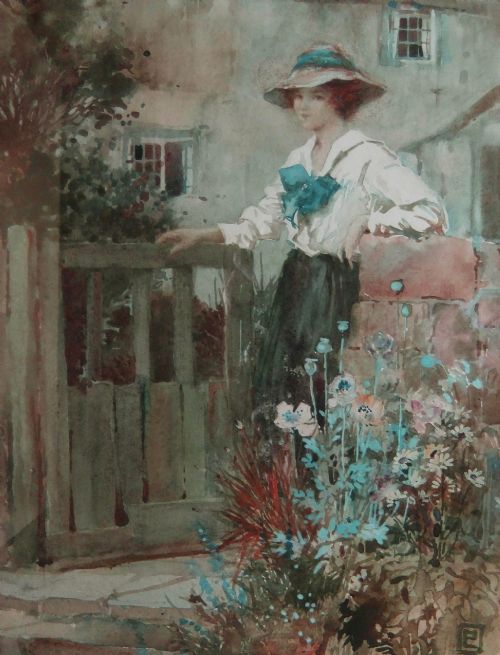
The most common examples on this page are watercolours and oil paintings dating from the Victorian era into the mid-twentieth century. Artists frequently depicted sunlit pathways, walled enclosures, and floral arrangements with distinct regional character.
The selection extends beyond traditional canvases to include mixed media, architectural prints, embroidery, and enamels. Each format offers a different interpretation of natural and cultivated landscapes recorded by past artists.
Materials and Techniques
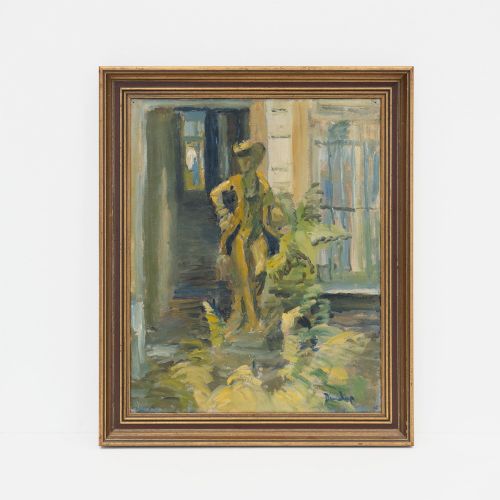
Paintings in this category rely heavily on oil and watercolour applied to canvas, paper, or board. Artists utilised these media to capture natural light and vibrant floral hues within various garden settings.
Framing plays a significant role in presentation, with period pieces often housed in gilt wood frames or specialist surrounds like verre églomisé glass. Textile works employ detailed embroidery threads on fabric bases to depict garden motifs.
Antique Garden Artwork Retail Price Guide 2026
Typical asking prices for garden artwork among the pieces listed under this phrase on Sellingantiques today, from the lower quarter to the upper quarter. They describe what is for sale here now, not the wider market.
A bronze dragon occasionally keeps watch over the foliage.
Factors of Quality
The skill of the artist and the precision of the composition dictate the distinction at the upper end of the range. Masterly handling of light, atmosphere, and botanical detail separates accomplished paintings from standard decorative works.
Condition and originality remain essential considerations for collectors. Pieces retaining their original period frames and untouched painted surfaces demonstrate greater integrity than those with modern alterations.
Ernest Arthur Rowe·Percy Lancaster·Ralston Gudgeon·Harry Wanless·Arthur Hopkins·Rowland Henry Hill·Theresa Stannard·Owen Bowen·Ernest Higgins Rigg·Kershaw Schofield·Martinetti·Lilian Stannard·Charles E Cundall·Frank Moss Bennett·Arturo Orselli·William Hatherell·Samuel Sidley·Paul Viry·David Woodlock·Herbert Royle
The Antique Garden Artwork Glossary
- Verre Églomisé
- A process of applying cold gilding and painting on the reverse side of glass to create a decorative frame border. This technique provides a reflective, ornate finish popular in period framing.
- Watercolour
- A painting method where pigment is suspended in a water-based solution on paper. It allows for translucent washes and delicate botanical detailing.
- Oil on Canvas
- A traditional painting medium utilising pigments bound in a drying oil applied to stretched fabric. This technique offers rich colour depth and lasting durability.
- Mixed Media
- An artwork combining two or more artistic materials or techniques on a single surface. Artists use this approach to add texture and layered visual interest to floral scenes.
- Okimono
- A Japanese freestanding decorative carving designed for display. These figures often depict natural themes or garden subjects in bronze or other materials.
Antique Garden Artwork: Frequently Asked Questions
What periods do these garden artworks cover?
The pieces span from the late seventeenth century through the Victorian era up to the mid-twentieth century. Most examples date from the late nineteenth and early twentieth centuries.
Collectors will find works representing specific historical artistic movements alongside traditional pastoral and impressionist styles from Britain and Europe.
How were these garden scenes traditionally displayed?
Historic garden artworks were primarily created for domestic interior display in drawing rooms, studies, and country houses. They served to bring views of nature inside during colder months.
Many retain their original period frames, which were chosen to complement the decorative arts style of the home.
What materials are most common in these pieces?
Watercolour on paper and oil paint on canvas form the majority of the works available. Artists also utilised mixed media, woolwork, embroidery, and enamel.
Frames frequently feature carved and gilded wood, occasionally accented with specialist glass panels to enhance the artwork.
How do I identify a Victorian garden painting?
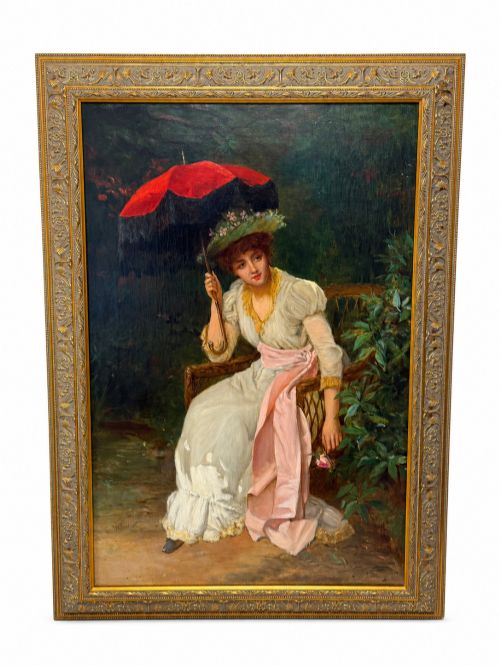
Victorian works often focus on narrative elements within the garden, such as figures with parasols, cottage gates, or formal terrace gatherings. The clothing and architectural details provide clear chronological clues.
Signatures, dates, and framing styles further help verify the nineteenth-century origins of the canvas or paper.