




Antique Games Room
An antique games room brings together card tables, scoreboards and billiard lighting crafted to transform domestic spaces into places for leisure.
Antique Games Room
When you search for an antique games room, you encounter furniture and accessories designed for indoor pastimes during the nineteenth and early twentieth centuries. These items range from folding chess sets and card tables to large mahogany scoreboards and brass ceiling lights.
The pieces appearing most frequently originate from the Victorian and Edwardian eras, reflecting the domestic leisure habits of those periods. Card tables in mahogany and rosewood sit alongside specialised oak scoreboards made for billiard and snooker rooms.
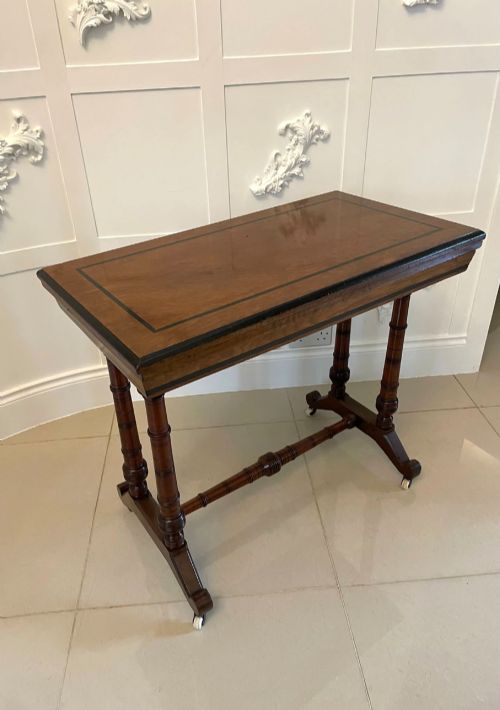
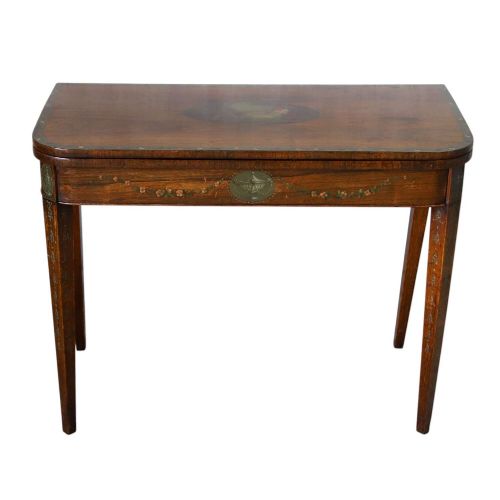
Card tables provide the primary furniture form, often featuring inlaid brass or later painted decoration. Scoreboards and cue stands complete the equipment necessary for traditional parlor and billiard room pastimes.
Materials and construction
Cabinetmakers relied heavily on dense hardwoods such as mahogany, oak, and rosewood to withstand the daily wear of domestic play. These timbers were polished to show rich grain patterns, sometimes accented with brass inlay or leather upholstery.
Functional accessories utilised specialised materials appropriate to their purpose, including slate for billiard components, bone for gaming pieces, and glass for ceiling lights. Mechanical scoreboards and revolving cue stands incorporated brass fixtures to ensure smooth operation during use.
Object types include card tables, mechanical cue stands, multi-branch billiard lights, and wall-mounted scoreboards.
Assessing quality and craftsmanship
Superior pieces display careful timber selection and precise joinery, particularly in the folding mechanisms of card tables and the sliding indicators of scoreboards. Maker attribution to established firms elevates an item, as seen in works associated with makers like Thurston and Cox & Yeman.
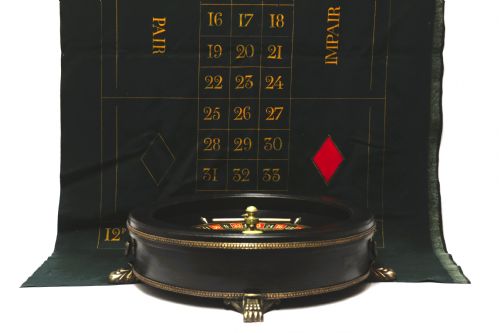
Decoration distinguishes standard utility items from exceptional examples through fine brass inlay, carved details, or original painted surfaces. The retention of original components, such as felt cloths on roulette wheels or complete scoring dials, preserves the integrity of the piece.
Orme & Sons Manchester·Thurston & Co of London·Cox & Yeman London·Burroughes and Watts
The Antique Games Room Glossary
- Card Table
- A specialised table featuring a folding top designed for playing card games such as cribbage or whist. Many examples open to reveal a baize-lined playing surface.
- Scoreboard
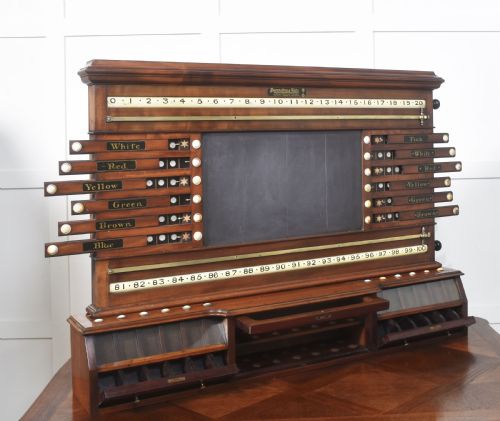
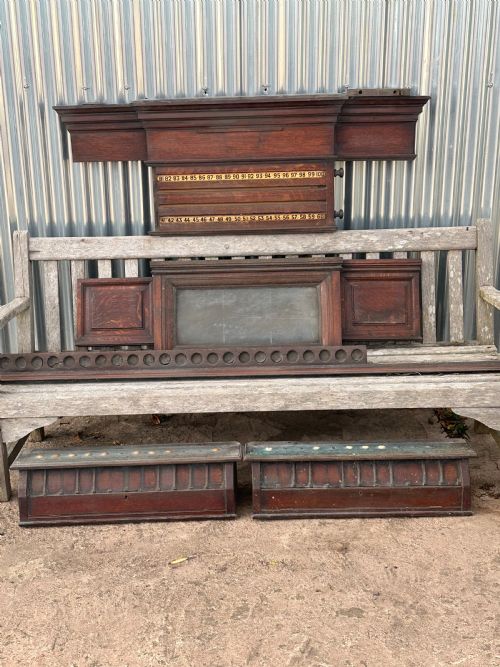
- A wall-mounted or freestanding wooden cabinet utilised to track points during billiard, snooker, or pool matches. These boards frequently incorporate brass sliding markers and revolving rollers.
- Cue Stand
- A rack or cabinet engineered to hold billiard and snooker cues securely when not in use. Some variations feature a revolving design for easy access.
- Billiard Light
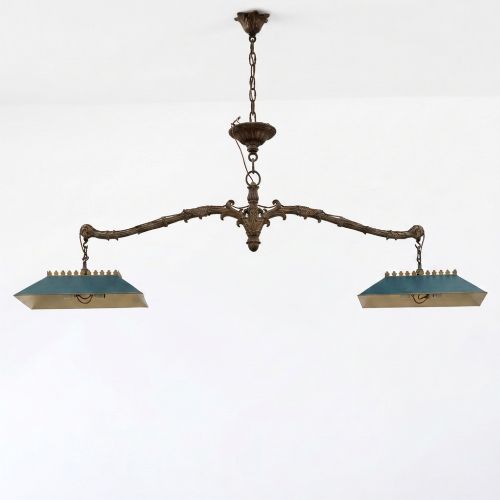
- A hanging ceiling fixture designed to illuminate a billiard or snooker table evenly. They often incorporate multiple glass shades branching from a central metal frame.
Antique Games Room: Frequently Asked Questions
How do I identify a period games table?
Examine the timber, construction methods, and hardware to determine the era of manufacture. Regency tables often feature brass inlay and rosewood veneers, while Victorian and Edwardian examples utilise solid mahogany and oak.
Look closely at the secondary woods used inside drawers or underframes, as these reveal the traditional working methods of nineteenth-century cabinetmakers.
What were billiard scoreboard cabinets used for?
Billiard scoreboard cabinets were mounted on the walls of billiard rooms to track scores for games like snooker, pool, and life pool. Their sliding dials and pointers allowed players to keep an accurate tally during long matches.
Many of these large wooden boards also included hooks for hanging rests and small compartments to store chalk.
Are card tables suitable for daily use?
Card tables from the nineteenth century were built from sturdy hardwoods like mahogany and oak to withstand regular indoor recreation. Their folding tops function well for occasional dining, writing, or card games.
Care should be taken to protect the polished wood surfaces and original baize interiors from moisture and heavy impacts.
How do I care for antique gaming furniture?
Maintain antique games furniture by keeping it away from direct sunlight and sudden temperature changes, which can warp timber and dry out polish. Dust regularly with a soft, dry cloth and apply a quality beeswax periodically to nourish the wood.
Avoid placing damp glasses or hot items directly onto antique table surfaces to preserve the historic finish.