






Antique Game Prints
These antique game prints bring the field indoors, capturing birds and shooting scenes on paper.
Antique Game Prints
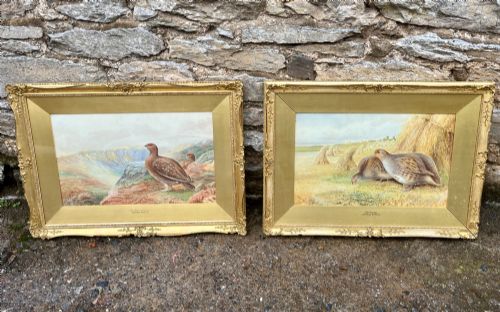
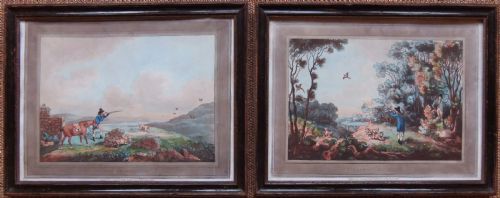
When you search for antique game prints, you encounter framed artwork and wall art depicting shooting scenes, game birds, and field sports. These pieces originate from the nineteenth century, the Victorian era, and the Edwardian period, often created as watercolours or engravings on paper.
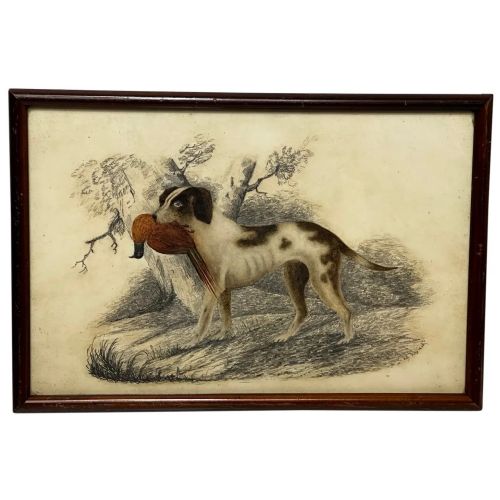
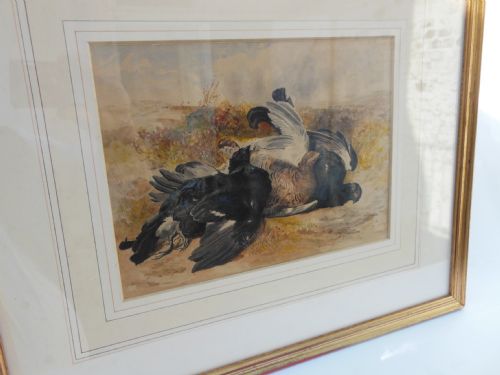
You are most likely to meet framed prints and watercolour paintings showing pointer gun dogs or game birds like black game. The selection also includes sets of four prints and individual works capturing rural sport.
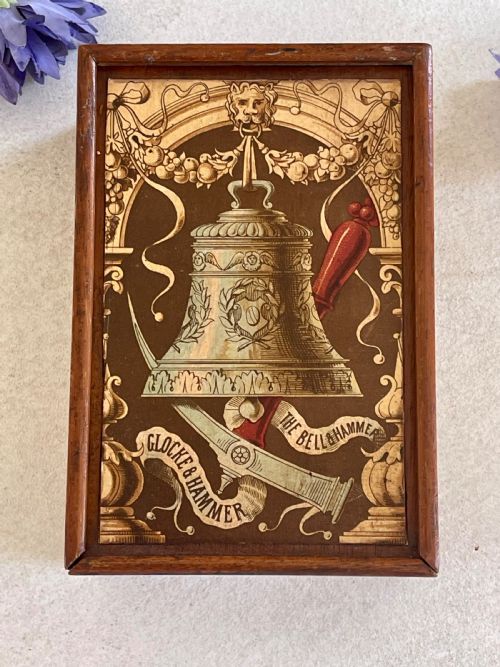
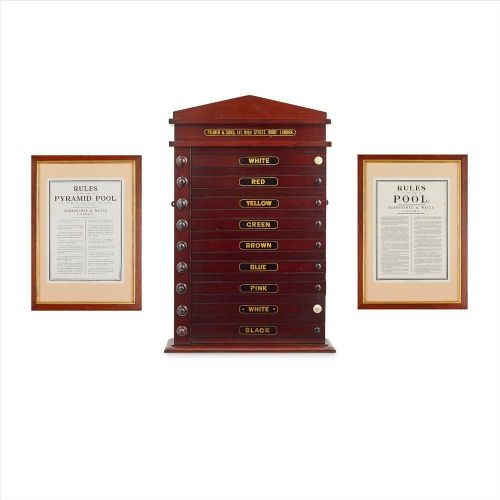
The objects span Georgian, Regency, and early twentieth-century styles, reflecting British naturalism and Victorian sporting traditions. Alongside standard wall art, related items such as scoreboards and game bells appear in the broader category.
How they were made
These works rely primarily on paper for the base image, whether through printed reproduction or direct application of watercolour paint and ink. Artists utilised traditional pigments to render feather details and outdoor lighting with precision.
Framing typically involves wood and giltwood, sometimes protected by glass to preserve the delicate paper beneath. Embossed techniques add texture to specific Victorian print series, creating physical relief on the surface.
Antique Game Prints Retail Price Guide 2026
Typical asking prices for game prints among the pieces listed under this phrase on Sellingantiques today, from the lower quarter to the upper quarter. They describe what is for sale here now, not the wider market.
Listings span the nineteenth century, the Victorian era, and the Edwardian period, utilising paper, watercolour paint, ink, wood, and gilt.
What varies in quality
The standard of execution in watercolour paint and the sharpness of the printed lines dictate the visual strength of each piece. Skilled draughtsmanship captures the anatomical accuracy of gun dogs and game birds far better than generic studio output.
Original framing materials, such as period giltwood frames, contribute to the integrity of the object. Sets that remain complete, such as groups of four shooting scenes, hold greater visual consistency than scattered individual sheets.
George Rankin·Sam. Howitt·Palmer and Sons·Archibald Thorburn
The Antique Game Prints Glossary
- Watercolour
- A paint consisting of transparent pigment suspended in a water-based solution. It is applied to paper to create detailed illustrations of wildlife and sporting subjects.
- Engraving
- A printmaking process where an image is incised into a plate to hold ink. These lines transfer onto paper under pressure, producing crisp graphic details.
- Giltwood
- Wood carved and coated with gold leaf or a metallic substitute. It is commonly found on the antique frames enclosing these sporting works.
- Naturalism
- An artistic style focused on accurate depiction of the natural world. British examples often emphasise authentic representation of flora and fauna in native habitats.
Antique Game Prints: Frequently Asked Questions
What are antique game prints?
These pieces comprise framed watercolours, engravings, and printed works depicting shooting scenes, game birds, and hunting dogs. They date from the nineteenth and early twentieth centuries.
They reflect British sporting culture and naturalism, serving traditionally as decorative wall art for studies, libraries, and country houses.
How were game prints displayed?
Period works were typically placed in wooden or giltwood frames behind glass to protect the paper from moisture and handling. Sets of four were often hung together in a symmetrical arrangement.
Today, they suit traditional interiors, living rooms, and hallways where sporting art creates a distinct historical atmosphere.
How do I care for paper art?
Keep framed pieces away from direct sunlight to prevent the watercolour paint and ink from fading over time. Maintain stable room temperatures to avoid humidity damage to the paper.
Avoid hanging them in damp spaces, and ensure the backing board and glass remain sealed against dust and insects.
How do I identify the period?
Examine the framing methods, paper quality, and stylistic cues such as Regency linear precision or Victorian decorative embossing. Signatures and accompanying inscriptions often point directly to known artists or publishers.
Comparing the printing technique against standard historical timelines helps separate nineteenth-century productions from later twentieth-century reproductions.