

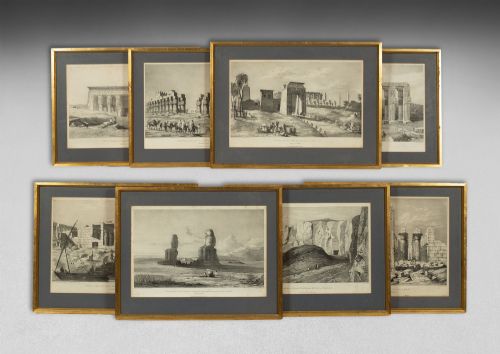
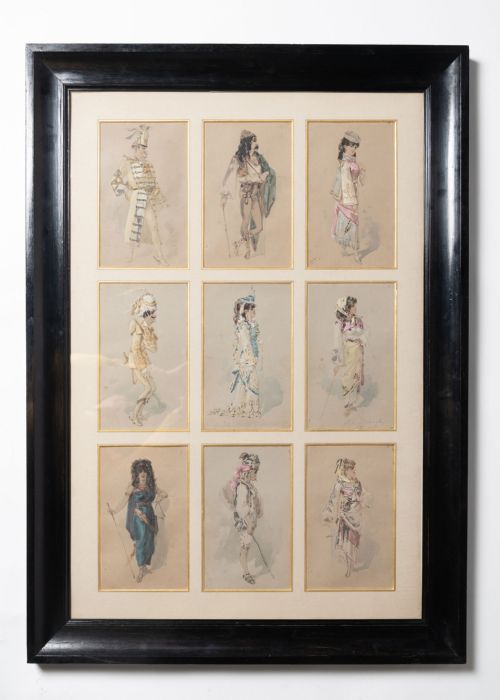
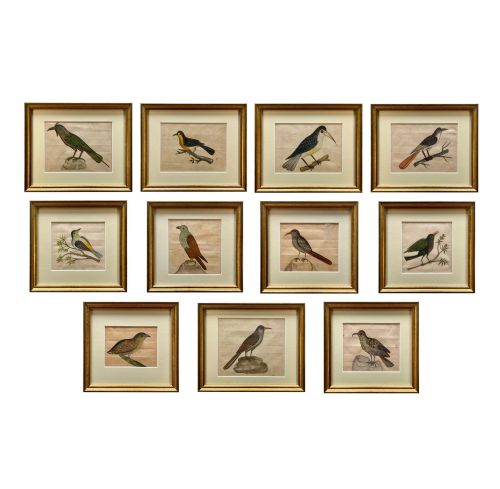
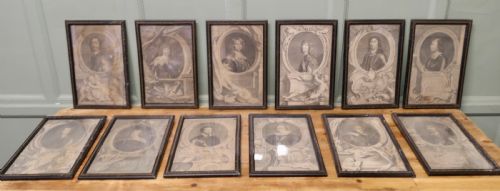


Antique Gallery Artwork
These antique gallery artwork pieces bring historical prints, watercolours, and oils straight from period walls into your home.
Antique Gallery Artwork
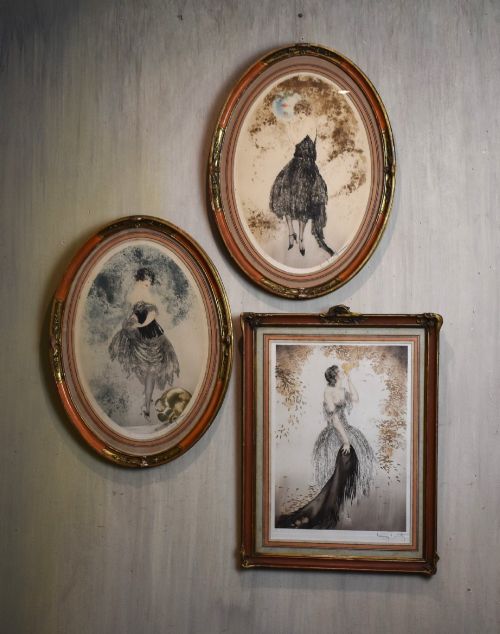
When you search for antique gallery artwork, you encounter framed pieces that span centuries, originating from British, European, and Chinese export traditions. These works include framed prints, detailed engravings, watercolour paintings, and oil portraits.
The most common items on this page are sets of framed prints, botanical engravings, and gouache paintings. They originate predominantly from the eighteenth and nineteenth centuries, reflecting the classical tastes of country houses and urban galleries alike.
Many of these works capture interiors, sporting scenes, and maritime subjects, often preserved in sets. They offer a direct window into historical display methods and traditional artistic documentation.
How these artworks were made
The materials recorded in these listings rely heavily on traditional paper, watercolour, ink, gouache, and pencil mediums. Engravings and mezzotints provide the printed foundations, while many sheets receive delicate hand tinting.
Frames utilise wood, gilt wood, and gold leaf to house the paper and canvas works securely. These framing techniques protect watercolours and engravings while providing the ornate borders expected of period gallery pieces.
Antique Gallery Artwork Retail Price Guide 2026
Typical asking prices for gallery artwork among the pieces listed under this phrase on Sellingantiques today, from the lower quarter to the upper quarter. They describe what is for sale here now, not the wider market.
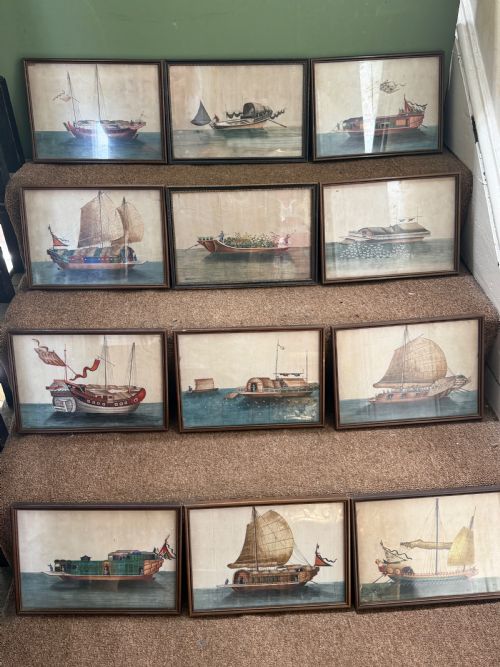
Even ships get portraits, as shown by the twelve Chinese Export gouache paintings of Junks.
What separates the finest pieces
Quality rests in the precision of the hand colouring, the clarity of the plate mark on engravings, and the preservation of the paper. Superior works retain their original pigment vibrancy without heavy fading.
The execution of the brushwork in watercolour and gouache landscapes or portraits defines the upper tier of the range. Complete sets remaining intact with their original framing also elevate the historical significance of the group.
William James Hubard·Fred Fitzpatrick·Louis Icart·Thomas G Appleton·Edward Stodart·Pancrace Bessa·John Curtis·Edward Lear·George Cattermole
The Antique Gallery Artwork Glossary
- Mezzotint
- A printmaking process where the copper plate is roughened to produce tones and rich dark areas. It allows for subtle gradations of light and shade.
- Gouache
- An opaque watercolour medium containing gum arabic and pigment. It gives a heavier, more solid colour finish than standard transparent watercolour.
- Engraving
- An intaglio printmaking method where lines are cut directly into a metal plate with a sharp tool. This technique yields sharp, precise linework.
- Chinese Export
- Goods produced in China specifically for Western markets, often featuring traditional maritime subjects or shipping scenes.
- Silhouette
- A solid dark profile portrait, often cut from paper or painted in black against a light background. It gained popularity during the eighteenth and nineteenth centuries.
Antique Gallery Artwork: Frequently Asked Questions
What subjects appear in these gallery artworks?
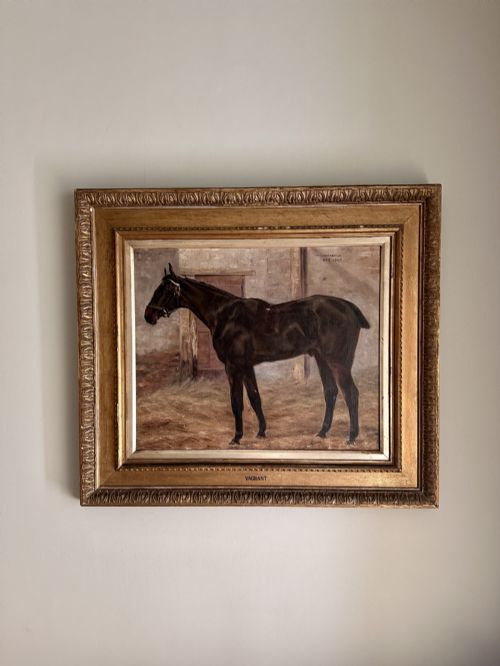
The listings encompass botanical studies, bird engravings, equine portraits, river landscapes, and maritime scenes of ships.
You also find interior gallery scenes, royal portraits, and traditional silhouette conversation pieces.
How were these pieces displayed historically?
Many framed artworks and prints were hung in long galleries of country houses alongside armour and decorative items.
Sets of engravings and watercolours were often grouped together to form cohesive decorative schemes on panelled walls.
Are these artworks sold individually or in sets?
A significant portion of the pieces available here are offered as sets, ranging from pairs to groups of twelve or twenty-seven.
Single framed prints, paintings, and portraits also appear across the selection.
How can I tell the period of an artwork?
Dating relies on the paper type, framing materials, printing techniques such as mezzotint or engraving, and artist signatures.
Historical subjects and documented provenance from estates or galleries further help establish the era.