

Antique Furniture Stool
These antique furniture stool examples range from robust seventeenth-century jointed oak to ornate Victorian rosewood, offering practical seating and support.
Antique Furniture Stool
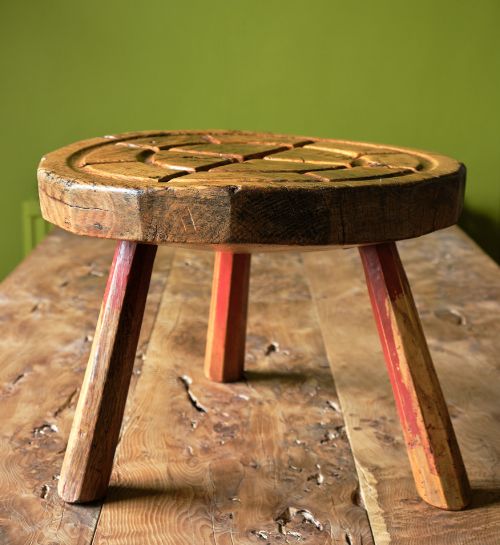
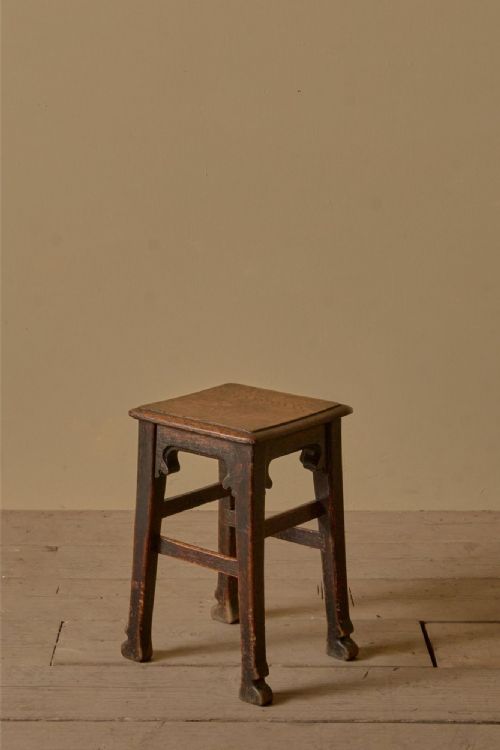
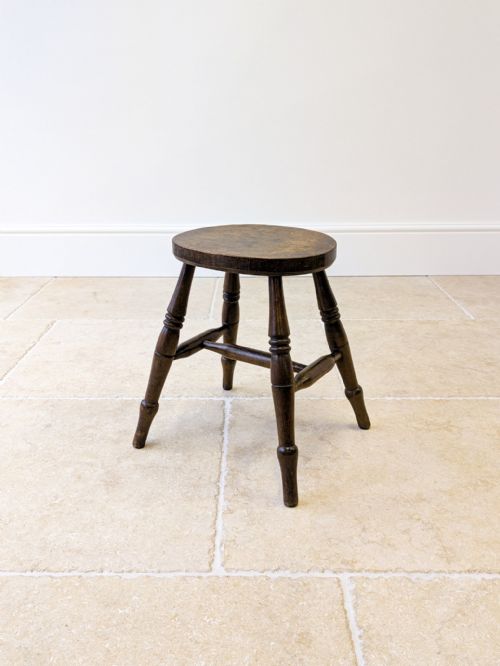
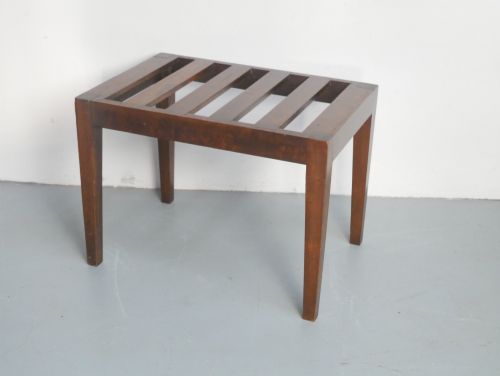
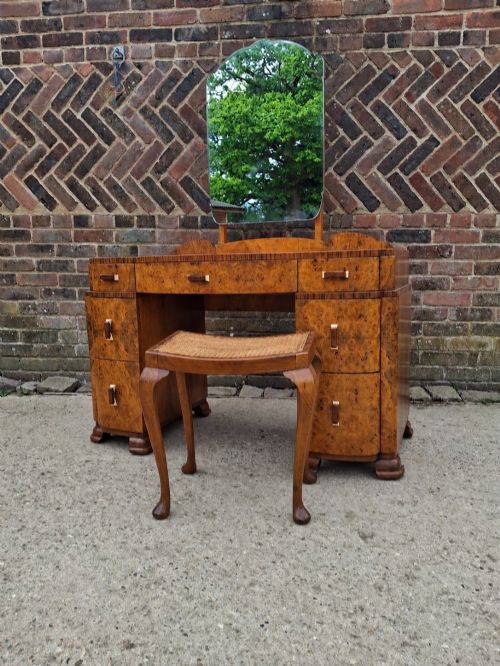
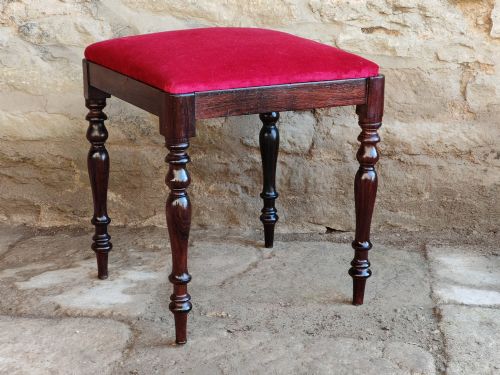
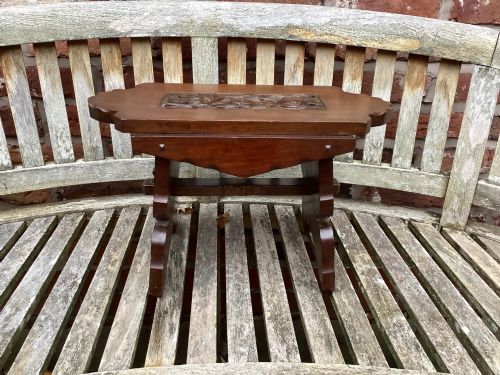
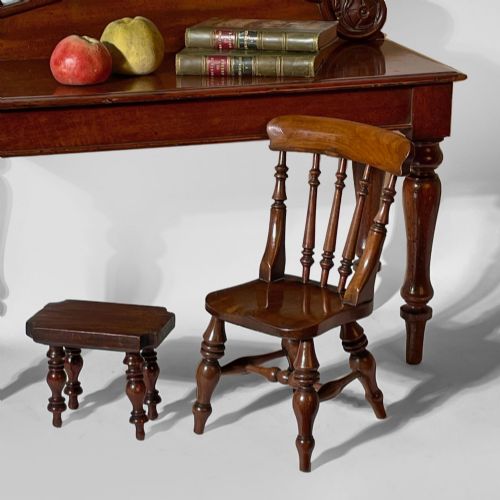
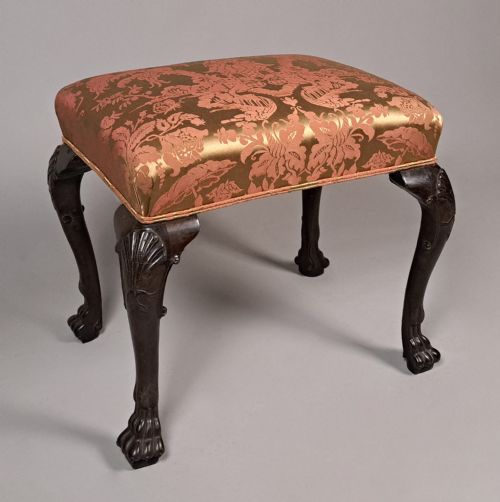
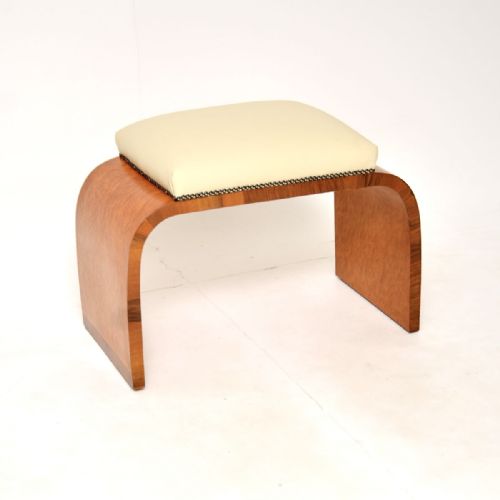
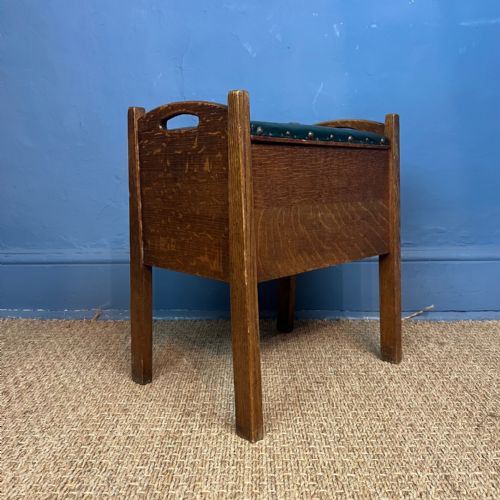
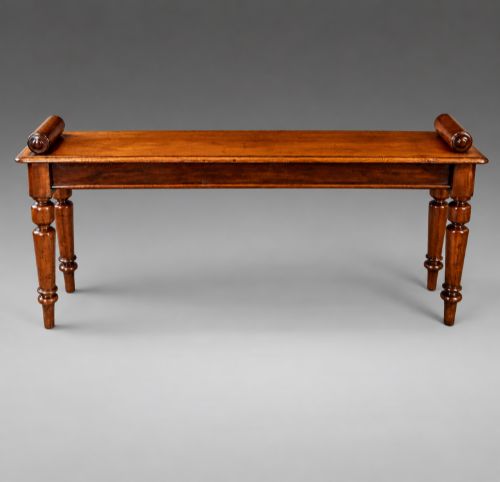
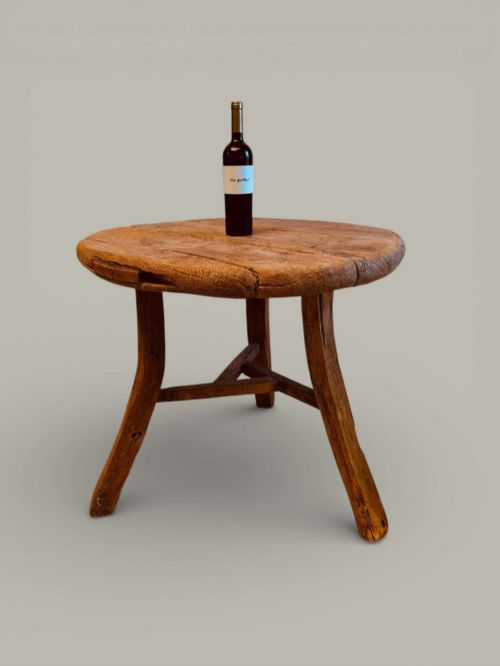
When you search for an antique furniture stool, you encounter a wide variety of domestic forms spanning several centuries, from utilitarian seventeenth-century jointed timber frames to sophisticated nineteenth-century upholstered piano seats and footstools. The selection on this page relies heavily on nineteenth-century and eighteenth-century examples, alongside earlier seventeenth-century joint stools and twentieth-century leather novelty pieces.
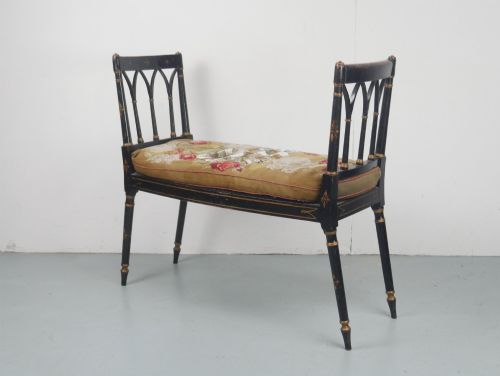
Makers utilised these low seating forms for multiple domestic duties, including dressing table seats, music stools, footrests, and occasional side stands. Alongside standard four-legged stools, the inventory holds specialised iterations such as gout stools, window seats, piano stools with adjustable mechanisms, and robust pub seating.
Quality and Construction
Superior examples demonstrate crisp, deep hand-carving and careful selection of figured timbers, whereas lower tiers rely on plain surfaces and repetitive machine finishing. The precision of the joinery determines structural integrity, particularly in joint stools where peg placement and timber seasoning dictate longevity.
The integrity of original upholstery materials, needlework, and adjustable mechanical components separates exceptional decorative survivals from heavily altered pieces. Blacksmith repairs and patination tell a story of age, but the overall crispness of the carved detail and timber selection define the upper tier.
Antique Furniture Stool Retail Price Guide 2026
Typical asking prices for furniture stool among the pieces listed under this phrase on Sellingantiques today, from the lower quarter to the upper quarter. They describe what is for sale here now, not the wider market.
Listings feature eighteenth-century vernacular oak stools alongside nineteenth-century mahogany and rosewood variants.
Harry and Lou Epstein
The Antique Furniture Stool Glossary
- Joint stool
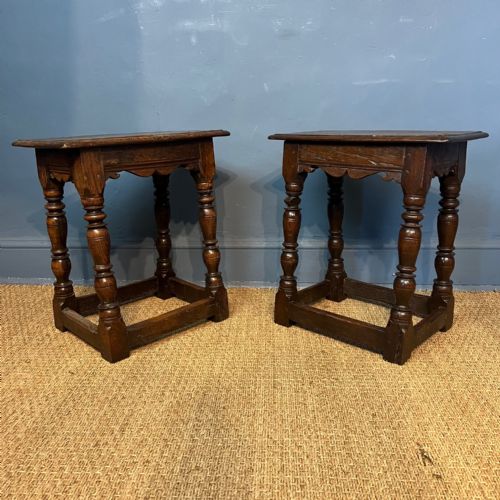
- A sturdy wooden stool constructed with mortise and tenon joints rather than turned legs held by glue. These pieces date primarily to the seventeenth and eighteenth centuries and served multiple household functions.
- Gout stool
- An inclined footstool designed to elevate and support legs affected by gout or circulatory discomfort. They frequently feature adjustable padded surfaces upholstered in leather or velvet.
- Calamander
- A heavy, durable hardwood sourced from India and Sri Lanka, characterised by rich dark brown coloration with contrasting light amber stripes. Cabinet makers utilised it for luxury nineteenth-century furniture.
- Needlepoint
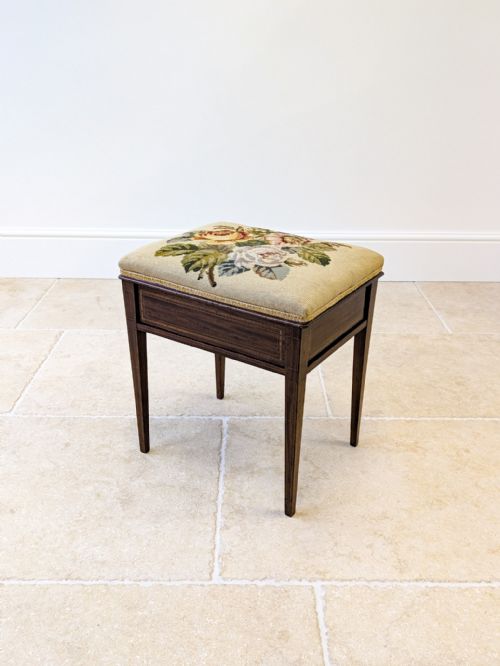
- A form of canvas work embroidery executed with wool or silk yarn, commonly applied to nineteenth-century footstool and bench seats. It provides a textured, decorative surface above the wooden frame.
- X-frame stool
- A seat featuring crossed supporting legs forming an X shape when viewed from the side. This classical form appears frequently in French Empire and revival designs.
Antique Furniture Stool: Frequently Asked Questions
What is a joint stool?
A joint stool is an early wooden seat built using pegged mortise and tenon joinery instead of turned legs. These sturdy pieces date from the seventeenth and eighteenth centuries.
Carpenters built them to withstand heavy daily use, and households deployed them for seating or as small utility tables.
How do I date an oak stool?
Dating relies on timber characteristics, tool marks left by early saws, and construction methods. Seventeenth-century examples show hand-split oak boards and pegged joints.
Later nineteenth-century revivals copy these early styles but utilise machine-cut timbers and different assembly hardware.
What is a piano stool used for?
Piano stools provide adjustable seating for musicians playing keyboard instruments. Many Victorian versions feature a central threaded spindle that alters the seat height when turned.
They often incorporate upholstered tops in leather or needlework to ensure comfort during long practice sessions.
Where were footstools placed?
Footstools rested near armchairs and sofas in parlours and drawing rooms to elevate feet off cold floors. Wealthy households utilised ornate needlepoint and mahogany frames.
Smaller variants, such as gout stools, offered specific angled support for resting limbs.