






Antique Furniture Showcase
These antique furniture showcase pieces are glazed cabinets and vitrines that display precious objects, bringing historical craftsmanship directly into your home.
Antique Furniture Showcase
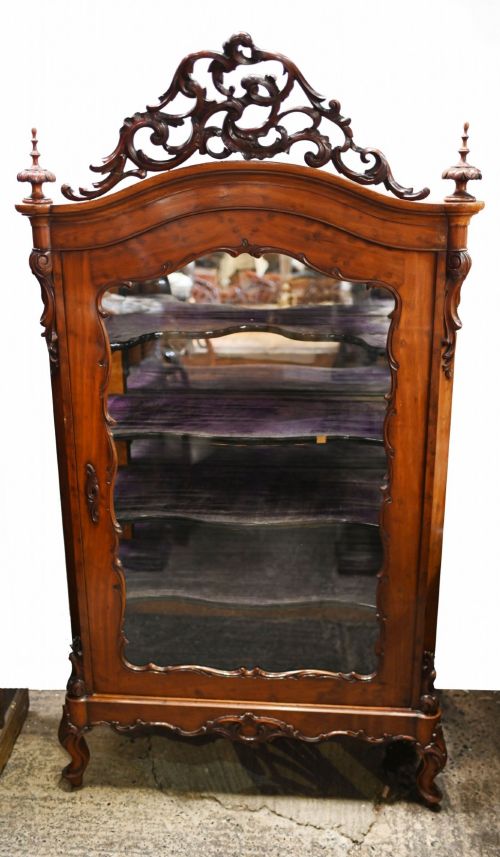
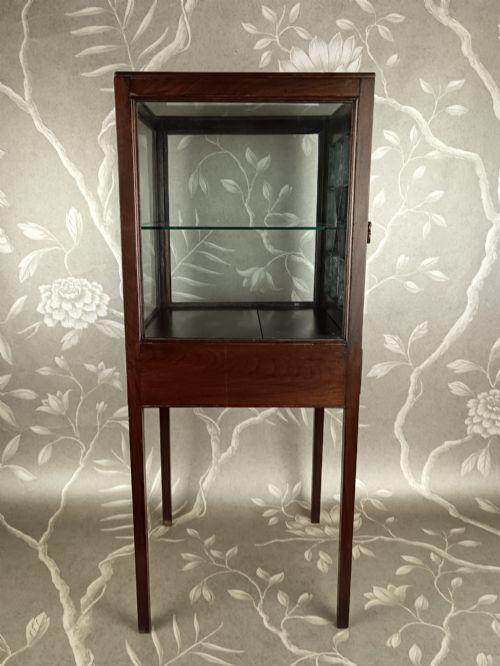
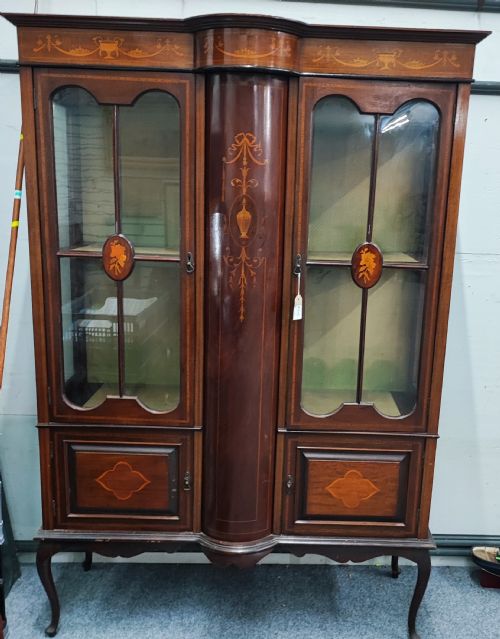
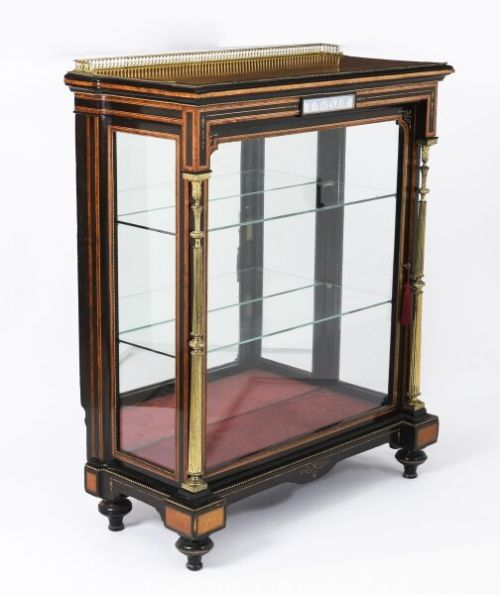
When you search for an antique furniture showcase, you encounter various forms designed to display valued possessions, including display cabinets, corner cabinets, wall cabinets, and bijouterie tables. These items serve to protect and exhibit objects of interest while adding a distinct period aesthetic to a room.
The pieces available span multiple eras, with Edwardian, Victorian, and 1900s designs appearing frequently alongside Georgian and 18th Century examples. Forms range from freestanding vitrines and pier display cabinets to compact wall-mounted units and glass-topped tables.
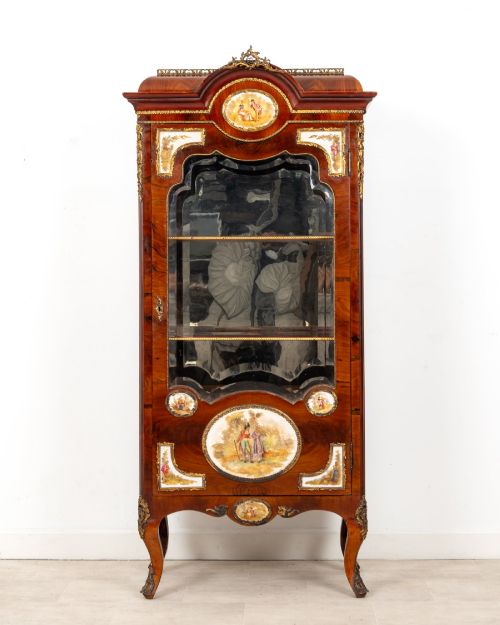
Makers and regional workshops utilised distinct local styles, producing pieces influenced by French Rococo Revival, Louis XV Revival, Dutch Baroque, and Art Nouveau movements. Each form reflects the domestic interior habits of its original era, balancing utility with display.
Materials and construction
Cabinet makers utilised primary timbers such as mahogany, walnut, satinwood, rosewood, amboyna, cedar, and cherrywood. These woods provided durable structures and rich grain patterns suitable for fine domestic furniture.
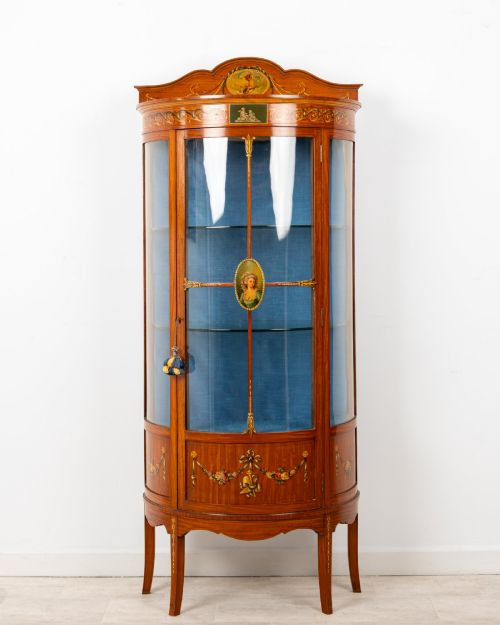
Decoration relied on applied elements like brass mounts, ormolu, marquetry inlay, and painted floral or porcelain plaque details. Glass panes and fabric or velvet linings completed the enclosed display spaces.
Antique Furniture Showcase Retail Price Guide 2026
Typical asking prices for furniture showcase among the pieces listed under this phrase on Sellingantiques today, from the lower quarter to the upper quarter. They describe what is for sale here now, not the wider market.
Listings feature items built from mahogany, walnut, satinwood, and cherrywood, spanning the Georgian era through to the Art Deco period of 1930.
Quality variations
The standard of a showcase depends on the precision of its timber selection, cabinet joinery, and the refinement of its decorative inlays or carved details. Superior examples exhibit cohesive stylistic harmony across both primary woods and secondary structural elements.
Hardware execution and mount quality, such as cast ormolu or chased brass, distinguish standard production from exceptional pieces. The integration of curved glass and the preservation of original fabric or velvet linings also influence the overall character.
James Hicks·Rurka
The Antique Furniture Showcase Glossary
- Vitrine
- A glass-fronted cabinet or display case designed specifically for showing porcelain, curiosities, and small decorative objects. They often feature glazed sides to maximise light penetration.
- Bijouterie table
- A low display table with a glazed top and shallow compartment intended for holding jewellery, medals, and small trinkets. These tables typically stand on slender legs.
- Pier cabinet
- A piece of furniture built to fit narrow wall spaces between windows or doors, frequently equipped with mirrored backs to reflect light. Victorian examples often incorporate marquetry and ebonised details.
- Ormolu
- Gilded bronze mounts applied to furniture for decorative effect, popular in French-influenced cabinet making. The technique involves coating bronze in a mercury-gold amalgam.
- Marquetry
- The art of applying thin veneers of various woods, metals, or shells to form decorative patterns and pictures on a solid wood surface. Eighteenth-century Dutch pieces often utilise this technique heavily.
Antique Furniture Showcase: Frequently Asked Questions
What is an antique furniture showcase?
An antique furniture showcase is a glazed cabinet, wall case, or table built to exhibit china, silver, and personal collections.
These pieces range from freestanding Edwardian and Victorian vitrines to Georgian and 18th Century wall units designed to keep dust away from delicate items while keeping them visible.
Where should I place a display cabinet?
Display cabinets and vitrines suit drawing rooms, dining spaces, and hallways where natural light can illuminate the interior contents through glass panels.
Corner cabinets make efficient use of difficult angles, while pier cabinets and wall-mounted units fit into narrower wall spaces between windows.
How do I care for polished wood?
Polished timber surfaces require consistent humidity levels and protection from direct sunlight to prevent the wood from drying out or fading over time.
Gentle dusting with a soft, dry cloth preserves the finish, avoiding harsh commercial polishes that can build up on mahogany, walnut, and satinwood.
How do I identify the period?
Periods are identified through a combination of timber choice, structural joinery methods, and the prevailing decorative style such as Art Nouveau or French Rococo Revival.
Edwardian and Victorian pieces often show distinct inlay patterns and hardware styles that separate them from earlier Georgian and 18th Century forms.