



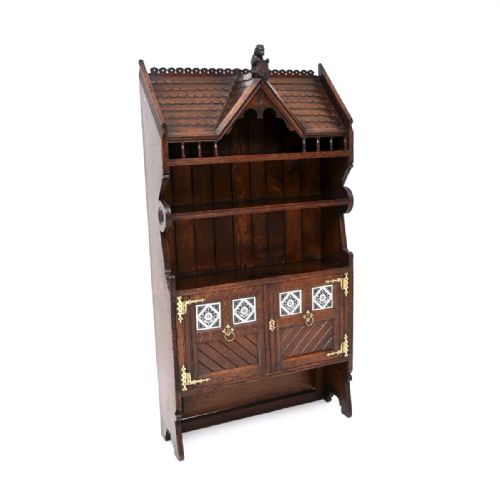

Antique Furniture Shelf
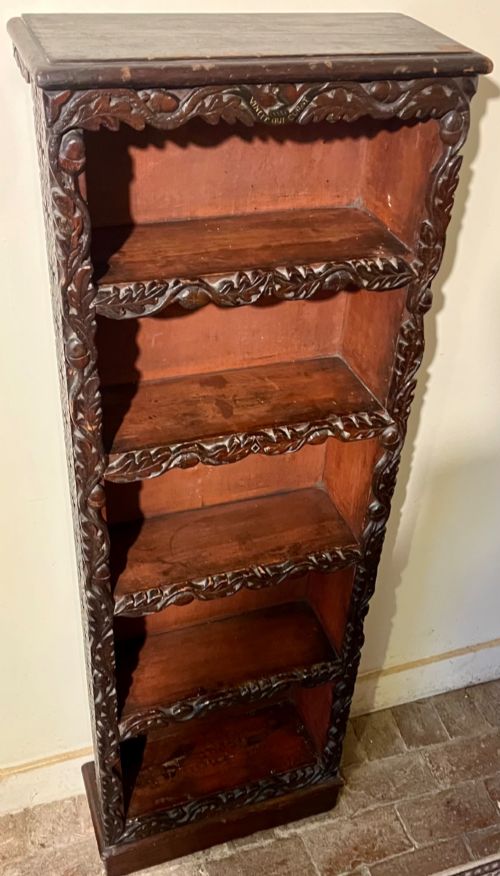
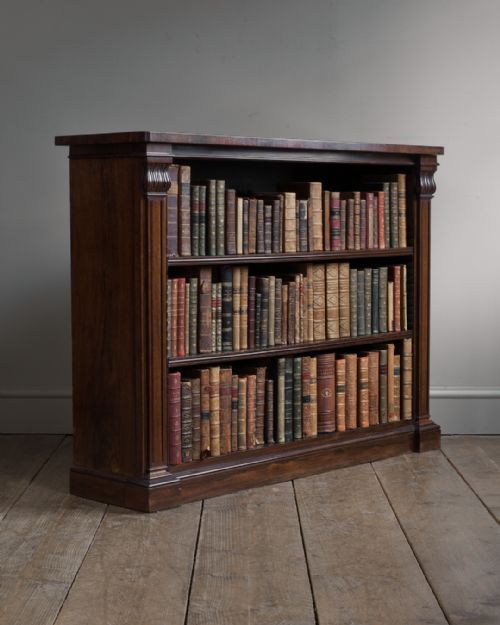
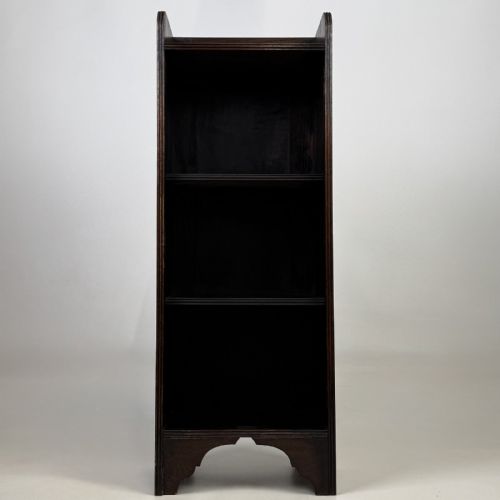
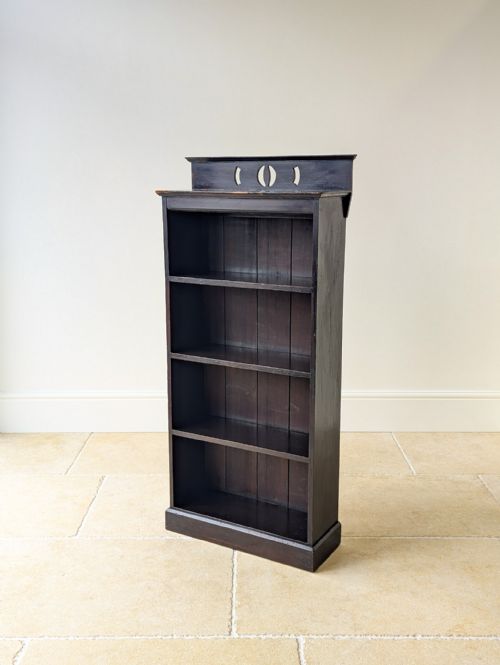
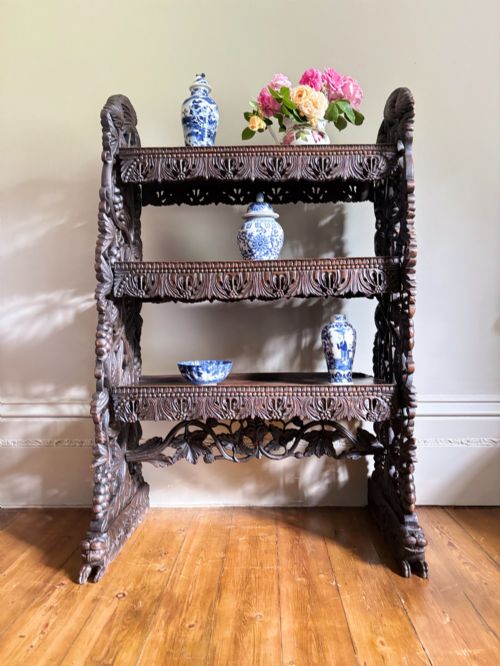
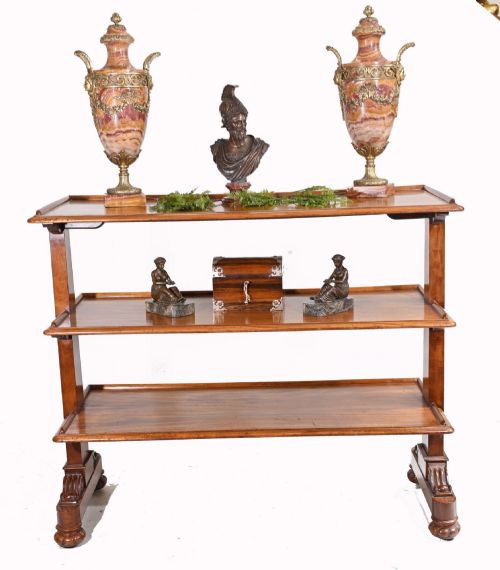
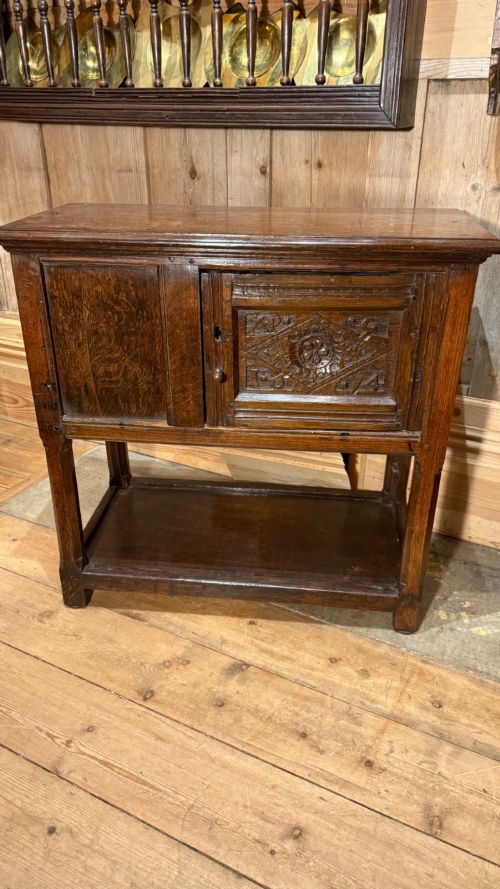
When you search for an antique furniture shelf, you find tiered whatnots, wall-mounted racks and open bookcases built to display precious objects.
Antique Furniture Shelf
An antique furniture shelf encompasses tiered whatnots, wall hanging racks, open bookcases and display cabinets designed to hold books, ceramics and decorative items. These pieces emerge predominantly from the nineteenth century, spanning the Regency, Victorian and Edwardian periods.
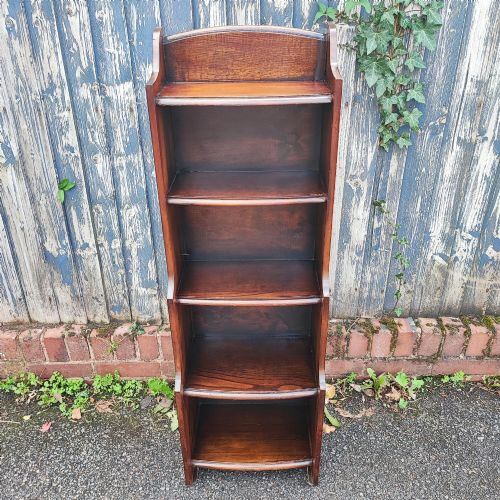
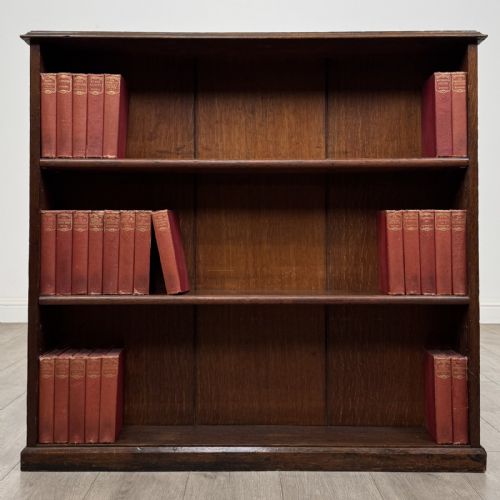
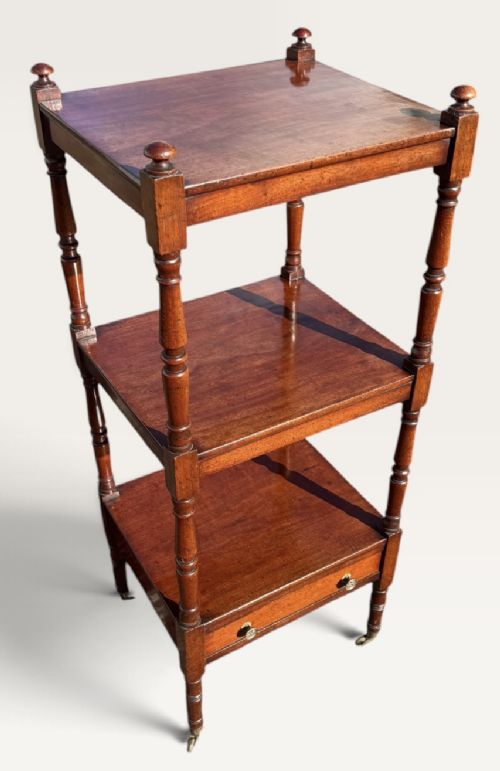
The most common formats on this page are mahogany and burr walnut whatnots alongside oak open bookcases. You will also encounter specialised forms like plant stands with lower shelves, corner whatnots and bamboo wall shelf mirrors.
How they were made
Cabinetmakers constructed these shelves using solid hardwoods and decorativeveneers, predominantly mahogany, oak, walnut and burr walnut, occasionally incorporating exotic woods like rosewood and satinwood. Brass details, glass panels and marble tops appear on select pieces to enhance utility and visual weight.
Joinery techniques ranged from straightforward wall-mounted shelving racks to complex multi-tiered freestanding whatnots featuring turned columns and barley twist supports. Carved ornamentation, raised galleries and inlaid details reflect the stylistic shifts from Regency precision to Aesthetic Movement and Arts and Crafts simplicity.
Antique Furniture Shelf Retail Price Guide 2026
Typical asking prices for furniture shelf among the pieces listed under this phrase on Sellingantiques today, from the lower quarter to the upper quarter. They describe what is for sale here now, not the wider market.
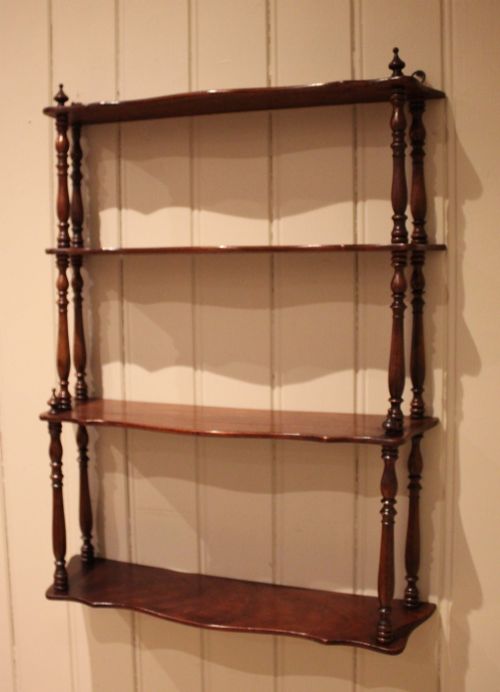
Several small wall-hanging shelf racks on this page spent over a century holding nothing more scandalous than household bibles and pot pourri.
What varies in quality
Quality rests in the selection of timber figures, such as highly figured burr walnut or dense mahogany, and the crispness of turned supports and carved details. Pieces designated for exhibition or bearing attribution to known makers display superior joinery and refined proportions.
Simpler vernacular examples, such as pine farmhouse potboard dresser bases or small wall hanging racks, rely on straightforward utility rather than decorative refinement. The harmony of the tiered tiers and the integrity of the original surfaces ultimately distinguish the finest examples.
Gillows·John Moyr Smith·Bowman Brothers·Trevor Page and Co
The Antique Furniture Shelf Glossary
- Whatnot
- A freestanding piece of furniture consisting of several open shelves placed one above the other, used for displaying ornaments or books. Originating in the eighteenth century, they became popular in Victorian drawing rooms.
- Gallery
- A raised ornamental border surrounding the top shelf or surface of a piece to prevent items from falling off. These galleries often feature pierced brass or turned wooden spindles.
- Bookcase
- An article of furniture with horizontal shelves for holding books, which may be open, glazed or enclosed behind cabinet doors. Many examples incorporate adjustable shelving for versatility.
- Corner Stand
- A specialised storage unit designed to fit neatly into the corner of a room, maximising floor space. They frequently feature curved shelves or multi-tiered display surfaces.
- Shodona
- A Japanese-inspired display cabinet or shelving unit featuring asymmetrical compartments and decorative joinery. They became fashionable during the late nineteenth century alongside Japonisme and Aesthetic Movement interiors.
Antique Furniture Shelf: Frequently Asked Questions
How were whatnots used in period homes?
Victorian households utilised whatnots in drawing rooms and parlours to display collections of ceramics, silver and books. Their tiered open shelves kept decorative objects visible from multiple angles.
Over time, these versatile stands moved into bedrooms and studies as general display furniture and repository spaces for daily reading materials.
What is the difference between a whatnot and a bookcase?
A whatnot is primarily an open, multi-tiered display stand featuring several stacked platforms supported by columns or spindles, designed for ornaments and small volumes. Open bookcases focus specifically on book storage with deeper, wider horizontal shelves.
Bookcases often form part of larger architectural cabinetry, whereas whatnots function as lighter, freestanding decorative items.
How do I care for antique mahogany and walnut shelves?
Maintain these wooden surfaces by keeping them away from direct sunlight and steady heat sources to prevent timber cracking and veneer lifting. Apply natural beeswax periodically to nourish the grain and preserve the finish.
Avoid using modern silicone sprays or excessive moisture when cleaning carved details and turned supports.
How can I tell a Victorian whatnot from an Edwardian one?
Victorian pieces typically display darker mahogany or rich burr walnut timbers, often with heavy carved ornamentation, barley twist columns or ornate raised galleries. Edwardian examples tend to exhibit lighter mahogany, simpler satinwood inlay and more restrained proportions.
Arts and Crafts pieces from the later period emphasise exposed oak grain and honest joinery over decorative veneers.